JD Vance targets Infosys, TCS, Wipro in H-1B fraud crackdown; 6 firms suspended
Synopsis
The Trump administration has suspended Infosys, TCS, Wipro, HCL, Cognizant, and Capgemini from the US permanent labour certification programme — and VP JD Vance personally accused these firms of wage exploitation, citing a $48,000 pay gap for outsourced foreign workers. This is the sharpest US escalation against India's IT outsourcing model in years, with legislative H-1B reform also on the table.
Key Takeaways
JD Vance on 8 October 2026 accused foreign IT outsourcing companies of central involvement in alleged H-1B visa fraud .
The Trump administration suspended six firms — Infosys , Tata , Wipro , HCL , Cognizant , and Capgemini — from the permanent labour certification programme.
Vance alleged H-1B workers placed by foreign outsourcing firms earn $48,000 less annually than comparable American citizens.
Labour Secretary Keith Sonderling cited over 230,000 H-1B approvals and 100,000+ permanent labour certifications since 2009 across the broader group of companies under scrutiny.
The suspension halts both new and pending permanent labour certification applications for the six named firms.
Vance called on Congress to legislate H-1B reforms, arguing current enforcement powers are inadequate.
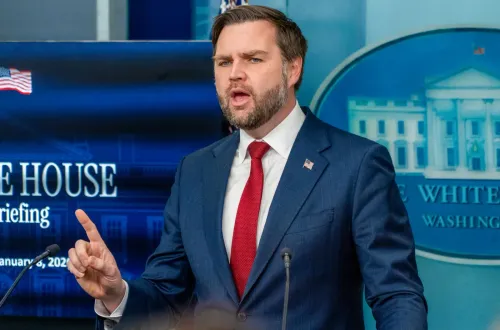
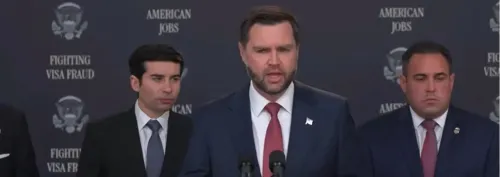
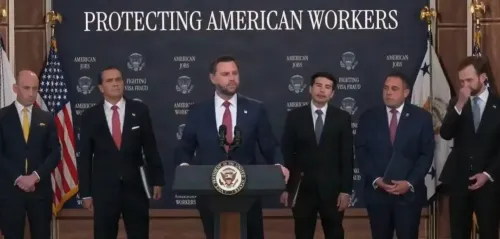
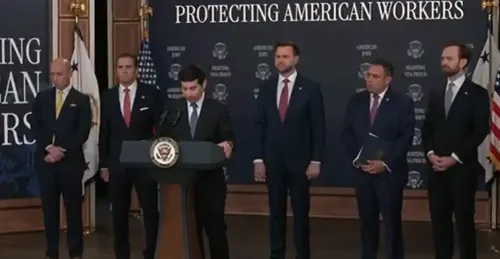
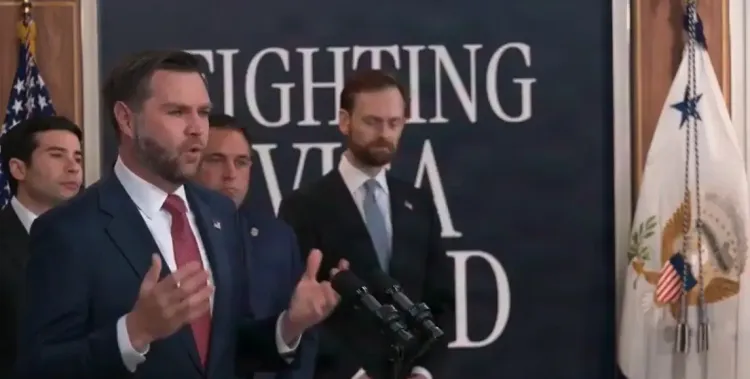
US Vice President JD Vance on Thursday, 8 October 2026, accused foreign IT outsourcing companies of playing a central role in alleged H-1B visa fraud, claiming workers hired through such firms were paid significantly less than American citizens in comparable roles. The remarks came as the Trump administration suspended six major outsourcing companies — including India's Infosys, Tata, Wipro, and HCL — from the permanent labour certification programme.
The Suspension and Who Is Affected
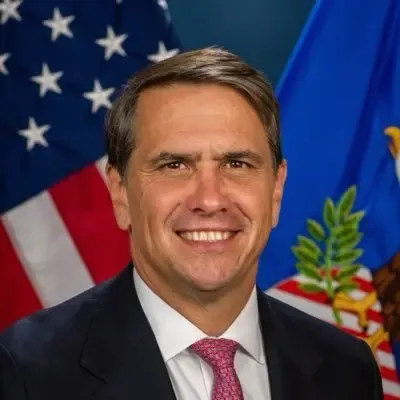
France-headquartered Capgemini and US-based Cognizant were also included in the enforcement action. The suspension halts the acceptance of new permanent labour certification applications involving the six companies, as well as the processing of applications already pending. Labour Secretary Keith Sonderling announced the move following investigations by the Department of Labour's Inspector General.
Sonderling noted that the companies covered under the broader enforcement action — including Microsoft and Adobe — had collectively received more than 230,000 H-1B visa approvals and over 100,000 permanent labour certifications since 2009. He presented those figures as evidence of the scale of reliance on foreign workers but did not provide a company-wise breakdown.
What Vance Alleged
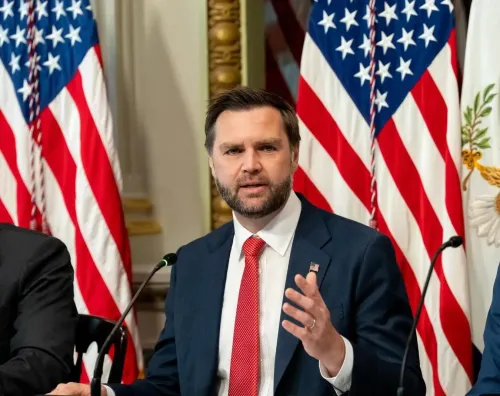
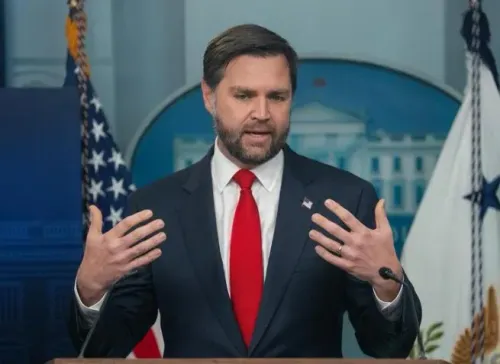
'These firms are as complicit or maybe more so complicit in the visa fraud than any American corporation,' Vance said. He alleged that H-1B employees earned roughly $20,000 less annually than American citizens in similar positions, and that the gap was wider still for workers sourced through foreign outsourcing firms.
'If you were brought in by one of these foreign outsourcing firms, you're making $48,000 less than an American citizen in a similar position,' Vance said. He further argued that outsourcing companies exploited the structural dependence of foreign workers on their sponsoring employers — workers who risk losing their immigration status if they lose their jobs — to keep labour costs artificially low.
Policy Push: H-1B Reform and Higher Application Costs
Vance urged Congress to legislate reforms to the H-1B programme, arguing that existing enforcement powers were insufficient to address all alleged abuses. He said the administration would continue using regulatory and investigative tools while simultaneously seeking legislative changes. The Vice President also defended moves to raise H-1B application fees, contending that employers genuinely seeking exceptional foreign talent should be prepared to pay more.
What This Means for India's IT Sector
The action carries particular significance for India's technology services industry, whose business model is built substantially on deploying skilled personnel and delivering technical services to American corporate clients. Infosys, TCS, Wipro, and HCL together represent a significant share of India's IT export revenues, and H-1B visas remain a critical enabler of onsite client delivery in the United States. This is not the first time the H-1B programme has been contested — successive US administrations have scrutinised outsourcing practices — but the combination of named suspensions, wage-gap allegations, and a senior official's public remarks marks a sharper escalation than previous crackdowns.
The H-1B is a temporary employment visa for specialised occupations. Permanent labour certification is a separate employer-sponsored process that can support applications for employment-based permanent residence. How the suspended firms respond — and whether legal challenges follow — will shape the next phase of this dispute.
Point of View
TCS, Wipro, and HCL is less a legal verdict than a political signal — and a potent one. By naming Indian IT giants alongside wage-gap figures, Vance is constructing a populist narrative that conflates the H-1B programme's structural flaws with the outsourcing model itself. The $48,000 wage-gap claim, notably unverified by an independent source in the available record, will carry outsized weight in US political discourse regardless. India's IT sector has weathered H-1B turbulence before, but a formal programme suspension combined with threatened legislative reform represents a qualitatively different threat — one that strikes at the onsite delivery model that underpins billions in export revenue. New Delhi's response, or the absence of one, will be closely watched.
NationPress
8 Oct 2026
Frequently Asked Questions
Which Indian IT companies were suspended by the US government?
Infosys, Tata, Wipro, and HCL were among the six companies suspended from the US permanent labour certification programme on 8 October 2026. Cognizant and Capgemini were also included in the action.
What is the permanent labour certification programme and why does the suspension matter?
Permanent labour certification is a US employer-sponsored process that supports applications for employment-based permanent residence (green cards). The suspension means the six named firms cannot submit new applications or have pending ones processed, directly affecting their ability to sponsor foreign workers for long-term US residency.
What wage-gap claims did JD Vance make against outsourcing firms?
Vance alleged that H-1B employees generally earn around $20,000 less annually than American citizens in comparable roles, and that the gap rises to $48,000 for workers brought in specifically through foreign outsourcing firms. He attributed this to employers exploiting foreign workers' dependence on their visa sponsors.
What broader enforcement action was announced alongside the suspensions?
Labour Secretary Keith Sonderling announced the suspensions following Department of Labour Inspector General investigations. He noted that the broader group of companies under scrutiny — including Microsoft and Adobe — had collectively received more than 230,000 H-1B approvals and over 100,000 permanent labour certifications since 2009, though no company-wise breakdown was provided.
What legislative changes is the Trump administration seeking on H-1B visas?
Vice President Vance urged Congress to reform the H-1B programme, arguing existing enforcement powers are insufficient to address all alleged abuses. The administration also defended raising H-1B application fees, saying companies seeking genuinely exceptional foreign talent should pay more, while vowing to continue regulatory and investigative action in the interim.