Vietnam-India FM meeting: Shared stakes in peace, autonomy, regional order
Synopsis
Vietnamese FM Le Hoai Trung's New Delhi meeting with EAM Jaishankar was more than a courtesy call — it was a signal that India and Vietnam are deepening a strategic alignment rooted in shared concerns about regional stability and great-power competition, with both nations citing development milestones and BRICS momentum as anchors for the partnership.
Key Takeaways
Vietnamese Foreign Minister Le Hoai Trung met EAM S.
Jaishankar in New Delhi on 14 September 2026 .
Trung highlighted shared India-Vietnam interests in peace, stability, strategic autonomy , and an inclusive regional architecture.
Both countries are at critical development stages — Vietnam's 2045 Vision and India's Viksit Bharat by 2047 .
Trung praised India's role in the 18th BRICS Summit , calling the declaration 'very important and pertinent.' Prime Ministers Le Minh Hung and Narendra Modi also held a bilateral on BRICS sidelines, described as 'very substantive and very friendly.' Both sides reaffirmed the India-Vietnam Enhanced Comprehensive Strategic Partnership and the importance of the Joint Commission Meeting framework.
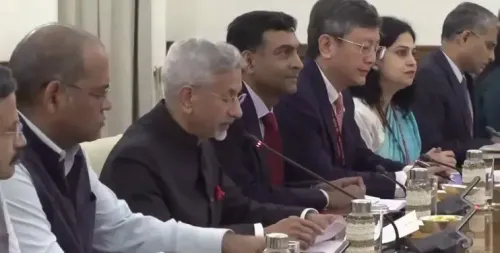
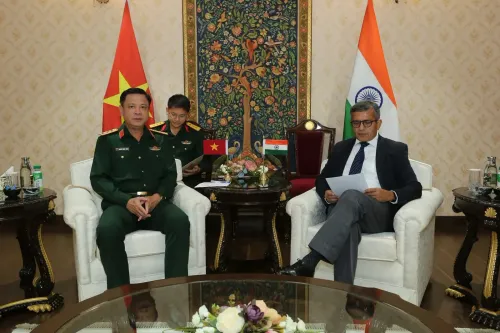
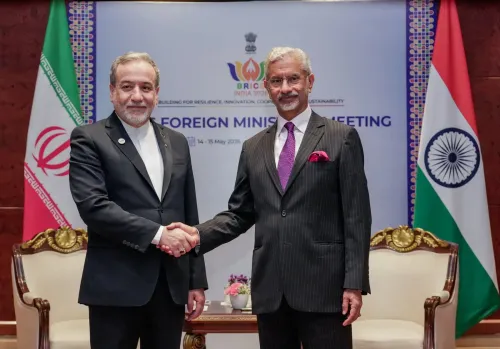
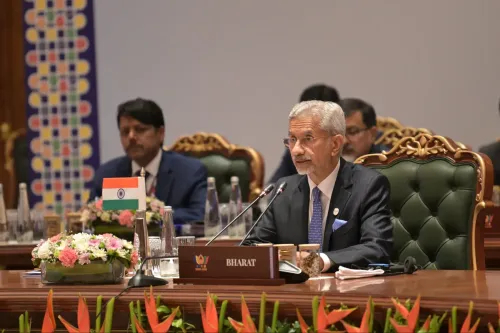
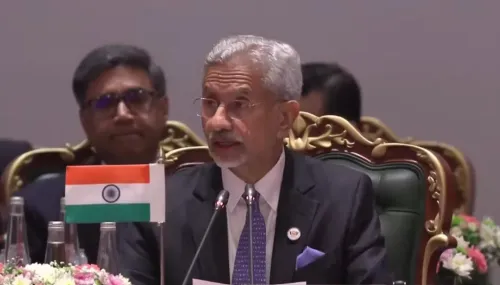
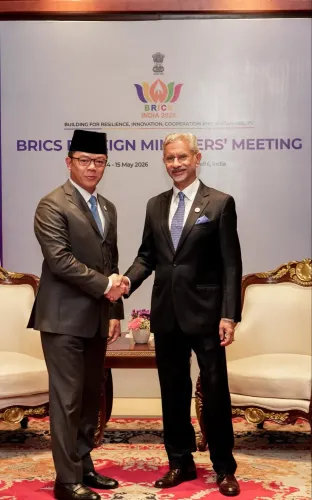
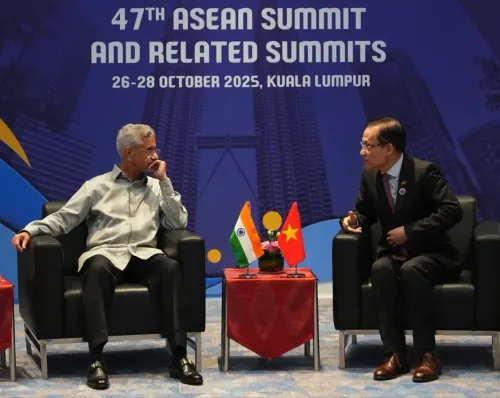
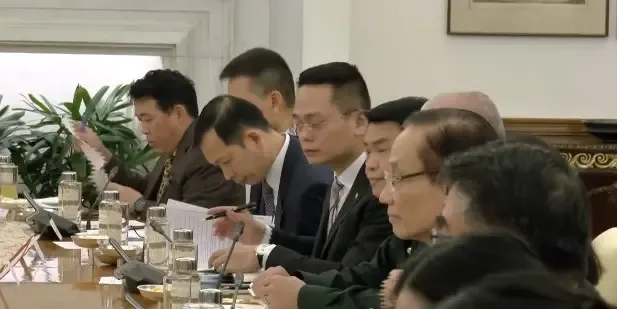
Vietnamese Foreign Minister Le Hoai Trung on Monday, 14 September 2026, met External Affairs Minister S. Jaishankar in New Delhi, underscoring the two countries' converging interests in maintaining peace, stability, and strategic autonomy amid what he described as an increasingly complex global environment. The meeting came days after a bilateral leaders' summit on the sidelines of the 18th BRICS Summit in New Delhi.
Shared Strategic Interests
Addressing Jaishankar at their bilateral meeting, Trung said: 'As we are all aware, the international environment today is becoming more and more complex, and against this backdrop, Vietnam and India share strong interests in the maintenance of peace, stability, strategic autonomy, and an open and inclusive regional architecture.'
He added that the two nations also stand at 'crucial stages' of their respective development journeys — Vietnam guided by its 2045 Vision and India by the Viksit Bharat by 2047 roadmap — making bilateral cooperation mutually reinforcing and strategically significant beyond just the two countries.
BRICS Summit Outcome and India's Role
Trung congratulated India on hosting a successful 18th BRICS Summit, singling out the summit declaration as 'very important, very pertinent at this juncture of international development.' He noted that the declaration reaffirmed key principles of international law and set out orientations for peace, security, and development, crediting India's leadership for the substantive outcome and the forward-looking initiatives tabled at the summit.
Modi-Hung Bilateral on BRICS Sidelines
Referencing the meeting between Vietnamese Prime Minister Le Minh Hung and Prime Minister Narendra Modi — held in New Delhi on the sidelines of the BRICS Summit — Trung described the discussions as 'very substantive and very friendly,' saying they helped advance the outcomes already agreed upon by the two leaders. This follows the elevation of the India-Vietnam relationship to a Comprehensive Strategic Partnership, a framework that both sides have been working to deepen through high-level exchanges.
People-to-People and Institutional Ties
Trung extended warm wishes on the occasion of Ganesh Chaturthi, expressing confidence that the meeting would further strengthen the India-Vietnam Enhanced Comprehensive Strategic Partnership. He also stressed the importance of regular exchanges at all levels, particularly between the two foreign ministries and within the India-Vietnam Joint Commission Meeting framework — a key institutional channel for bilateral coordination.
What the Engagement Signals
This comes amid a broader Indo-Pacific realignment, with both India and Vietnam navigating assertive Chinese maritime behaviour in their respective neighbourhoods. Notably, the timing — immediately after a landmark BRICS Summit in New Delhi — gives the engagement added geopolitical weight. Both countries have historically favoured strategic autonomy over formal alliance structures, making their bilateral convergence a template of sorts for middle-power diplomacy in a multipolar world. The next steps will likely involve follow-through on the Joint Commission framework and consolidation of outcomes from the Modi-Hung summit meeting.
Point of View
Yet both face Chinese pressure in their immediate neighbourhoods. Their convergence on 'open and inclusive regional architecture' is code for rules-based order without naming Beijing, a framing that has become standard in Indo-Pacific diplomacy but carries real weight when two non-aligned, development-focused nations say it together. The BRICS backdrop matters too: India hosting the summit and Vietnam applauding the outcome signals that the grouping's expansion is not necessarily a China-dominated story. The real test is whether the Joint Commission framework translates these strategic signals into concrete economic and security deliverables.
NationPress
14 Sept 2026
Frequently Asked Questions
What was discussed in the Vietnam-India foreign ministers' meeting on 14 September 2026?
Vietnamese Foreign Minister Le Hoai Trung met EAM S. Jaishankar in New Delhi on 14 September 2026 to discuss shared interests in peace, stability, and strategic autonomy. The two sides also reviewed outcomes from the recent BRICS Summit and a bilateral meeting between their respective prime ministers.
What is the India-Vietnam Enhanced Comprehensive Strategic Partnership?
It is the highest tier of the bilateral relationship between India and Vietnam, covering political, economic, defence, and people-to-people ties. Both sides have committed to deepening it through regular ministerial exchanges, joint commission meetings, and coordinated positions on regional issues.
Why did Vietnam's FM praise India's role at the BRICS Summit?
Le Hoai Trung credited India's leadership for what he called a 'very substantive' summit declaration that reaffirmed key international law principles and set orientations for peace, security, and development. He said India's efforts were central to the summit's successful outcome.
How does India-Vietnam alignment reflect broader Indo-Pacific trends?
Both India and Vietnam practise strategic autonomy and favour a rules-based, inclusive regional order — positions that align without formal alliance commitments. This makes their bilateral partnership a notable example of middle-power diplomacy amid growing great-power competition in the Indo-Pacific.
What are Vietnam's 2045 Vision and India's Viksit Bharat goals?
Vietnam's 2045 Vision aims to make the country a high-income developed nation by its centenary of independence in 2045. India's Viksit Bharat targets developed-country status by 2047, its centenary of independence. Both leaders cited these parallel timelines as a basis for deepening bilateral cooperation.