Vivek Ramaswamy Vows to Fix Ohio's Housing Crunch in 2027

Synopsis
Entrepreneur Vivek Ramaswamy, former DOGE co-lead and Strive Asset Management chairman, has pledged to fix Ohio's housing affordability crisis for young residents in 2027, signalling a concrete policy push without yet revealing specifics.
Key Takeaways
Vivek Ramaswamy posted on August 21, 2026 that he will address Ohio 's home affordability crisis 'next year,' pointing to a 2027 policy announcement.
Ohio 's housing squeeze has intensified since 2020 , driven by supply constraints, rising construction costs, and elevated interest rates.
Ramaswamy's government-efficiency background suggests any proposal will lean toward deregulatory, supply-side solutions such as zoning reform and permitting acceleration.
No specific details of the plan have been disclosed; the post functions as a public commitment and timeline signal.
Housing affordability has become one of the sharpest generational fault lines in US politics, with young buyers under 35 most acutely affected.
Home ownership has slipped out of reach for a generation of young Ohioans — and entrepreneur Vivek Ramaswamy says he intends to change that. On Friday, August 21, 2026, the Strive Asset Management founder and former DOGE co-lead posted on X that he plans to tackle Ohio's housing affordability crisis 'next year,' signalling a concrete policy push is in the works for 2027.
Why Ohio's Young Buyers Are Being Priced Out
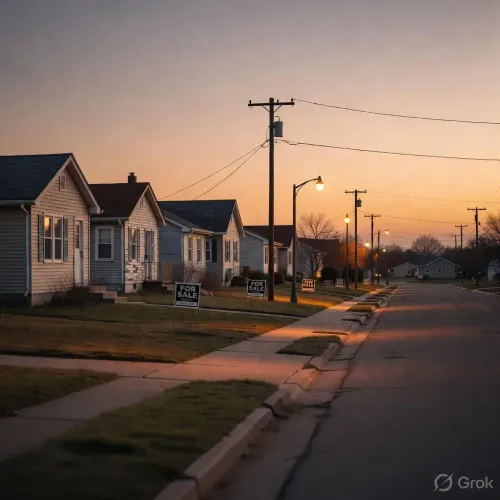
Ohio, like much of the Midwest, has not been immune to the national housing squeeze that has tightened since 2020. A combination of constrained supply, elevated construction costs, and sustained interest rate pressure has pushed starter-home prices well beyond what first-time buyers — particularly those under 35 — can absorb. The state's relatively modest incomes compound the problem: a gap that once looked manageable has widened into a structural barrier.
Republican-led states have generally approached this crisis through the supply side: loosening zoning rules, accelerating permitting timelines, and creating market incentives rather than expanding federal subsidy programmes. Ramaswamy's finance background and his tenure at the forefront of the federal government-efficiency drive suggest his proposed fix is likely to sit squarely in that deregulatory tradition.
Ramaswamy's Government-Efficiency Lens on a Local Problem
Ramaswamy rose to national prominence as a 2024 Republican presidential candidate before co-leading the advisory effort behind the US Department of Government Efficiency (DOGE). His signature argument throughout has been that regulatory friction — not lack of spending — is the root cause of most affordability failures. Applied to housing, that worldview points toward cutting the bureaucratic layers that slow new construction from permit application to move-in day.
The post offers no specifics yet. But by publicly committing to a fix 'next year,' Ramaswamy is effectively setting a clock — and inviting Ohio residents, legislators, and housing advocates to hold him to it.
What Ohio's Housing Debate Looks Like Heading Into 2027
Any credible proposal will have to reckon with the full stack of barriers young buyers face: land-use restrictions that limit density, permitting backlogs in fast-growing counties, and financing conditions that still reflect a high-rate environment. Observers will be watching for whether Ramaswamy's plan targets the supply pipeline, the demand side through buyer incentives, or — more ambitiously — both at once.
The announcement, brief as it is, lands at a moment when housing affordability has become one of the sharpest generational fault lines in American politics, cutting across traditional party lines and commanding attention from voters who rarely agree on anything else.
The details arrive next year. The pressure starts now.
Point of View
He is making a rare, testable commitment in a policy space littered with vague intentions. For a figure whose brand is government efficiency, the credibility of the 2027 plan will hinge on whether it produces measurable supply gains or remains rhetorical. The move also signals that Ramaswamy sees Ohio governance — not federal politics — as his near-term arena of influence.
NationPress
21 Aug 2026
Frequently Asked Questions
What is Vivek Ramaswamy's plan to fix Ohio housing?
Ramaswamy has not yet released details. He posted on August 21, 2026 that he intends to address Ohio 's home affordability crisis for young residents in 2027 , with specifics expected to follow.
Why is housing unaffordable for young people in Ohio?
Ohio faces a combination of constrained housing supply, higher construction costs since 2020 , and elevated mortgage interest rates that have pushed starter-home prices beyond the reach of most first-time buyers.
What is Vivek Ramaswamy's current role?
Ramaswamy is the founder and executive chairman of Strive Asset Management . He previously co-led the advisory effort behind the US Department of Government Efficiency (DOGE) and was a 2024 Republican presidential candidate .
How have Republican states typically addressed housing affordability?
Republican-led states have generally focused on supply-side measures — zoning liberalisation, faster permitting, and market incentives — rather than expanding federal housing subsidies.
When will Ramaswamy reveal his Ohio housing proposal?
Based on his post, a specific proposal is expected sometime in 2027 . No date or legislative vehicle has been announced yet.