White House: $90 Medicare Checks for 20 Million US Seniors
Synopsis
The White House announced $90 monthly relief checks for 20 million US Medicare enrollees to help cover premiums, linking the payout to a dedicated federal fund and Trump's Most Favored Nations drug-pricing deals aimed at lowering healthcare costs for American seniors.
Key Takeaways
20 million American seniors will receive $90 monthly checks to offset Medicare premium costs.
The White House links the payments to a federal fund and a 'Most Favored Nations' drug-pricing framework.
The MFN model aims to cap US drug prices at the lowest rate paid by comparable wealthy nations.
Medicare covers approximately 65 million Americans aged 65 and older or with qualifying disabilities.
The announcement carries potential implications for Indian generic pharmaceutical exporters who supply the US market.
Twenty million American seniors are set to receive $90 monthly checks to help cover Medicare premiums — a direct cash-relief measure the White House announced on Monday, October 5, 2026, tying the payout to a health-spending fund and a broader 'Most Favored Nations' drug-pricing framework.
The $90 Check and Who Gets It
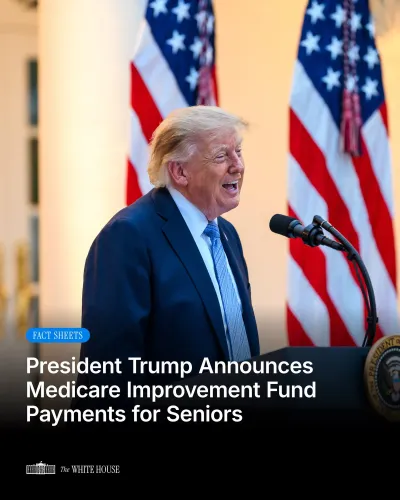
The White House post, quoting President Trump, states: 'We are finally using this Fund, along with my Most Favored Nations Deals, to substantially LOWER costs for our Seniors.' The announcement centres on a financial mechanism — described as 'this Fund' — being deployed to send $90 payments to an estimated 20 million Medicare-enrolled seniors. The cheques are intended to offset monthly premium costs, which have been a persistent pressure point for fixed-income retirees across the United States.
Most Favored Nations Drug Pricing, Explained
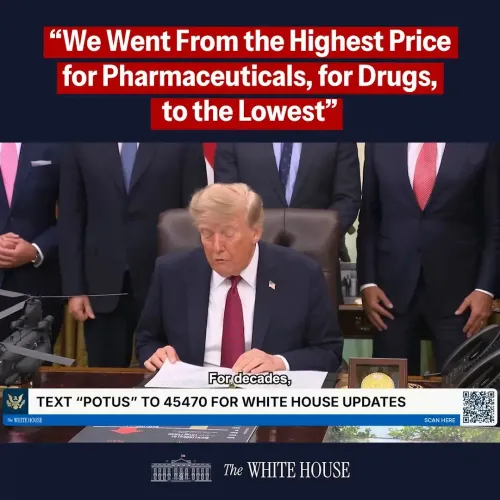
The 'Most Favored Nations' (MFN) framework is a drug-pricing model under which the US government would pay no more for medicines than the lowest price paid by peer nations — countries such as the United Kingdom, Canada, or Germany. The concept has been debated inside Washington policy circles for years, with pharmaceutical industry groups historically opposing it as a threat to research investment. By linking the $90 relief cheques to MFN deals, the White House is presenting both measures as parts of a single cost-reduction strategy aimed at elderly Americans on Medicare.
Scale of the Relief and the Medicare Premium Burden
Medicare, the US federal health insurance programme for people aged 65 and older and certain younger people with disabilities, covers roughly 65 million Americans. Premium costs — particularly for Medicare Part B, which covers outpatient care and doctors' visits — have climbed steadily, squeezing beneficiaries who rely on Social Security as their primary income. A $90 monthly offset for 20 million of those enrollees would represent a meaningful reduction in out-of-pocket exposure, though the precise eligibility criteria and the fund's legal or legislative basis have not been detailed in the post itself.
For India-based observers, the announcement is a signal of how US domestic healthcare politics is evolving ahead of the next election cycle — and it carries trade implications, given that India is one of the world's largest generic-drug exporters and has historically been sensitive to any US move that reshapes pharmaceutical pricing norms globally.
If the MFN framework expands and compels drug makers to reprice products tied to international benchmarks, Indian generic manufacturers — who supply a significant share of America's drug market — could face indirect pricing pressure or, alternatively, new opportunities depending on how deals are structured.
Point of View
Any durable MFN architecture in Washington is worth watching closely: if US regulators enforce price ceilings benchmarked to international markets, Indian generics exporters — who command a large share of FDA-approved drug supply — will need to model how new price floors or ceilings reshape their US margins and contract structures.
NationPress
5 Oct 2026
Frequently Asked Questions
What is the $90 check for US seniors announced by the White House?
The White House announced that 20 million Medicare-enrolled seniors will receive $90 monthly payments to help cover their Medicare premium costs, funded through a federal health-spending fund linked to Most Favored Nations drug-pricing deals.
What is the Most Favored Nations drug pricing deal in the US?
The Most Favored Nations (MFN) framework is a policy under which the US government would pay no more for prescription drugs than the lowest price paid by comparable wealthy nations, aiming to reduce domestic drug costs.
How many people does Medicare cover in the United States?
Medicare covers approximately 65 million Americans, primarily those aged 65 and older, as well as younger individuals with certain qualifying disabilities.
How does the US Medicare senior relief affect India?
India is a major supplier of generic drugs to the US market. If the MFN pricing framework expands, it could reshape pharmaceutical pricing norms in ways that affect Indian drug exporters' margins and contract terms in the United States.
When did the White House announce the $90 Medicare checks?
The White House posted the announcement on Monday, October 5, 2026, on its official X account.