White House Backs Auto Workers in America First Push
Synopsis
The White House on July 28, 2026, posted a strong declaration backing American auto workers under an 'America First' banner. The move echoes years of U.S. trade policy — from Section 232 tariffs to USMCA rules — aimed at protecting domestic manufacturing. Policy follow-through on tariffs or EV incentives is now being closely watched.
Key Takeaways
The White House posted a declaration of support for American auto workers on July 28, 2026 , invoking an 'America First' manufacturing agenda.
The United Auto Workers (UAW) represents hundreds of thousands of workers at GM , Ford , and Stellantis , making it a key stakeholder in any related policy action.
The Trump administration set a precedent in 2018 by imposing Section 232 steel and aluminium tariffs to protect domestic auto manufacturing.
The USMCA (2020) introduced stricter rules-of-origin requirements to increase North American vehicle content and support U.S. assembly jobs.
Indian auto-component exporters supplying U.S. automakers could be affected if new tariffs or domestic content mandates follow this political signal.
Analysts are watching for concrete policy announcements on tariffs, electric vehicle credits, or labour protections tied to this messaging.
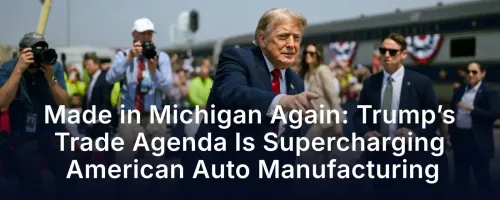
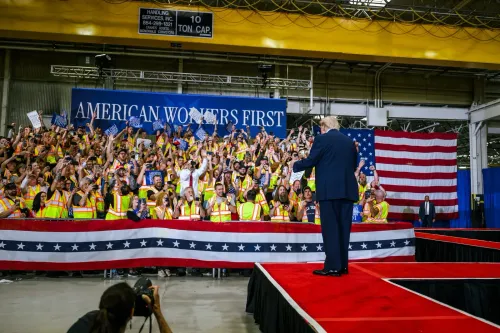
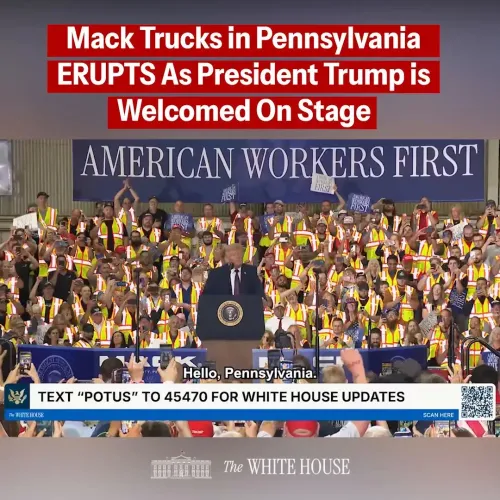
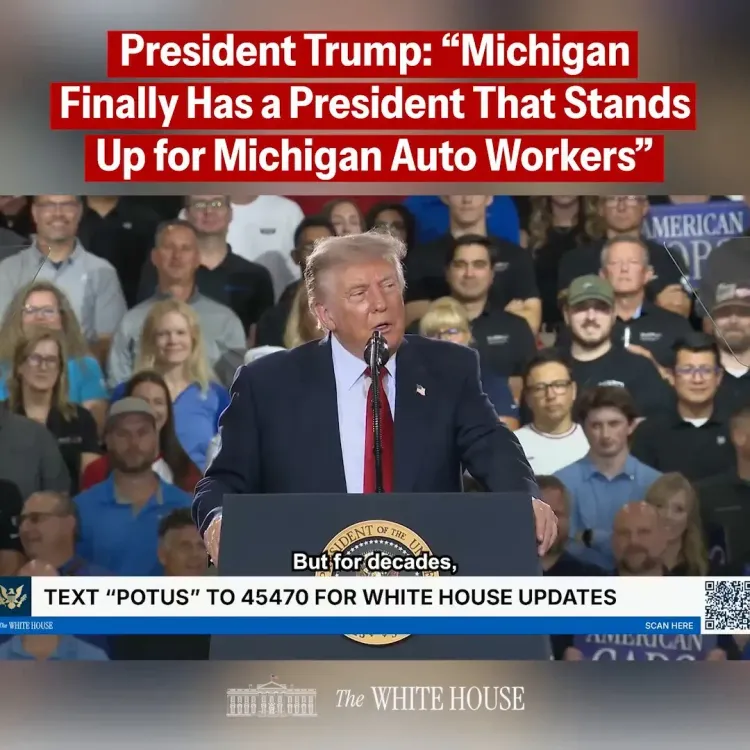
The White House on Monday, July 28, 2026, posted a pointed declaration of support for American automobile workers, framing the message around an 'America First' manufacturing agenda. The post, shared on the official White House X account, read: 'STANDING UP FOR AUTO WORKERS AND PUTTING AMERICA FIRST!'
Context
The message arrives amid an ongoing national conversation about the future of United States auto manufacturing, trade policy, and the transition to electric vehicles. The United Auto Workers (UAW), one of America's most powerful labour unions, represents hundreds of thousands of workers at major automakers including General Motors, Ford, and Stellantis. These workers have historically been at the centre of debates over trade, wages, and domestic content requirements.
The White House's rhetoric echoes a long-standing political tradition of rallying around industrial workers in states like Michigan, Ohio, and Indiana — regions where auto employment carries significant economic and electoral weight.
Policy Backdrop
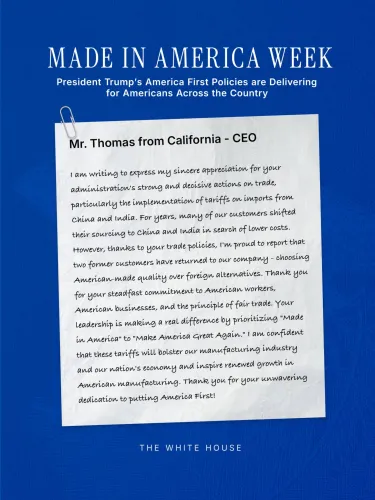
The 'America First' framing has deep roots in recent U.S. trade policy. The Trump administration imposed steel and aluminium tariffs in 2018 under Section 232 of the Trade Expansion Act, explicitly citing the protection of domestic auto manufacturing as a national security and economic priority. Those measures set a precedent for using trade tools to shield the sector from foreign competition.
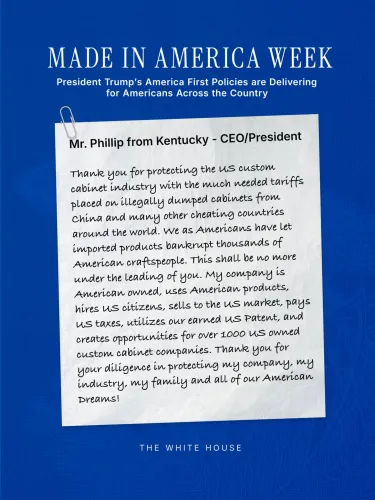
The United States-Mexico-Canada Agreement (USMCA), which replaced NAFTA in 2020, introduced stricter rules-of-origin requirements for vehicles — mandating that a higher share of a car's content be manufactured in North America to qualify for tariff-free treatment. This was designed to bring auto jobs back to U.S. assembly plants and reduce reliance on lower-cost production in Mexico.
More recently, debates over electric vehicle tax credits and foreign subsidies — particularly from China — have added fresh urgency to the question of who builds America's cars and where.
Stakeholders and Impact
For UAW members, White House support signals potential policy action on tariffs, domestic content rules, or labour protections that could affect wages and job security at assembly plants across the industrial Midwest. Domestic automakers stand to benefit from reduced import competition, though they also rely on global supply chains that could be disrupted by aggressive trade measures.
Indian auto-component exporters and other international suppliers to the U.S. market are watching such signals closely. Any new tariff actions or tightened domestic content rules could affect supply chains stretching from Pune to Chennai, where several manufacturers supply parts to American automakers.
What's Next
Analysts will watch for concrete policy follow-through — whether in the form of new tariff actions, revisions to electric vehicle incentives, or executive orders tied to domestic manufacturing. Labour contract cycles at major automakers also represent a near-term flashpoint where White House positioning could translate into tangible outcomes for workers on the shop floor.
The broader pattern is clear: U.S. administrations that champion auto workers publicly tend to follow with trade or industrial measures targeting the sector. Whether this post marks the prelude to a specific announcement remains to be seen, but the political signal to manufacturing-belt voters is unmistakable.
Point of View
All-caps declaration is a classic piece of industrial-state political signalling — short on specifics but long on intent. Placed in the context of Section 232 tariffs, USMCA negotiations, and the ongoing EV transition, it suggests the administration is preparing to use trade or labour policy as a lever ahead of a politically sensitive period. For India, the subtext matters: any tightening of domestic content rules or new tariffs on auto imports could ripple through supply chains that connect Indian component manufacturers to American assembly lines. The message is as much a warning to trading partners as it is a promise to workers.
NationPress
28 Jul 2026
Frequently Asked Questions
Why is the White House supporting auto workers in 2026?
The White House posted on July 28, 2026, expressing support for American auto workers under an 'America First' manufacturing agenda, signalling potential policy action on trade, tariffs, or labour protections for the domestic auto sector.
What is the UAW and why does it matter?
The United Auto Workers (UAW) is one of the largest labour unions in the United States, representing workers at major automakers like GM, Ford, and Stellantis. It plays a central role in wage negotiations and advocacy on trade and manufacturing policy.
How does USMCA protect American auto jobs?
The USMCA, which replaced NAFTA in 2020, introduced stricter rules-of-origin requirements mandating that a higher share of a vehicle's content be produced in North America, designed to keep auto manufacturing jobs in the United States.
What were the Section 232 auto tariffs?
In 2018, the Trump administration imposed tariffs on steel and aluminium imports under Section 232 of the Trade Expansion Act, citing national security and the need to protect domestic auto manufacturing from foreign competition.
How could US auto worker policy affect India?
Indian auto-component manufacturers based in cities like Pune and Chennai supply parts to American automakers. Any new U.S. tariffs or tightened domestic content rules could reduce demand for these exports and disrupt established supply chains.