White House Uses France Unrest to Attack Democrats Ahead of Vote
Synopsis
The White House invoked footage of unrest in France in a direct electoral broadside against Democrats on October 28, 2026, asking voters: 'Is this the future you want?' The post signals an aggressive final stretch of election-cycle messaging from the executive branch.
Key Takeaways
The White House official account posted a video on October 28, 2026 using scenes of unrest in France to warn American voters.
The post directly labelled opposition figures 'radical Democrats' and framed their agenda as a path to 'chaos, looting, and destruction.' The messaging came from the Executive Office of the President — not a campaign account — amplifying its institutional weight.
The tactic of using foreign unrest to drive domestic electoral narratives is a recurring feature of US partisan politics, particularly around crime and public order.
No verified details about the specific France events referenced in the video could be independently confirmed from available research.
With an election on the horizon, the White House turned to footage of unrest in France on Wednesday, October 28, 2026, to land a blunt political punch — framing scenes of chaos abroad as a preview of what a Democratic-led America would look like.
The Message: France as a Mirror for America's Future
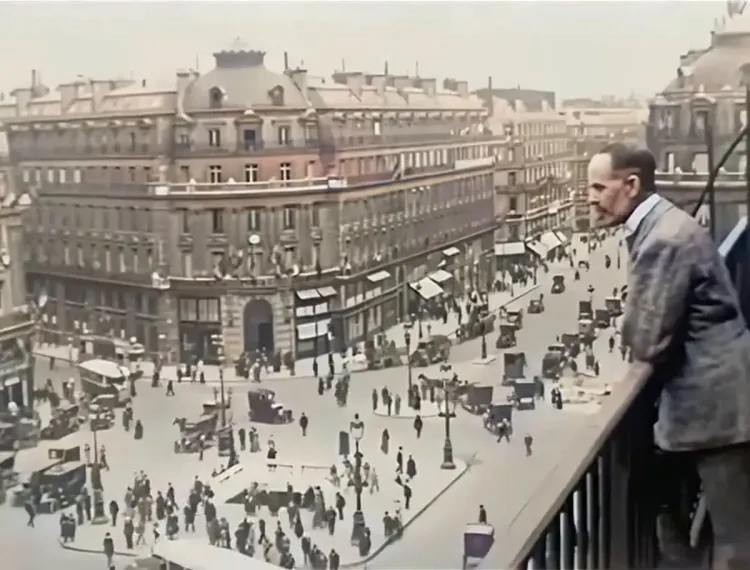
The official White House account posted a stark, direct challenge to voters: 'France before and after is a warning. The chaos, looting, and destruction we're watching is exactly the future radical Democrats are pushing for America. Is this the future you want?' The post was accompanied by a video, sharpening the visual stakes of the argument.
The rhetoric follows a well-worn playbook in US electoral politics — importing a foreign crisis to dramatise a domestic warning. By anchoring the message to imagery rather than a named policy, the White House kept the framing broad and emotionally immediate, aimed squarely at undecided voters who may not follow French domestic affairs but will register the word 'looting.'
A Classic Election-Cycle Tactic, Deployed from the Bully Pulpit
What makes this post notable is not just its content but its source: this is the official communications account of the Executive Office of the President of the United States, not a campaign handle. Using the institutional weight of the White House to deliver partisan electoral messaging amplifies both its reach and the controversy it invites.
Historically, US administrations across party lines have used high-profile international events — crime waves, economic crises, political violence — to reinforce domestic narratives. The difference here is the directness of the electoral ask, wrapped in a rhetorical question designed to force a binary choice on the voter.
Democrats and the 'Radical' Label
The post's use of the phrase 'radical Democrats' is deliberate and familiar. It is a framing the current administration has consistently deployed to distance mainstream Democratic positions from what it characterises as an extreme flank on public safety and urban order. Democrats have, in turn, pushed back against this characterisation as a caricature of their actual policy record on policing and crime.
As of publication, no formal response from Democratic leadership specifically addressing the France comparison had been issued — but the post's provocative framing virtually guarantees a reaction cycle in the days ahead.
With voters heading to the polls, the White House has drawn its line in the sand — and chosen a burning street in France to draw it on.
Point of View
A trend that has intensified across administrations. Using visceral imagery of disorder abroad to short-circuit a policy debate is a high-reward, high-risk move: it energises a base already primed on public-safety anxiety while handing opponents a clean line of attack about presidential decorum. The 'radical Democrats' framing, now a fixture of administration messaging, signals the White House is doubling down on culture-war positioning rather than pivoting to swing-voter persuasion in the election's final stretch. How Democratic leadership chooses to respond — on the France framing specifically — will reveal whether they believe engaging the comparison or ignoring it better serves their closing argument to voters.
NationPress
29 Oct 2026
Frequently Asked Questions
Why did the White House post about France before the US election?
The White House used footage of unrest in France as a rhetorical warning, arguing that policies associated with 'radical Democrats' would produce similar chaos in the United States. It is a recurring election-cycle tactic of invoking foreign disorder to sharpen domestic political contrasts.
What did the White House post say about Democrats?
The post stated that 'the chaos, looting, and destruction' seen in France is 'exactly the future radical Democrats are pushing for America,' ending with the question: 'Is this the future you want?'
Is using the official White House account for election messaging normal?
It is legally permissible but politically contentious. The official White House account represents the Executive Office of the President, and using it for explicit electoral messaging draws criticism about the line between institutional communication and partisan campaigning.
Have Democrats responded to the White House France comparison?
As of October 28, 2026, no formal Democratic response specifically addressing the France comparison had been publicly issued, though the inflammatory framing of the post makes a reaction highly likely in the near term.
Has the US government compared foreign unrest to domestic politics before?
Yes. Invoking foreign crises — crime surges, political violence, economic collapses — to reinforce domestic electoral narratives is a well-documented tactic used by administrations and candidates across the US political spectrum, particularly during high-stakes election cycles.