White House Claims Trump Ended Illegal Immigration Crisis on Day One
Synopsis
The White House declared on October 17, 2026 that President Trump fully delivered on his border security promise, asserting the Biden-era illegal immigration crisis ended on the first day of Trump's return to office.
Key Takeaways
The White House posted on October 17, 2026 claiming Trump ended illegal immigration from 'day one' of his second administration.
The statement attributed tens of millions of illegal entries to the four-year Biden presidency without citing specific figures.
Trump's first term established precedents including the Remain in Mexico policy, Title 42 expulsions, and border wall construction.
Biden's January 2021 executive orders reversed several Trump-era immigration restrictions, coinciding with a period of record border encounters.
The White House framed border security not as ongoing work but as a completed, delivered promise .
Independent verification of specific numerical claims about entries and post-January 2025 enforcement outcomes remains pending.
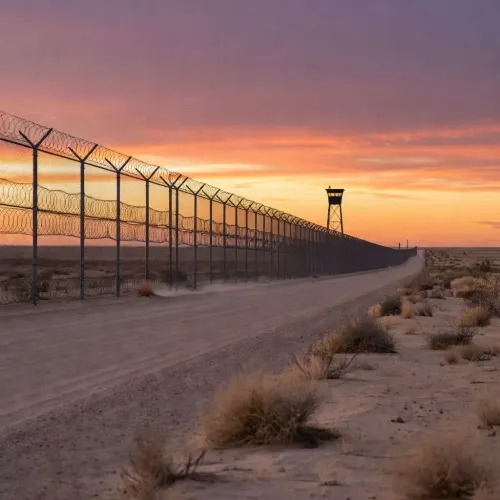
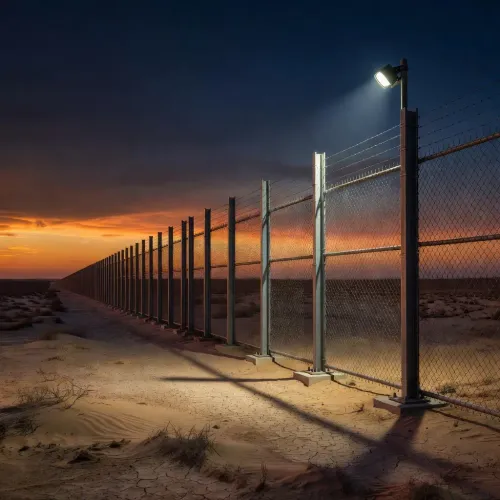
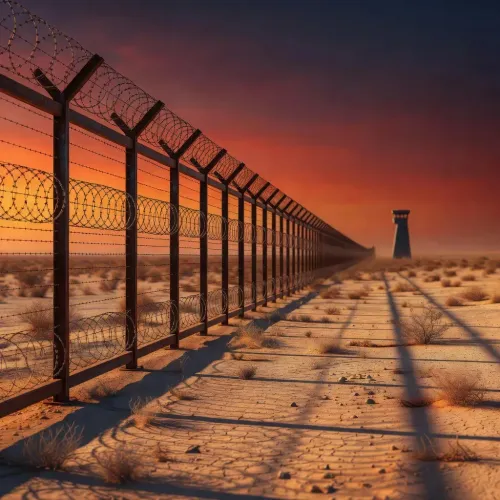
Four years of record border encounters, a sharp reversal on enforcement policy, and a presidency-defining promise — the White House on Saturday, October 17, 2026 distilled all of it into a single unambiguous declaration: the immigration crisis attributed to the Biden era is over, and President Donald Trump closed it the moment he returned to office.
The claim at the centre of the message
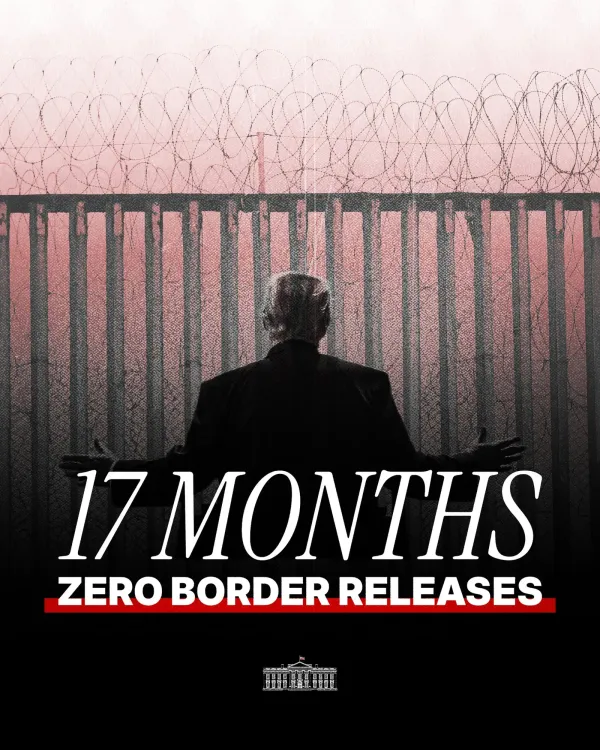
The official White House account posted that 'tens of millions of illegal aliens invaded our country for four long years under Biden' and that 'President Trump completely and totally delivered on his promise to secure our borders and keep Americans safe.' The language is strikingly unequivocal — no qualifications, no partial credit. It frames border security not as a policy work-in-progress but as a completed mission.
The statement draws a clean before-and-after line at January 20, 2025 — 'day one of the Trump Administration' — positioning the current administration's record as the direct inverse of its predecessor's.
A policy pendulum with a long history
US immigration enforcement has swung sharply between administrations for well over a decade. Trump's first term (2017–2021) brought border wall construction, the 'Remain in Mexico' policy, and Title 42 expulsions — a suite of measures his supporters credited with reducing irregular crossings. When President Joe Biden took office in January 2021, a series of executive orders paused wall projects and reversed several Trump-era restrictions, a shift critics argued contributed to the surge in encounters that followed.
Biden's tenure did coincide with historically high recorded border encounters at the US-Mexico border, though the drivers — post-pandemic economic pressure, regional instability in Central America, and strained asylum infrastructure — were complex and contested. The White House post makes no such distinctions; the frame is simple cause and effect.
Why this message lands differently in a second term
A sitting president invoking a campaign promise as a delivered fact carries more political weight than a candidate's pledge. By framing border security as 'completely and totally' achieved, the White House is not previewing a policy — it is claiming a legacy. That is a different rhetorical posture, one that invites scrutiny from enforcement data agencies, congressional oversight, and immigration advocates alike.
What matters next is whether independent border-crossing statistics, asylum processing numbers, and conditions at the US-Mexico border bear out the administration's victory lap — or complicate it.
Point of View
Not a fight still being waged. That confidence carries risk: framing success as 'complete and total' sets an unusually high bar for official statistics and on-the-ground conditions to validate. For global observers, including India, this message reinforces the broader pattern of US immigration policy oscillating sharply with each change of administration, creating uncertainty for legal migration pathways and international labor mobility tied to US visa regimes.
NationPress
17 Oct 2026
Frequently Asked Questions
What did the White House say about Trump and border security in October 2026?
The White House stated that 'tens of millions of illegal aliens invaded our country for four long years under Biden' and that President Trump 'completely and totally delivered' on his promise to secure the US border, effective from his first day back in office.
What immigration policies did Trump implement in his first term?
During his first term from 2017 to 2021, President Trump oversaw border wall construction, introduced the Remain in Mexico policy, and used Title 42 authority to expel migrants at the US-Mexico border.
What happened to US border policy under Biden?
President Biden signed executive orders in January 2021 that paused border wall projects and reversed several Trump-era immigration restrictions. His term coincided with record levels of border encounters at the US-Mexico border.
Is the White House claim about tens of millions of illegal entries verified?
The specific numerical claim about the total number of illegal entries during the Biden administration has not been independently verified and should be treated as a political assertion pending confirmation from official border data agencies.
How does US immigration policy affect India?
Sharp swings in US immigration enforcement affect Indian nationals through changes to asylum rules, H-1B visa adjudication environments, and the broader legal migration climate, making US border policy a closely watched issue for Indian professionals and policymakers.