White House Honors 13 U.S. Troops Killed in 2021 Kabul Bombing
Synopsis
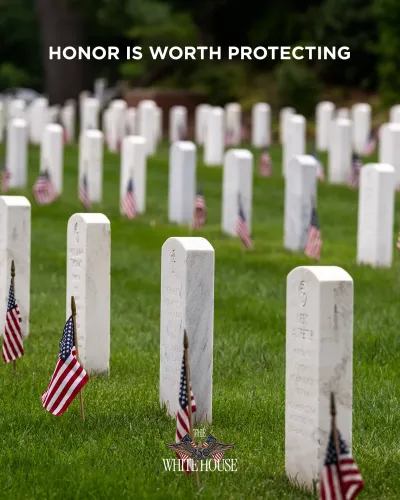
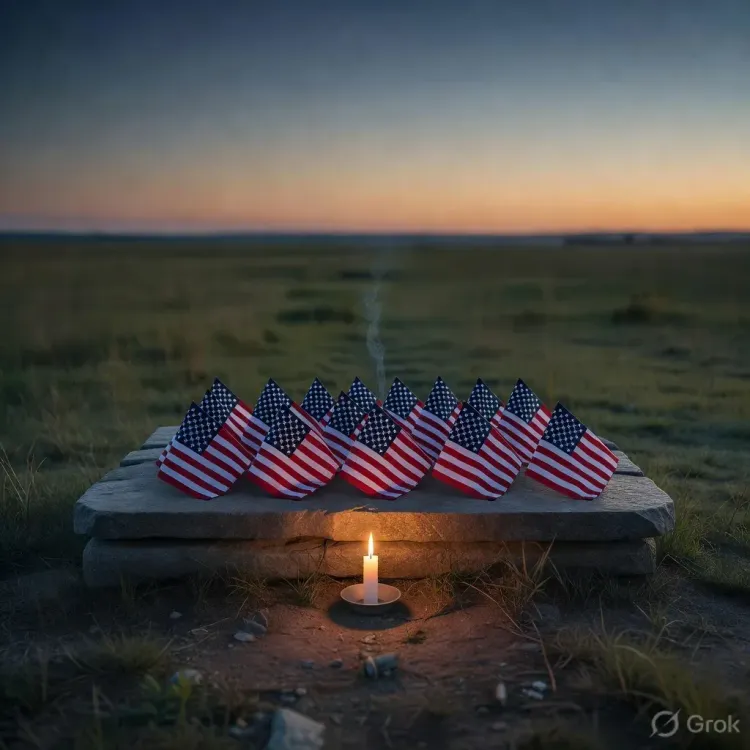
The White House honored the 13 U.S. service members killed in the ISIS-K suicide bombing at Kabul's Abbey Gate on August 26, 2021, marking five years since the deadliest day of the Afghanistan evacuation and renewing debate over the withdrawal's execution.
Key Takeaways
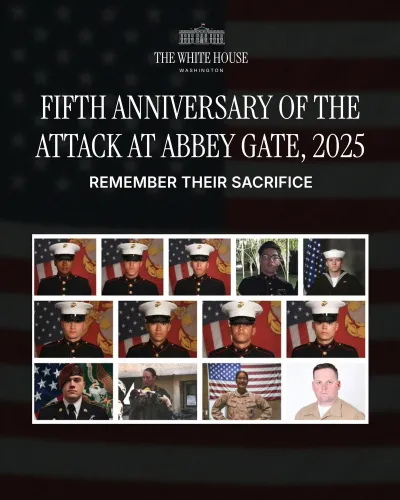
The White House issued a tribute on August 26, 2026 marking five years since the Abbey Gate bombing in Kabul.
13 U.S. service members and more than 170 Afghan civilians were killed in the ISIS-K suicide attack on August 26, 2021 .
The attack occurred during the final days of the U.S. evacuation; the last American troops left Afghanistan on August 30, 2021 .
The post directly attributed the deaths to former President Joe Biden's handling of the withdrawal.
Annual commemorations have consistently reignited partisan debate over the planning and execution of the U.S. exit from Afghanistan.
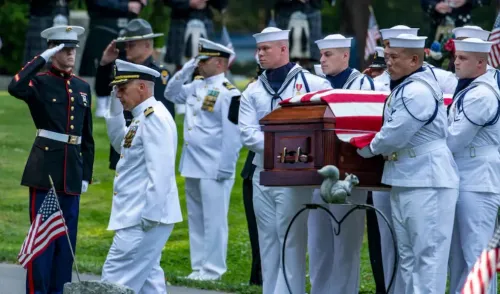
Five years after a suicide bomber tore through the crowd at Abbey Gate in Kabul, Afghanistan, the White House paused on Wednesday, August 26, 2026 to honor the 13 American service members killed in one of the deadliest single-day losses for U.S. forces in two decades.
The attack that defined the end of America's longest war
On August 26, 2021, as thousands of Afghans and foreign nationals surged toward Hamid Karzai International Airport in a desperate bid to flee the Taliban's rapid takeover, an ISIS-K suicide bomber detonated at Abbey Gate — one of the few exit points still controlled by U.S. forces. The blast killed 13 U.S. troops and more than 170 Afghan civilians, turning a fraught evacuation into a catastrophe.
The Islamic State Khorasan Province (ISIS-K), the Afghan affiliate of the global terror network, claimed responsibility. The attack struck in the final days of Operation Allies Refuge, the largest non-combatant evacuation in U.S. history, which airlifted more than 120,000 people out of Afghanistan before the last American troops departed on August 30, 2021.
Biden's withdrawal and the partisan fault line it created
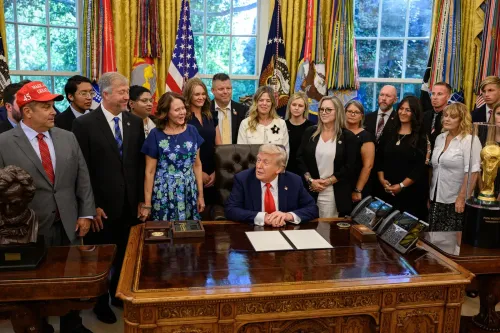
The White House post directly blamed former President Joe Biden, the 46th President of the United States, calling the evacuation 'totally botched' and attributing the deaths to decisions made during his administration's management of the withdrawal. The U.S. drawdown was carried out under a timeline negotiated in the Doha Agreement signed in February 2020 under the prior administration, though the Biden administration set and executed the final withdrawal date.
Annual commemorations of the Abbey Gate bombing have consistently reignited debate over the planning, intelligence failures, and diplomatic choices that shaped the chaotic final days in Kabul. Military families of the fallen, veterans' groups, and members of Congress across party lines have called for full accountability for the security breakdown that left troops exposed in the crowd.
The 13 who did not come home
The service members killed ranged in age from 20 to 31 and represented all branches of the military, including Marines, soldiers, and a Navy corpsman. Their names became a rallying point for veterans' communities and a symbol of the human cost of the war's final chapter — a war that began in the weeks after September 11, 2001 and ended, after 20 years, in scenes of chaos at the same airport where the evacuation had begun with such urgency.
As long as that debate remains unresolved, the names of those 13 will keep returning to the center of American political life — not just as a tribute, but as an open question about accountability.
Point of View
' the post signals that Afghanistan accountability remains a live executive-branch priority, not merely a historical footnote. The Doha Agreement's bipartisan origins complicate any single-party blame narrative, but the political incentive to keep that question open is evident. For U.S. military families and veterans, the annual cycle of tribute-and-blame risks reducing a genuine grief into a partisan instrument — a tension that future policy debates on counterterrorism and military withdrawal doctrine will have to reckon with.
NationPress
11 Oct 2026
Frequently Asked Questions
Who were the 13 U.S. troops killed in the Kabul airport bombing?
The 13 U.S. service members killed at Abbey Gate on August 26, 2021 included Marines, soldiers, and a Navy corpsman, ranging in age from 20 to 31. They were part of the security force managing the final evacuation from Afghanistan.
Who carried out the 2021 Kabul airport attack?
ISIS-K (Islamic State Khorasan Province), the Afghan affiliate of the Islamic State, claimed responsibility for the suicide bombing at Abbey Gate that killed 13 U.S. troops and more than 170 Afghan civilians.
Why is the White House blaming Biden for the Kabul bombing?
The White House post attributed the deaths to former President Joe Biden's management of the U.S. withdrawal from Afghanistan, calling it 'totally botched.' The Biden administration set and executed the final withdrawal timeline in August 2021 , though the underlying peace deal was negotiated in 2020.
When did the U.S. complete its withdrawal from Afghanistan?
The last U.S. troops left Afghanistan on August 30, 2021 , four days after the Abbey Gate bombing , completing the withdrawal under the Biden administration .
How many people were evacuated from Afghanistan in 2021?
More than 120,000 people were airlifted out of Afghanistan during Operation Allies Refuge , the U.S.-led evacuation that ran through August 2021 before the final withdrawal on August 30.