White House Hypes US Kick-Off at FIFA World Cup 2026
Synopsis
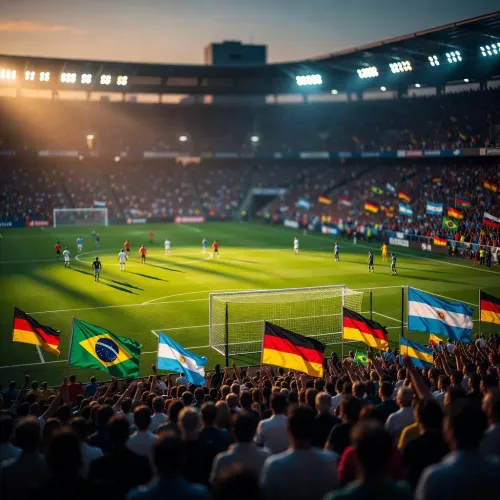
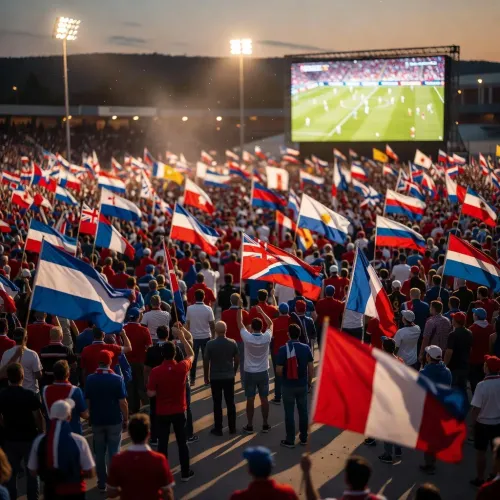
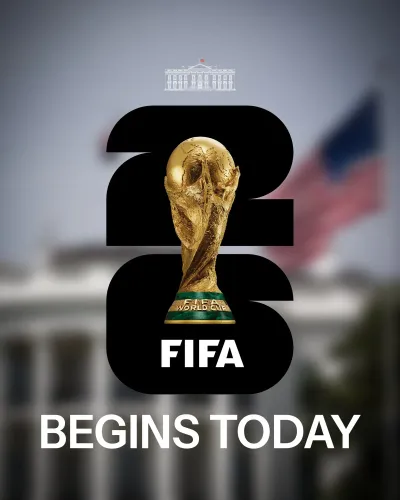
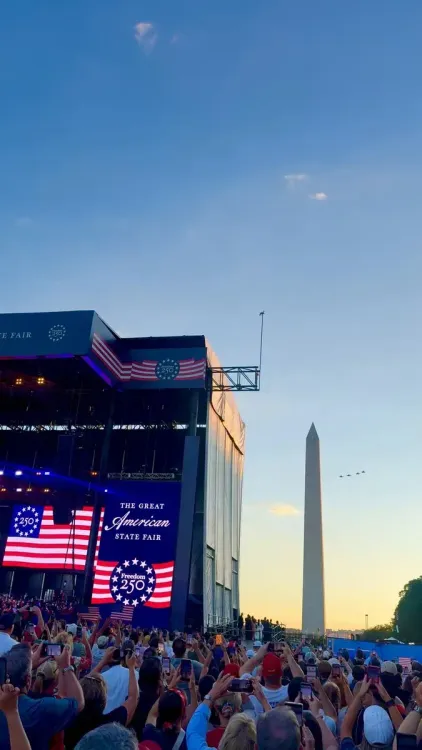
The White House posted a video on X on June 25, 2026, declaring 'THIS IS WHAT AN AMERICAN KICK-OFF LOOKS LIKE' as the FIFA World Cup 2026 — the first 48-team edition, co-hosted by the US, Canada, and Mexico — got under way on American soil.
Key Takeaways
The White House posted a celebratory video on X on June 25, 2026 , marking the US kick-off at the FIFA World Cup 2026 .
The 2026 FIFA World Cup is the first edition expanded to 48 teams , co-hosted by the United States , Canada , and Mexico .
The joint hosting bid was awarded to the three nations by FIFA in 2018 .
The US previously hosted the 1994 FIFA World Cup , which set domestic attendance records and boosted professional soccer growth.
Federal involvement in the tournament covers logistics, security, and public diplomacy, consistent with the US government's pattern at major international sporting events.
Group-stage and knockout matches at US venues are scheduled through July 2026 .
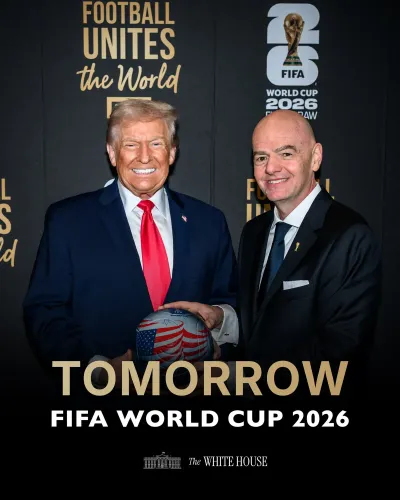
The White House, the official communications account of the Executive Office of the President of the United States, posted a celebratory message on X on Thursday, June 25, 2026, marking what it called a defining American moment at the FIFA World Cup 2026, the first edition of the expanded 48-team tournament co-hosted by the United States, Canada, and Mexico.
Context
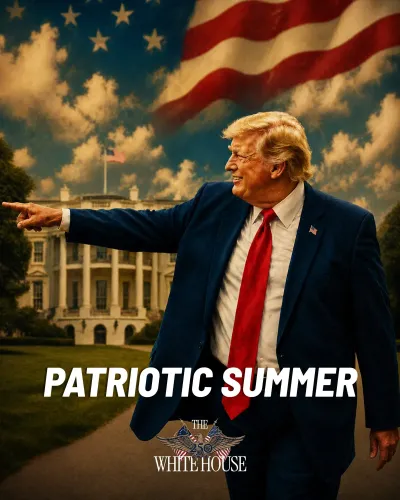
The post — reading 'THIS IS WHAT AN AMERICAN KICK-OFF LOOKS LIKE' alongside the American flag and bald eagle emojis — accompanied a video clip, signalling federal pride in the United States' role as a primary host nation. The phrasing reflects a deliberate projection of national identity tied to the tournament's opening phase on American soil.
The 2026 FIFA World Cup is the first edition to feature 48 national teams, up from the previous 32-team format. The joint bid by the United States, Canada, and Mexico was selected by FIFA in 2018, making this the most expansive World Cup in the tournament's history by participating nations.
Policy Backdrop
The United States has a documented history of leveraging major sporting events for soft-power messaging and public diplomacy. The country previously hosted the 1994 FIFA World Cup, which set domestic attendance records and is credited with accelerating the growth of professional soccer in North America.
Federal involvement in the 2026 World Cup spans logistics, security coordination, and public diplomacy — a pattern consistent with prior large-scale events hosted on American soil, including preparations for the 2028 Summer Olympics in Los Angeles. The White House's social media engagement fits squarely within this tradition of executive-level visibility around international sporting occasions.
Stakeholders and Impact
For sports fans in India and across the world, the White House's post underscores the scale of federal enthusiasm surrounding the tournament. India's growing football fanbase — particularly in states such as West Bengal, Kerala, and Goa — has tracked World Cup developments closely, with the expanded 48-team format raising prospects of more diverse national representation.
For host cities across the United States, the tournament represents significant economic activity through tourism, broadcasting rights, and infrastructure investment. The federal government's visible cheerleading role amplifies public attention domestically and internationally.
What's Next
Group-stage and knockout matches at US venues are scheduled through July 2026, with the tournament's expanded format meaning more matches, more host cities, and a longer window of federal and public engagement. Any accompanying federal announcements on security arrangements or infrastructure upgrades will be closely watched.
As the tournament progresses, the White House's use of social media to frame American hosting as a point of national pride is likely to intensify, particularly around high-profile knockout fixtures and any matches involving the US Men's National Team.
Point of View
The administration signals both domestic pride and international visibility at a moment of global attention. For India, where football fandom is concentrated but passionate, the expanded 48-team format and high-profile US federal engagement make the 2026 edition a more compelling watch than previous tournaments. The post is less a policy statement than a choreographed piece of public diplomacy — but its reach and timing are deliberate.
NationPress
25 Jun 2026
Frequently Asked Questions
What is the FIFA World Cup 2026 and who is hosting it?
The FIFA World Cup 2026 is the first edition of the tournament expanded to 48 teams . It is co-hosted by the United States , Canada , and Mexico , with the joint bid selected by FIFA in 2018.
Why did the White House post about the FIFA World Cup 2026?
The White House posted on X on June 25, 2026 to celebrate the United States' role as a primary host nation, sharing a video with the message 'THIS IS WHAT AN AMERICAN KICK-OFF LOOKS LIKE' as part of federal public diplomacy around the tournament.
When did the US last host the FIFA World Cup before 2026?
The United States last hosted the FIFA World Cup in 1994 , an edition that set domestic attendance records and is credited with driving sustained growth in professional soccer across North America.
How many teams are playing in the FIFA World Cup 2026?
The FIFA World Cup 2026 features 48 national teams , expanded from the previous format of 32 teams, making it the largest World Cup in the tournament's history by number of participating nations.
Where can Indian fans watch FIFA World Cup 2026 matches?
Indian fans can follow FIFA World Cup 2026 matches through official broadcast and streaming partners. Group-stage and knockout fixtures at US venues are scheduled through July 2026 .