White House Warns Congress: FAA Systems Need Urgent Funding

Synopsis
The White House publicly warned Congress that FAA infrastructure is dangerously underfunded, calling for urgent upgrades to aging air traffic control systems to protect the safety and security of American air travelers.
Key Takeaways
The White House posted on November 18, 2026 that Congress was warned about the need for FAA infrastructure funding.
The Federal Aviation Administration (FAA) operates U.S. civil aviation and its air traffic control systems, which rely on ageing technology.
The last major legislative action was the FAA Reauthorization Act of 2018 , which directed but did not fully deliver system modernisation.
The administration framed the issue as a matter of safety and security for the American people, raising political stakes for Congress.
Congressional action on fresh FAA appropriations or reauthorization legislation is now the key development to watch.
America's skies are only as safe as the systems that manage them — and the White House is now pointing directly at Congress for failing to act. In a pointed post on Wednesday, November 18, 2026, the Executive Office of the President warned that the Federal Aviation Administration (FAA) is operating on aging infrastructure that urgently needs both funding and modernisation to protect the safety and security of the American people.
The White House's statement was blunt: 'Congress was warned. FAA infrastructure badly needs funding. The old systems need to be upgraded for the safety and security of the American people.' The language signals a direct escalation — the administration is not making a request, it is registering accountability.
Decades of Delay in America's Air Traffic Control Grid
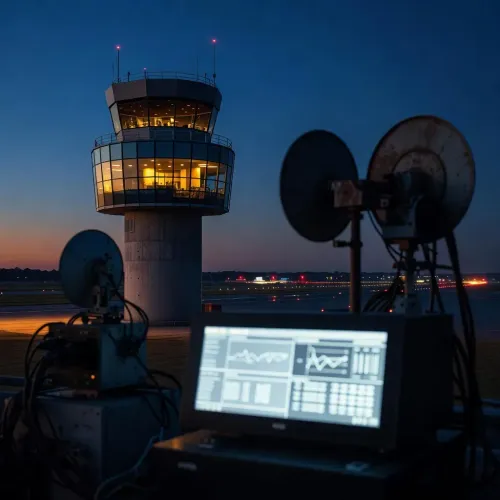
The FAA is responsible for regulating all of U.S. civil aviation and operating the air traffic control network — a system that handles millions of flights annually and underpins one of the world's busiest airspaces. The core infrastructure, however, has long been criticised for relying on technology that dates back decades, with modernisation programmes repeatedly stalled, underfunded, or delayed by legislative gridlock.
The last major legislative push came with the FAA Reauthorization Act of 2018, which extended operational funding and directed upgrades to air traffic control systems. But transformation at the scale the FAA requires demands sustained, long-term appropriations — the kind that must pass through Congress, which controls all federal spending. Without that commitment, piecemeal fixes have done little to close the structural gap.
Budget Politics Behind the Safety Warning
The White House's choice of words — 'Congress was warned' — suggests this post arrives in the context of ongoing budget negotiations or an approaching reauthorization deadline. This is a recognisable playbook: when executive agencies face infrastructure crises but lack the appropriations to act, the administration publicly draws the line at the legislative branch's door.
The stakes are concrete. Air travelers, airlines, cargo operators, and the broader aviation industry all depend on the reliability of FAA systems. A failure — whether a communications blackout, a radar outage, or a software collapse — has immediate, cascading consequences for flights across the country.
What Comes Next for FAA Funding
All eyes now turn to Capitol Hill. The critical question is whether Congress moves on fresh FAA appropriations or reauthorization legislation — and how quickly those funds could translate into real infrastructure upgrades. The administration has drawn its line publicly, which raises the political cost of inaction for lawmakers on both sides of the aisle.
When the safety of the skies becomes a political pressure point, Congress rarely stays silent for long. The question is whether the response comes fast enough to matter.
Point of View
Likely timed to budget negotiations or a looming reauthorization deadline. By invoking 'safety and security,' the administration elevates the FAA funding debate from a technical appropriations dispute to a political liability for lawmakers. This follows a well-established pattern in U.S. executive-legislative relations: when infrastructure crises fester, the White House assigns blame loudly and early. The move puts congressional leaders in a difficult position ahead of any vote, turning inaction into a headline rather than a footnote.
NationPress
18 Nov 2026
Frequently Asked Questions
Why is the White House criticising Congress over FAA funding?
The White House says Congress has failed to provide adequate funding to modernise aging FAA infrastructure, warning this poses risks to the safety and security of American air travelers.
What does the FAA do and why does its infrastructure matter?
The Federal Aviation Administration regulates all U.S. civil aviation and operates the air traffic control system. Aging systems in this network can lead to outages or failures that disrupt millions of flights.
What was the FAA Reauthorization Act of 2018?
The FAA Reauthorization Act of 2018 extended federal funding for the FAA and directed modernisation of air traffic control systems, but sustained long-term upgrades have faced repeated delays.
What could happen if FAA systems are not upgraded?
Outdated air traffic control infrastructure raises the risk of communications blackouts, radar failures, or software collapses that could have immediate, cascading effects on U.S. air travel.
What action is expected from Congress on FAA infrastructure?
Congress is expected to consider fresh FAA appropriations or a new reauthorization bill. The White House's public statement increases pressure on lawmakers to act quickly.