VP Vance Demands FAA System Overhaul, Not Just Patchwork Fixes
Synopsis
Vice President JD Vance challenged the U.S. reliance on decades-old FAA infrastructure on November 17, 2026, arguing that patchwork maintenance of a 50-year-old air traffic control system is no substitute for a genuine overhaul — framing the debate ahead of the next FAA reauthorisation cycle.
Key Takeaways
VP JD Vance publicly questioned why the U.S. still operates a 50-year-old FAA air traffic control system.
Vance criticised the reliance on 'patchwork solutions' as an unsustainable approach to aviation infrastructure.
The Federal Aviation Administration (FAA) has long depended on legacy radar and automation systems flagged by experts as outdated.
The Infrastructure Investment and Jobs Act of 2021 allocated multi-year FAA modernisation funding, but the administration signals more is needed.
The NextGen satellite-based air traffic overhaul programme, launched in the mid-2000s, has seen fitful progress over successive administrations.
Congressional action on the next FAA reauthorisation bill will be the key legislative test for translating this rhetoric into structural change.
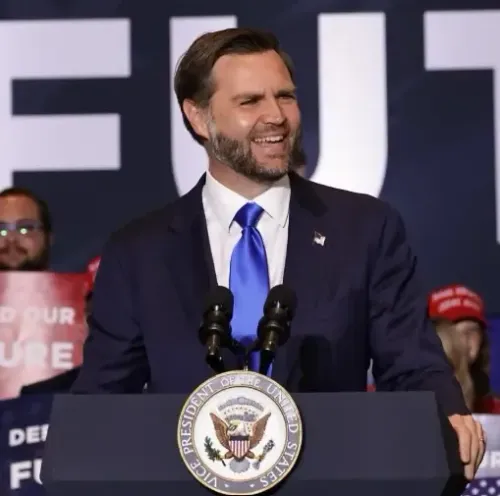
America's air traffic control network runs on infrastructure that predates the internet age — and Vice President JD Vance is done pretending that is acceptable. Speaking on November 17, 2026, Vance sharpened the White House's push for meaningful FAA funding by turning the administration's frustration into a pointed question the country has long avoided asking.
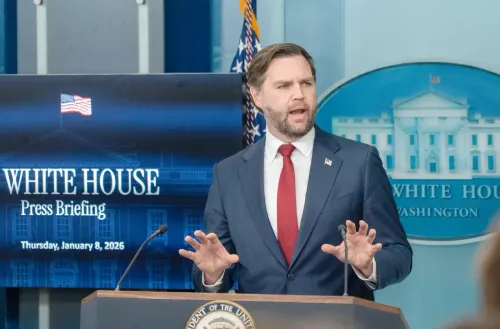
Vance put it plainly: 'Sometimes you have to work on a patchwork of solutions to keep a 50-year-old system up and running, why do we have a 50-year-old system in the first place?' The remark cuts to the core of a debate that has quietly shaped U.S. aviation policy for decades — not whether to fund the Federal Aviation Administration, but whether incremental fixes can substitute for the structural overhaul the system actually needs.
A 50-Year-Old Problem With a Multi-Billion-Dollar Price Tag
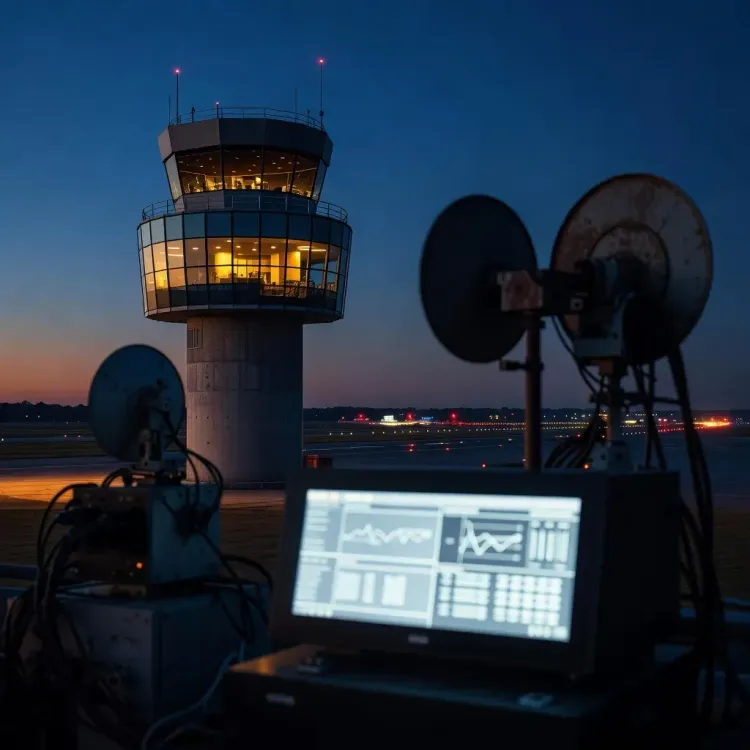
The FAA's air traffic control infrastructure has long depended on legacy radar and automation technology that engineers and pilots alike have flagged as a liability. The agency's modernisation programme, known as NextGen, launched in the mid-2000s, promised a satellite-based overhaul of the national airspace. Progress has been fitful, funding has been episodic, and the core architecture — the stuff that keeps planes separated in the sky — remains rooted in an earlier technological era.
Congress addressed a slice of the problem through the Infrastructure Investment and Jobs Act of 2021, which directed multi-year funding toward FAA facilities, equipment, and air traffic control modernisation. But Vance's remarks signal the administration views that legislation as a floor, not a ceiling — and that the political will for a more sweeping commitment is being built in public, one sharp question at a time.
Reauthorisation on the Clock
The next pressure point is congressional. The FAA's operating authority runs through periodic reauthorisation bills that set funding levels and policy priorities for the agency. Each cycle becomes a battleground between aviation-industry stakeholders pushing for expanded capacity, safety advocates demanding accelerated upgrades, and fiscal hawks wary of open-ended appropriations.
Vance's framing — implicitly asking why a modern economy tolerates a half-century-old backbone for one of its most safety-critical industries — is designed to shift that debate. The question is no longer just 'how much to appropriate' but 'what are we actually building toward?' That is a harder conversation, and a politically more consequential one.
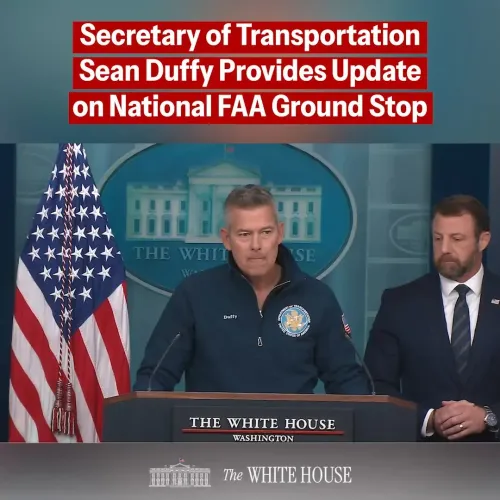
When a sitting Vice President uses prime real estate on the administration's own communications channel to call out systemic dysfunction in federal infrastructure, the signal is clear: the White House wants this fight, and it wants it now.
Point of View
Which raises the political stakes ahead of the next reauthorisation cycle. The move follows a recognisable White House pattern of using the Vice President as the administration's sharpest domestic-policy voice, particularly on infrastructure where tangible outcomes can be claimed as wins. For Indian observers, the parallel to debates over legacy public-sector infrastructure — where successive governments inherit aging systems and face the same 'repair vs. rebuild' dilemma — is striking. Whether Vance's urgency translates into appropriations or remains campaign-trail energy will define the administration's infrastructure legacy in aviation.
NationPress
17 Nov 2026
Frequently Asked Questions
What did VP JD Vance say about FAA infrastructure funding?
Vance questioned why the United States still maintains a 50-year-old air traffic control system, arguing that relying on patchwork solutions to keep it running is not an acceptable long-term strategy and that the country needs fundamental modernisation investment.
What is the FAA and why does its infrastructure matter?
The Federal Aviation Administration is the U.S. agency responsible for civil aviation safety and air traffic control. Its infrastructure — radar, automation, and communication systems — directly governs the safe separation of thousands of flights daily across American airspace.
What is the NextGen air traffic control programme?
NextGen is a long-running FAA modernisation initiative launched in the mid-2000s that aims to replace legacy radar-based systems with satellite-based navigation and automation. Progress has been incremental across multiple administrations.
Did the 2021 infrastructure law fund FAA modernisation?
Yes. The Infrastructure Investment and Jobs Act of 2021 allocated multi-year funding for FAA facilities, equipment, and air traffic control upgrades, but the White House now signals that additional, more ambitious investment is needed.
What comes next for FAA funding in Congress?
The key legislative test is the next FAA reauthorisation bill, which sets the agency's funding levels and policy priorities. Congressional negotiations on reauthorisation and annual appropriations for air traffic control accounts will determine how far Vance's push for structural overhaul actually goes.