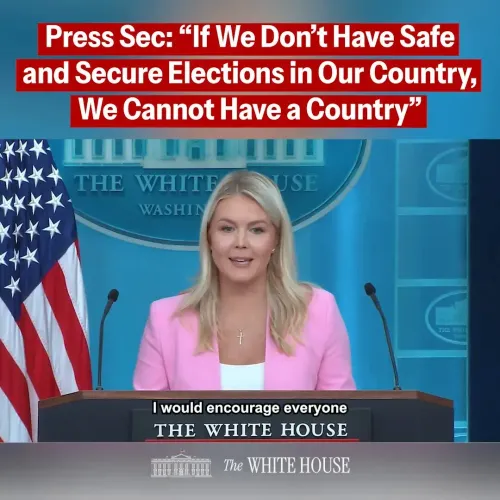
White House Pushes Election Integrity Docs Amid 2026 Midterm Season
Synopsis
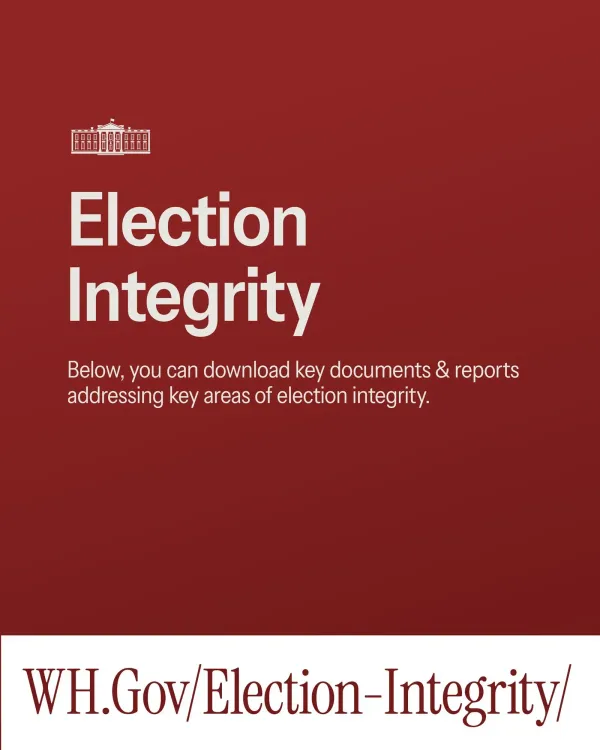
The White House on July 17, 2026 directed the public to WH.GOV/Election-Integrity, compiling documents on voting systems, security, and registration. The move follows post-2020 audits and arrives four months before the November 2026 midterm elections, reigniting debate over federal election oversight.
Key Takeaways
The White House published a dedicated election integrity portal at WH.GOV/Election-Integrity on July 17, 2026 .
The post cites 'post-2020 concerns' as the basis for thorough examinations of voting systems, security, and registrations.
The Department of Homeland Security designated election systems as critical infrastructure in 2017 , anchoring federal involvement.
More than thirty states passed election-related legislation between 2021 and 2023 in response to post-2020 debate.
The communication arrives approximately four months before the November 2026 midterm elections .
Key federal bodies involved include CISA and the Election Assistance Commission , both of which issue guidance to state election officials.
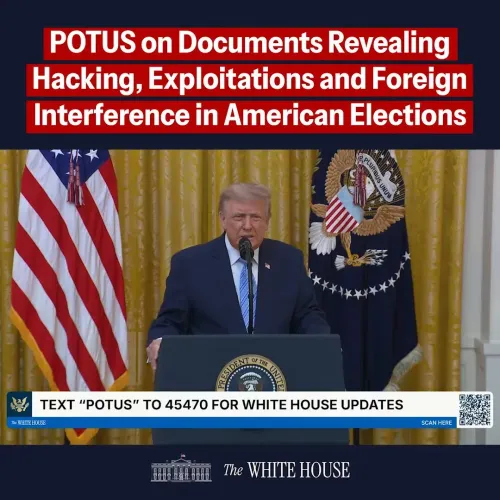
The White House on Friday, July 17, 2026, directed the public to a dedicated government portal compiling key documents and reports on election security, voting systems, and voter registration, citing concerns that emerged after the 2020 presidential election as the impetus for the effort.
Context
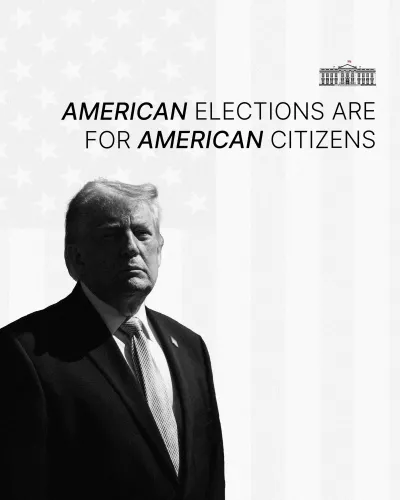
The post states: 'Securing our elections is vital to preserving trust in American democracy. Post-2020 concerns led to thorough examinations of voting systems, security, and registrations.' It directs readers to WH.GOV/Election-Integrity for what it describes as 'key documents and reports.' The communication arrives roughly four months before the November 2026 midterm elections, a period in which public attention to election administration typically intensifies.
The 2020 United States presidential election, contested between Donald Trump and Joe Biden, triggered a wave of state-level audits, legislative reviews, and federal assessments of ballot integrity, chain-of-custody protocols, and registration databases. That election remains the most scrutinised in recent American history.
Policy Backdrop
Federal involvement in election security has a structured institutional history. In 2017, the Department of Homeland Security designated election systems as critical national infrastructure, formalising federal support for state-run election offices. The Cybersecurity and Infrastructure Security Agency (CISA), a DHS component, has since served as the lead federal body for issuing security assessments and best-practice guidance to state and local election officials.
The Election Assistance Commission (EAC), established under the Help America Vote Act of 2002, continues to develop voluntary voting system guidelines and provide technical assistance. Between 2021 and 2023, more than thirty states enacted legislation tightening voter identification requirements, mail-ballot deadlines, and chain-of-custody rules — a direct legislative response to post-2020 public debate.
The tension between election security measures and voter access has defined much of the federal-state policy conversation since the 2000 presidential recount, and the current White House communication fits squarely within that long-running pattern.
Stakeholders and Impact
The primary audiences for this kind of official outreach are state election officials, who administer elections independently under the American federal system, and voters seeking authoritative information on how their ballots are secured. Advocacy groups on both sides of the political spectrum have closely monitored White House messaging on election integrity, given its potential to shape public confidence in electoral outcomes.
The documents referenced via the White House portal are expected to draw scrutiny from civil liberties organisations concerned about restrictive voting rules, as well as from election-security advocates who argue that stronger safeguards are overdue. Congressional committees overseeing election law are also likely to reference such executive-branch compilations in their own deliberations.
What's Next
With the November 2026 midterms approaching, Congress is expected to consider whether new federal election standards or additional funding for state election offices are warranted. State-level implementation reports on legislation passed since 2021 and ongoing court challenges to recently enacted voting rules will continue to shape the legal landscape. The White House portal's content will likely be cited by both supporters and critics of current election administration practices as the campaign season intensifies.
Point of View
Framing the executive branch as the authoritative custodian of electoral trust. By anchoring the communication in 'post-2020 concerns,' the administration keeps a politically charged period in public view while positioning official documentation as the antidote to misinformation. This fits a broader pattern — stretching from the Help America Vote Act to CISA's critical infrastructure designation — of federal actors stepping into what is constitutionally a state-administered process. The timing and framing will almost certainly deepen partisan divisions over whether such outreach strengthens democracy or selectively amplifies one side of an unresolved national argument.
NationPress
17 Jul 2026
Frequently Asked Questions
What is the White House election integrity portal?
It is a government webpage at WH.GOV/Election-Integrity where the White House has compiled key documents and reports on voting systems, election security, and voter registration, referencing examinations conducted after the 2020 presidential election.
Why did the White House post about election integrity in July 2026?
The White House stated that post-2020 concerns prompted thorough examinations of voting and security systems, and the July 2026 post directs the public to those findings ahead of the November 2026 midterm elections.
What happened to US election security after the 2020 election?
Following the 2020 presidential election, more than thirty states enacted legislation between 2021 and 2023 tightening voter ID rules, mail-ballot deadlines, and chain-of-custody requirements, while federal agencies like CISA issued updated security assessments.
Which federal agencies oversee US election security?
The Cybersecurity and Infrastructure Security Agency (CISA) under the Department of Homeland Security is the lead federal body for election infrastructure security, while the Election Assistance Commission provides voluntary voting system guidelines and technical assistance.
When were US elections designated as critical infrastructure?
The Department of Homeland Security designated election systems as critical national infrastructure in 2017, formalising federal support for state and local election security efforts.