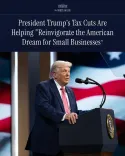
White House: Small Businesses Surging Under Trump's Tax Cuts
Synopsis
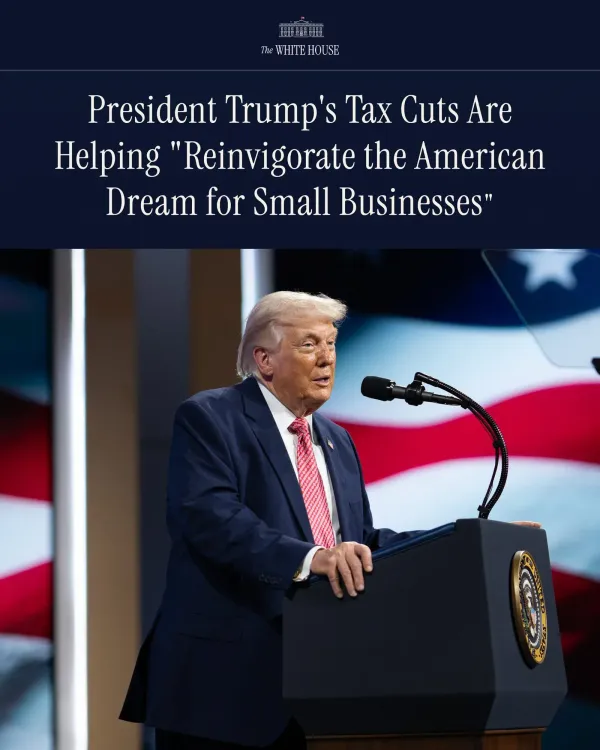
The White House declared a Main Street revival on October 10, 2026, crediting President Trump's lower taxes, wage growth, and pro-growth policies for a surge in small businesses — while taking a direct shot at Democrats for years of alleged economic neglect.
Key Takeaways
The White House posted on October 10, 2026 claiming small businesses are surging under President Trump .
The administration credits three specific drivers: lower taxes, higher wages, and pro-growth policies .
The post frames the revival as a direct reversal of what it calls 'years of neglect' under Democratic governance.
Small businesses are a central pillar of the US economy, making their performance a key political and economic indicator.
The 2017 Tax Cuts and Jobs Act remains the landmark policy backdrop for Republican claims on business-friendly tax relief.
Upcoming small-business confidence indices and hiring data will be critical in testing the White House's claims.
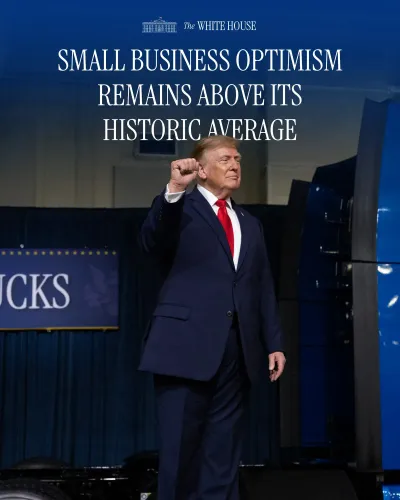
Small businesses across America are riding a wave of renewed confidence, the White House declared on Saturday, October 10, 2026 — pointing to lower taxes, rising wages, and pro-growth policy as the engines behind what it calls a Main Street revival under President Donald Trump.
What the White House is claiming — and why it matters
The official White House account posted that 'lower taxes, higher wages, and pro-growth policies are all leading to a surge on Main Street,' adding that small businesses are 'BACK under President Trump' after what it described as 'years of neglect from Democrats.' The message pairs economic optimism with a pointed political contrast — framing the current administration's record as a clean break from its predecessor's approach.
Small businesses form the backbone of the American economy, accounting for the vast majority of private-sector employers. Any sustained shift in their confidence, hiring, or revenue has outsized ripple effects — from local communities to national GDP figures — making the White House's framing a high-stakes political claim worth watching against incoming data.
The tax and wage argument at the centre of the message
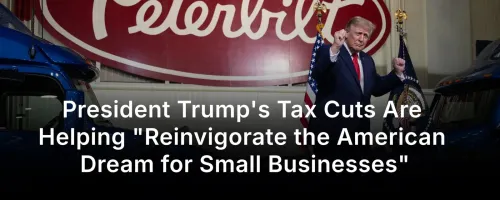
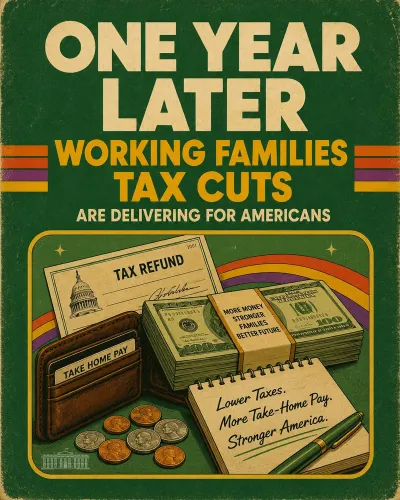
The post specifically highlights three policy levers: tax reductions, wage growth, and a broadly 'pro-growth' regulatory posture. Tax cuts have been a signature Republican economic tool — most prominently through the 2017 Tax Cuts and Jobs Act — and the Trump administration has consistently argued that keeping rates low, or lowering them further, unlocks investment and hiring at the small-business level.
Wage growth, when paired with tax relief, is the administration's preferred answer to cost-of-living pressures that have dominated American politics for several years. The combination, in the White House's telling, creates a self-reinforcing cycle: businesses keep more of their earnings, invest in workers, and expand — a cycle it is now claiming is visibly under way.
The political subtext: a direct shot at Democrats
The phrase 'years of neglect from Democrats' is not incidental — it is the political core of the post. The White House is drawing a deliberate line between the Biden-era economic record and the current moment, using small-business sentiment as the battleground. For an Indian audience tracking US politics, this signals that economic stewardship of working-class and entrepreneurial America remains one of the sharpest fault lines heading into the next electoral cycle.
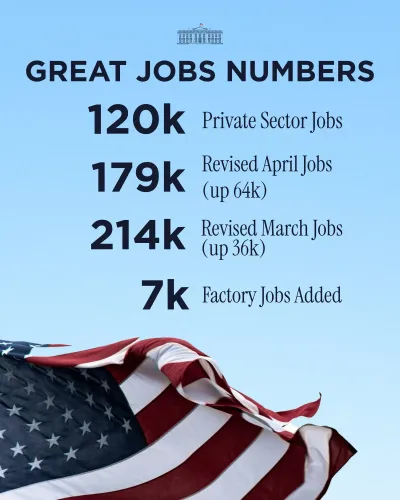
Whether the data fully backs the claim will be the real test. Main Street optimism indices, small-business loan activity, and hiring numbers in the coming quarters will either validate or complicate this narrative — and both parties know it.
The message is clear: the White House is staking its economic legacy, at least in part, on the fortunes of America's smallest businesses. Watch the numbers.
Point of View
Wages) to a broader narrative of Democratic failure versus Republican revival. By centering 'Main Street' rather than Wall Street, the administration is making a deliberate appeal to working-class and small-business owners, a constituency both parties have aggressively courted. The sharpness of the anti-Democrat framing suggests the White House sees small-business sentiment as a genuine political asset right now — but the claim is only as durable as the next round of economic data, which will either cement or erode the narrative.
NationPress
10 Oct 2026
Frequently Asked Questions
What did the White House say about small businesses in October 2026?
The White House posted on October 10, 2026, that lower taxes, higher wages, and pro-growth policies under President Trump are driving a surge for small businesses on Main Street, calling it a reversal of years of Democratic neglect.
What are Trump's pro-growth policies for small businesses?
The White House has highlighted tax reductions, wage growth incentives, and a deregulatory posture as the core pro-growth levers benefiting small businesses under President Trump.
How do US tax cuts affect small businesses?
Tax cuts — most notably through the 2017 Tax Cuts and Jobs Act — allow small businesses to retain more earnings, which proponents argue boosts reinvestment, hiring, and wage growth at the local level.
Why is small business performance important in US politics?
Small businesses account for the majority of private-sector employment in the United States, making their confidence and hiring trends a closely watched barometer of economic health and a key political battleground.
What is Main Street in the US economic context?
'Main Street' is a shorthand for local, small-scale American businesses and the everyday economy — as opposed to large corporations and financial markets, which are typically referred to as 'Wall Street.'