White House Spotlights B-2 Stealth Bomber Capability
Synopsis
The White House on 25 June 2026 posted a stark image-accompanied declaration spotlighting the B-2 Spirit stealth bomber. Built by Northrop Grumman and operated from Whiteman Air Force Base, the B-2 is America's only penetrating nuclear-capable stealth aircraft. The post comes as its successor, the B-21 Raider, advances through flight testing.
Key Takeaways
The White House posted a terse 'B-2 STEALTH BOMBER' message with imagery on 25 June 2026 , drawing attention to the platform without elaboration.
The B-2 Spirit , built by Northrop Grumman , has been operational since 1997 and is the only US aircraft designed from the outset to penetrate advanced air-defence systems with nuclear or conventional payloads.
The US Air Force operates the B-2 fleet from Whiteman Air Force Base , Missouri, with a total fleet of just 20 aircraft .
The B-2 first saw combat in 1999 during Operation Allied Force over Serbia; the 2018 Nuclear Posture Review reaffirmed its role in the nuclear triad.
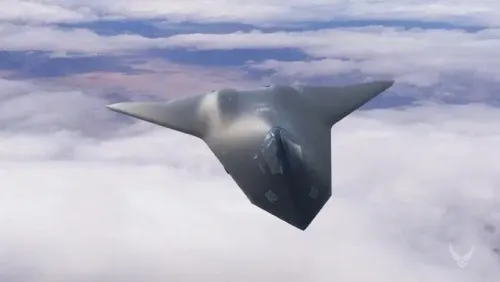
Its successor, the B-21 Raider , is currently in flight testing and is expected to begin replacing the B-2 fleet in the late 2020s .
Public White House emphasis on the B-2 is seen as signalling around extended deterrence commitments to allies in Europe and the Indo-Pacific .
The White House, the official communications account of the Executive Office of the President of the United States, posted a stark two-word declaration on Thursday, 25 June 2026, drawing attention to the B-2 Spirit stealth bomber — one of the most formidable long-range strike platforms in the American arsenal.
Context
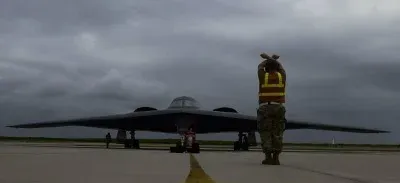
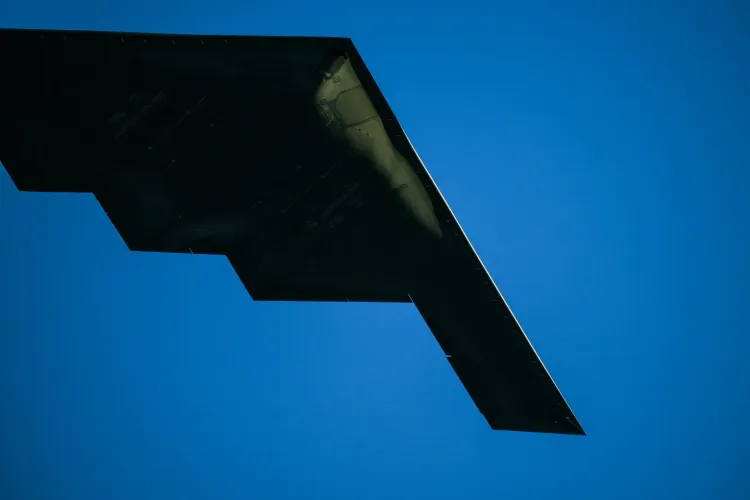
The post, reading simply 'B-2 STEALTH BOMBER,' was accompanied by an image and shared without additional commentary, a deliberate stylistic choice that lets the platform speak for itself. The B-2 Spirit is a strategic stealth bomber built by Northrop Grumman, capable of carrying both nuclear and conventional payloads deep into heavily defended airspace. It achieved initial operational capability in 1997 and remains the only operational US aircraft designed from the ground up for penetrating sophisticated, layered air-defence systems.
The aircraft is operated exclusively by the United States Air Force out of Whiteman Air Force Base in Missouri. With a fleet of just 20 aircraft, the B-2 is among the rarest and most expensive weapons systems ever built, making any public White House emphasis on it a signal worth noting.
Policy Backdrop
The B-2 program traces its origins to the late 1970s under the Carter administration, when it was conceived as the Advanced Technology Bomber in response to Soviet air-defence improvements. It was publicly unveiled in 1988 during the Reagan-era strategic buildup and flew its first combat sorties in 1999 during Operation Allied Force over Serbia, demonstrating that intercontinental stealth strike was operationally viable.
The 2018 Nuclear Posture Review formally reaffirmed the requirement for a penetrating bomber as a leg of the nuclear triad, sustaining funding for both B-2 sustainment and the development of its successor, the B-21 Raider. The B-21, also built by Northrop Grumman, is currently in flight testing and is intended to replace both the B-2 and the older B-1 Lancer fleets beginning in the late 2020s.
Stakeholders and Impact
For the US Air Force and strategic deterrence planners, the B-2 represents the gold standard of penetrating strike — an aircraft that can reach any point on the globe within hours from the continental United States. Its continued public visibility is significant for NATO allies in Europe and partners in the Indo-Pacific, as the platform underpins extended deterrence commitments that Washington has made to both regions.
Successive US administrations have used public emphasis on legacy stealth platforms to send signals about American resolve and freedom of action against peer competitors fielding advanced integrated air-defence systems. For Northrop Grumman and the broader defence-industrial base, sustained attention on the B-2 also reinforces the case for accelerating B-21 production, as the transition from Cold War-era designs to a lower-cost, more producible successor is now well underway.
From an Indian strategic perspective, the B-2's long-range strike reach and its role in nuclear deterrence are closely watched, given New Delhi's interest in how US extended deterrence architecture shapes the broader Indo-Pacific security balance.
What's Next
Analysts and defence observers will be watching Congressional markups of the FY2027 defence budget for details on the B-21 production ramp-up and any announced B-2 forward deployments or exercises in the Pacific theatre. The multi-decade transition from the B-2 to the B-21 is entering a critical phase, and White House-level attention to the legacy platform may presage announcements around fleet posture, modernisation milestones, or extended deterrence signalling to allies. The B-2's enduring relevance, nearly three decades after entering service, underscores how difficult and expensive it is to field a true penetrating stealth bomber — a lesson that shapes defence planning well beyond American shores.
Point of View
Image-led post on the B-2 Spirit is a classic example of strategic communication through deliberate understatement — letting the hardware carry the message. Coming at a moment when the B-21 Raider is advancing through flight testing, the post reinforces the narrative of unbroken American penetrating-strike capability across generations of platforms. For Indo-Pacific partners, including India, it is a reminder that US extended deterrence rests on credible delivery systems, not just declaratory policy. The timing and tone suggest the administration is conscious of the signalling value of its most visible nuclear-capable asset.
NationPress
25 Jun 2026
Frequently Asked Questions
What is the B-2 stealth bomber?
The B-2 Spirit is a strategic stealth bomber built by Northrop Grumman for the US Air Force, capable of delivering nuclear and conventional weapons against heavily defended targets anywhere in the world. It entered operational service in 1997 and is based at Whiteman Air Force Base in Missouri.
Why did the White House post about the B-2 bomber in June 2026?
The White House posted a terse 'B-2 STEALTH BOMBER' message with an image on 25 June 2026 without providing explicit context. Such posts are widely read as strategic signalling around US military capability and extended deterrence commitments to allies in Europe and the Indo-Pacific.
How many B-2 stealth bombers does the US have?
The United States Air Force operates a fleet of 20 B-2 Spirit aircraft, making it one of the smallest and most expensive fleets in military aviation history.
What will replace the B-2 stealth bomber?
The B-21 Raider, also built by Northrop Grumman, is being developed to replace both the B-2 Spirit and the older B-1 Lancer. The B-21 is currently in flight testing and is expected to enter service in the late 2020s.
What is the significance of the B-2 bomber for India and the Indo-Pacific?
The B-2's long-range nuclear strike capability underpins US extended deterrence commitments to allies and partners in the Indo-Pacific, a region of direct strategic interest to India. Its continued operational relevance shapes the broader security calculus in the region.