Pradhan marks 'Samvidhan Hatya Diwas', slams 1975 Emergency
Synopsis
Union Education Minister Dharmendra Pradhan on 25 June 2026 commemorated 'Samvidhan Hatya Diwas', condemning the 1975 Emergency imposed by Indira Gandhi and the Congress as an attack on the Constitution and civil liberties, and saluting those who resisted authoritarian rule.
Key Takeaways
Union Education Minister Dharmendra Pradhan posted a tribute on 25 June 2026 marking the 1975 Emergency anniversary.
He called the Emergency 'that dark chapter of India's democratic history which the country can never forget.' He attributed the Emergency to Indira Gandhi and the Congress , citing attachment to power and dynastic interest.
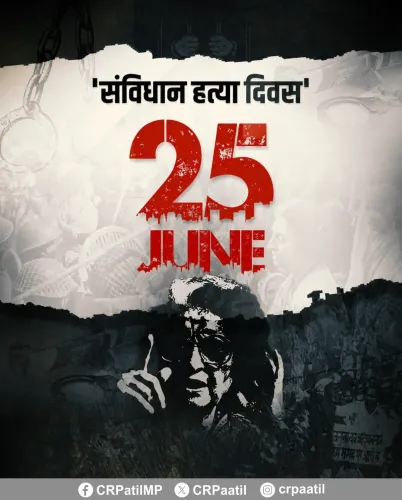
The day is observed by the BJP-led government as 'Samvidhan Hatya Diwas' (Constitution Murder Day).
The 1975–77 Emergency lasted 21 months , during which fundamental rights were curtailed and over one lakh people were detained without trial.
Pradhan saluted 'all guardians of democracy' for defeating what he called an authoritarian mindset.
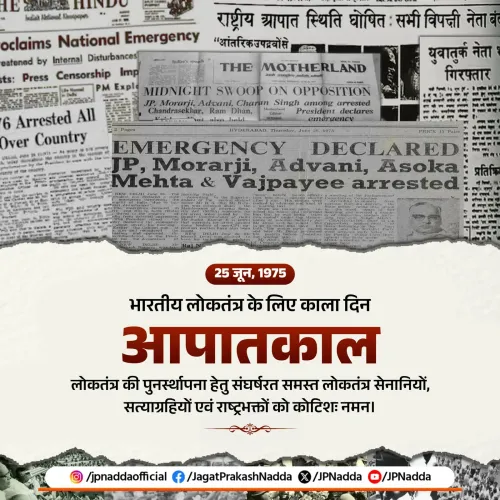
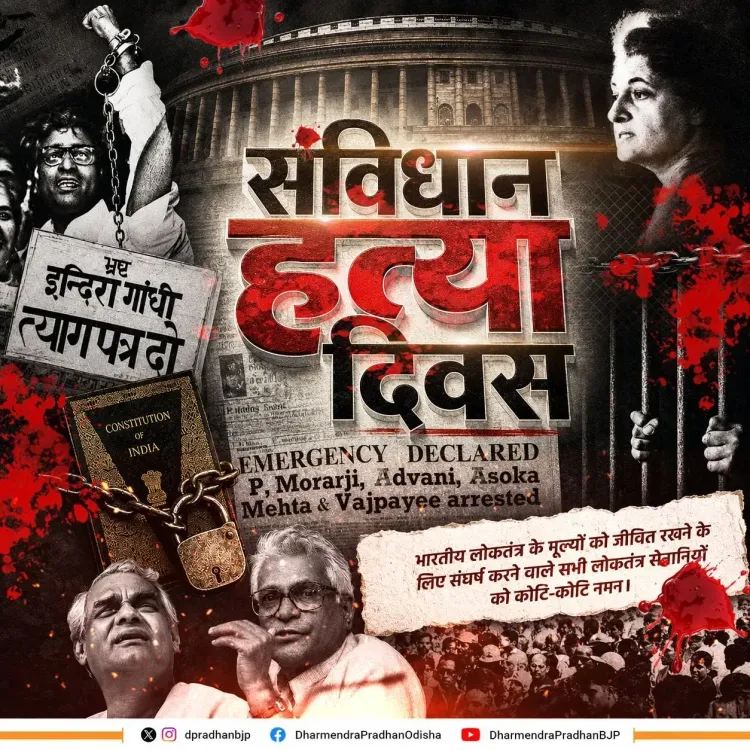
Union Education Minister Dharmendra Pradhan on Thursday, 25 June 2026 marked the anniversary of the 1975 Emergency as 'Samvidhan Hatya Diwas' (Constitution Murder Day), paying tribute to those who resisted what he called an assault on the Constitution, democracy, and civil rights by former Prime Minister Indira Gandhi and the Indian National Congress.
Context
Posting on X in Hindi, Pradhan wrote that the Emergency is 'that dark chapter of India's democratic history which the country can never forget.' He stated that on 25 June 1975, driven by attachment to power and dynastic interest, Indira Gandhi and the Congress 'struck at the Constitution, democracy, and citizens' rights.' He added that India's democratic strength ultimately 'defeated the authoritarian mindset,' proving that 'the voice of democracy can never be suppressed.'
Pradhan concluded by saluting 'the courage and dedication of all guardians of democracy' on 'Samvidhan Hatya Diwas', using the hashtag #SamvidhanHatyaDiwas.
Policy Backdrop
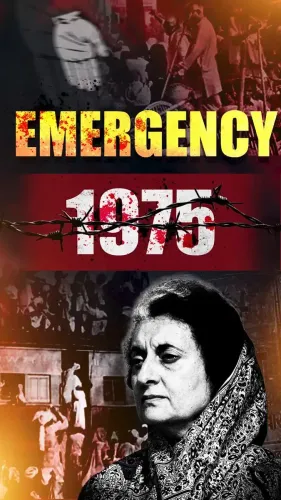
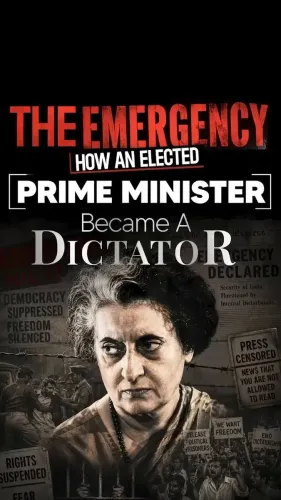
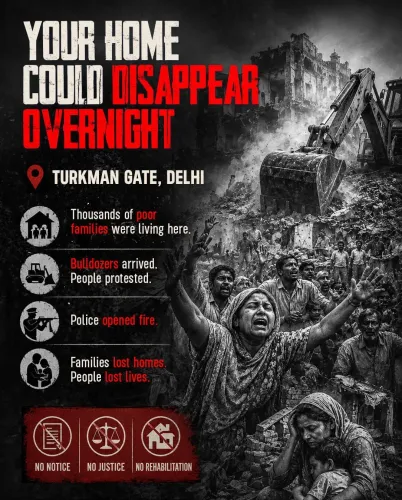
The national Emergency was imposed on 25 June 1975 under Article 352 of the Constitution, on the advice of then Prime Minister Indira Gandhi, who cited internal disturbance as the grounds. The 21-month period saw fundamental rights curtailed, press censorship enforced, and over one lakh people detained without trial under the Maintenance of Internal Security Act (MISA).
The Emergency was revoked on 21 March 1977, ahead of general elections that brought the Janata Party to power — a result widely read as a popular verdict against authoritarian rule. The designation 'Samvidhan Hatya Diwas' for 25 June has been adopted by the BJP-led dispensation to institutionalise annual remembrance of the suspension of constitutional rights.
Stakeholders and Impact
The commemoration draws a sharp political line between the BJP and the Congress, with the ruling party positioning itself as the custodian of democratic and constitutional values. Senior leaders across the BJP have historically used the Emergency anniversary to contrast their party's record with the Congress's conduct during 1975–77.
For ordinary citizens, the day serves as a reminder of a period when civil liberties — including freedom of the press and the right to personal liberty — were suspended by executive order. Opposition parties, particularly the Congress, have consistently contested the BJP's framing of the Emergency's causes and legacy.
What's Next
Responses from Congress leadership are likely, as the party has in past years pushed back against the BJP's narrative by defending Indira Gandhi's decision or questioning the government's own democratic record. Parliamentary references to constitutional values and historical accountability around this anniversary are also expected. The annual nature of this commemoration suggests it will continue to be a fixture in the BJP's political calendar as a contrast point with the principal opposition.
Point of View
Pradhan also ties the historical critique to contemporary electoral messaging against the Gandhi family's role in the Congress. The commemoration's regularity and the seniority of leaders who participate suggest this has become a durable pillar of the BJP's political identity architecture.
NationPress
25 Jun 2026
Frequently Asked Questions
What is Samvidhan Hatya Diwas?
'Samvidhan Hatya Diwas,' meaning Constitution Murder Day, is the designation used by the BJP-led government for 25 June to mark the anniversary of the 1975 Emergency imposed by Indira Gandhi, which suspended fundamental rights and press freedom for 21 months .
Why did Dharmendra Pradhan post about the Emergency on 25 June 2026?
Union Education Minister Dharmendra Pradhan posted on 25 June 2026 to mark the anniversary of the Emergency imposed on 25 June 1975 , condemning it as an attack on the Constitution and saluting those who resisted authoritarian rule.
When was the 1975 Emergency imposed and who imposed it?
The national Emergency was imposed on 25 June 1975 under Article 352 of the Constitution on the advice of then Prime Minister Indira Gandhi , who cited internal disturbance. It lasted until 21 March 1977 .
What happened during the 1975 Emergency in India?
During the 1975–77 Emergency , fundamental rights were curtailed, press censorship was imposed, and over one lakh people were detained without trial under the Maintenance of Internal Security Act (MISA). The Emergency ended ahead of the 1977 general elections , which the Congress lost.
How does the BJP use the Emergency anniversary politically?
The BJP and its leaders regularly use the 25 June anniversary to contrast their party's democratic record with the Congress's conduct during the 1975–77 Emergency , positioning the BJP as a defender of constitutional values and civil liberties.