White House Touts 12th Cabinet Meeting Wins on Drugs, Rents, Investment
Synopsis
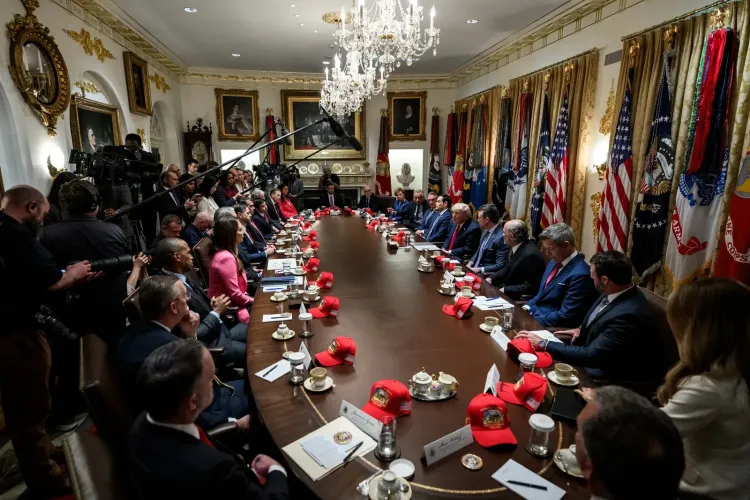
The White House on May 27, 2026, released highlights from its 12th Cabinet Meeting, pointing to falling prescription drug prices, declining rents, a 10.4 per cent rise in Q1 business investment, and tens of billions in fraud exposed as evidence of accelerated governance results.
Key Takeaways
The White House shared highlights from its 12th Cabinet Meeting on May 27, 2026 .
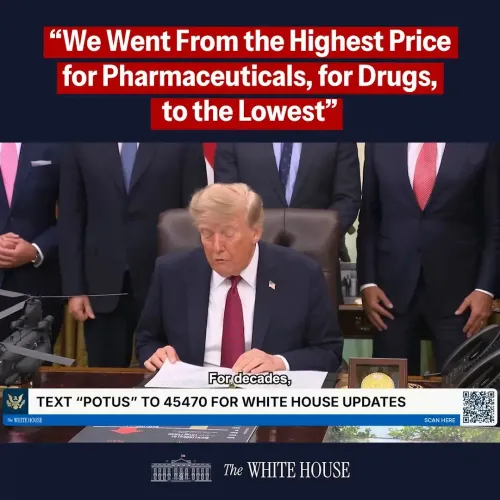
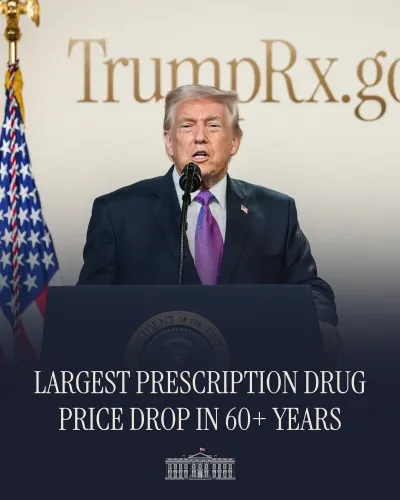
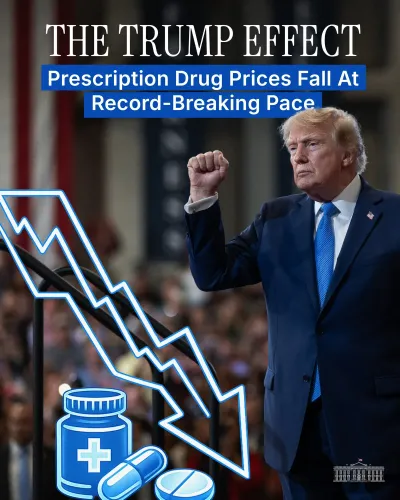
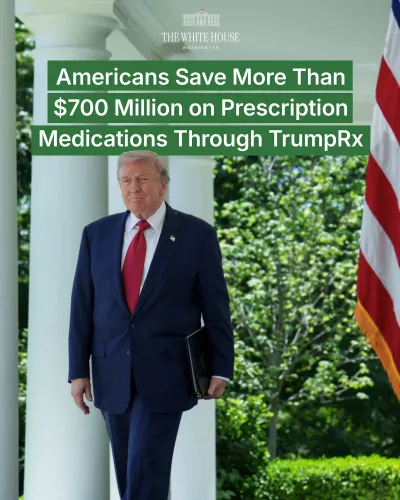
Prescription drug prices and rents were both described as falling.
Business investment rose 10.4 per cent in Q1 , per the administration's figures. 'Tens of billions' in fraud has been exposed, the White House stated.
The administration claimed to have achieved more in its current term than most administrations do in 8 years .
Next quarterly BEA data releases will provide independent verification of the cited economic figures.
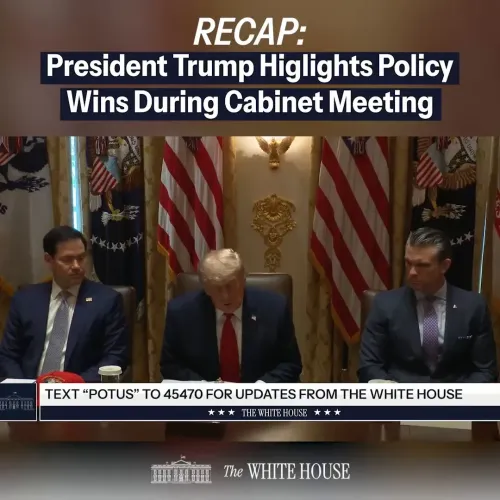
The White House on Wednesday, May 27, 2026, shared highlights from its 12th Cabinet Meeting, claiming achievements across prescription drug pricing, housing costs, business investment, and fraud recovery that it said surpass what 'most administrations do in 8 years.'
Context
The official White House account posted a summary of the Cabinet meeting, listing five headline outcomes: prescription drug prices described as 'plummeting,' rents as 'falling,' business investment up 10.4 per cent in Q1, strengthened global standing, and 'tens of billions' in fraud exposed. The post concluded with the declaration: 'RESULTS. With more on the way.'
Cabinet meetings bring together the heads of all executive departments to coordinate federal policy. The practice dates to President George Washington's administration in 1789, and White House communications teams across administrations have long used post-meeting summaries to highlight cross-cutting domestic and economic metrics for public audiences.
Policy Backdrop
Efforts to reduce prescription drug costs have featured in federal policy conversations across multiple administrations, encompassing regulatory reviews and negotiation mechanisms. The claim of falling drug prices, if borne out by independent data, would mark a significant shift in a sector where out-of-pocket costs have historically been a persistent concern for American households.
On housing, rental affordability has been a pressure point in the United States since the post-pandemic surge in costs. A sustained decline in rents would represent a material improvement for millions of renters. The Bureau of Economic Analysis compiles quarterly private fixed investment figures as a standard economic indicator; the administration's cited 10.4 per cent rise in Q1 business investment draws on this data series, though independent verification of the precise figure is pending.
Fraud recovery has also been a recurring theme in executive branch messaging, with waste-reduction initiatives surfacing across administrations as both a fiscal and political tool. The claim of 'tens of billions' in fraud exposed positions the current administration within that broader tradition of accountability-focused communication.
Stakeholders and Impact
The metrics cited directly affect four broad groups: patients dependent on prescription medications, renters navigating a tight housing market, business owners and investors tracking capital expenditure trends, and taxpayers with an interest in government waste reduction. Each constituency represents a significant political and economic bloc heading into the next phase of the administration's legislative calendar.
For India, where bilateral trade and investment ties with the United States are substantial, a sustained uptick in American business investment and a stable macroeconomic environment carry indirect implications for export demand, technology partnerships, and capital flows. Indian businesses and policymakers will watch subsequent quarterly data releases for confirmation of the trend.
What's Next
The next quarterly economic releases from the Bureau of Economic Analysis will provide the clearest independent check on the investment and cost figures cited by the White House. Congressional committees with oversight mandates are expected to scrutinise fraud-recovery claims, potentially scheduling hearings that could either validate or complicate the administration's narrative.
Subsequent Cabinet meetings will be closely watched to see whether the administration sustains this aggregated-metrics format as a regular communication vehicle — and whether the headline indicators continue to move in the direction the 12th Cabinet Meeting summary suggests.
Point of View
Investment, global standing, and fraud — reflects a well-established executive communication strategy of converting policy activity into digestible consumer-facing metrics. The explicit claim of outpacing 'most administrations in 8 years' is a direct pitch to voters who prioritise tangible economic outcomes over procedural governance. Until independent data sources confirm the cited figures, particularly the 10.4 per cent Q1 investment rise and the fraud totals, the post functions as political signalling as much as policy reporting. The format and tone suggest the administration is entering a phase of consolidating its domestic narrative ahead of the next legislative or electoral cycle.
NationPress
13 Oct 2026
Frequently Asked Questions
What were the highlights of the White House 12th Cabinet Meeting in 2026?
The White House cited five key outcomes: prescription drug prices falling, rents declining, business investment up 10.4 per cent in Q1, stronger global standing, and tens of billions in fraud exposed.
What is the US Q1 2026 business investment growth figure?
The White House stated that business investment grew by 10.4 per cent in the first quarter of 2026, drawing on Bureau of Economic Analysis data series, though independent confirmation is awaited.
Are prescription drug prices falling in the US in 2026?
The White House claimed prescription drug prices are 'plummeting,' but independent verification from federal health agencies or market data will be needed to confirm the scale and duration of any decline.
How much fraud has the US government recovered in 2026?
The White House said 'tens of billions' in fraud has been exposed, consistent with the administration's broader waste-reduction messaging, though specific recovery totals have not been independently verified.
Why does the White House hold cabinet meetings and publish highlights?
Cabinet meetings, a tradition dating to President George Washington in 1789, bring executive department heads together to coordinate policy. Publishing highlights is a standard communication tool used across administrations to inform the public of cross-cutting federal priorities.