White House: US Economy Crushes Forecasts With Strong October Jobs
Synopsis
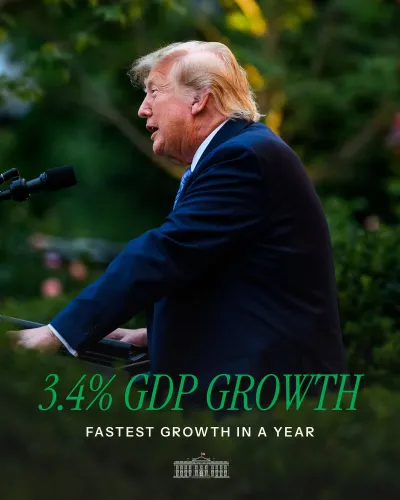
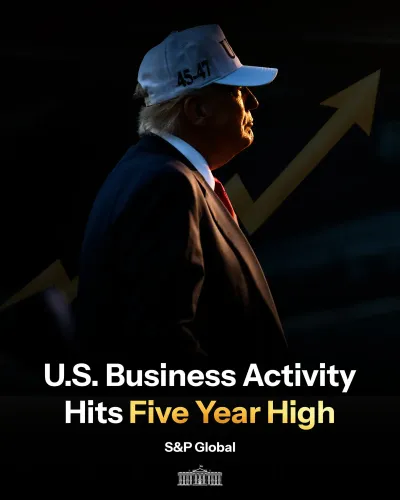
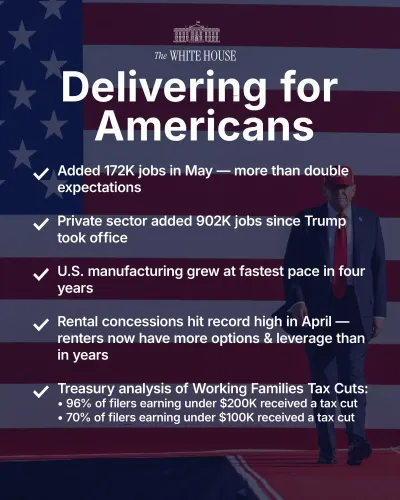
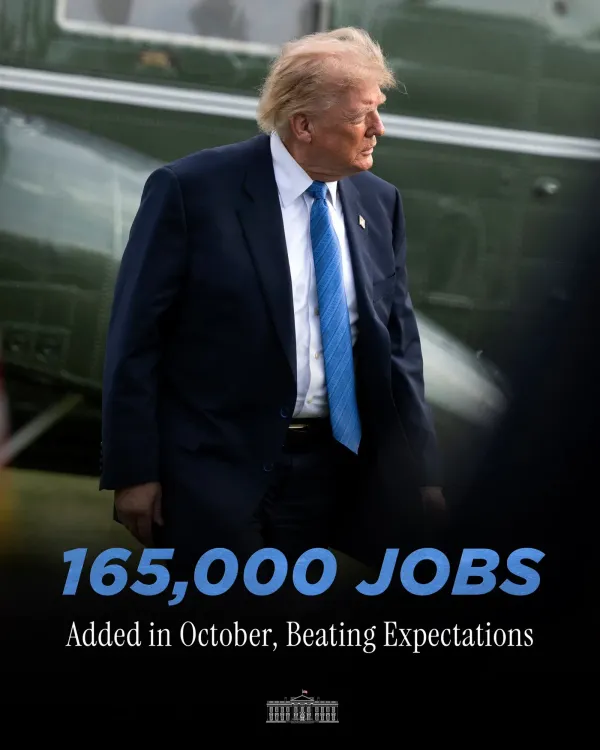
The White House announced Friday that the US economy 'again crushed economists' expectations' with very strong private sector job growth in October, crediting President Trump's second-term policies for a thriving labor force.
Key Takeaways
The White House posted on November 6, 2026 that US private sector job growth in October 2026 beat economists' forecasts.
The statement credited President Donald Trump directly, saying 'the labor force is thriving under President Trump.' The word 'again' in the post signals the White House is positioning October as part of a streak of above-forecast job prints.
This communication follows an established playbook from Trump's first term ( 2017–2019 ) of rapidly amplifying strong employment data.
The next Bureau of Labor Statistics report and any revision to October data will confirm whether the beat holds.
The world's largest economy delivered another upside surprise in October, with private sector job growth blowing past what economists had projected — and the White House wasted no time claiming the win for President Trump's second term.
The Official White House posted Friday, November 6, 2026, that 'the U.S. economy again crushed economists' expectations, with very strong private sector job growth in October,' adding that 'the labor force is thriving under President Trump.'
A beat-the-forecast moment the White House moved fast to own
Monthly jobs data is Washington's favourite economic scoreboard, and an administration that beats the consensus number moves even faster. The framing here is deliberate: 'again' signals this is not a one-off — it positions October's print as the latest in a streak of outperformance. The Bureau of Labor Statistics Employment Situation report is the standard source for such figures, with private payroll data from processors like ADP often serving as an early-week preview before the official Friday release.Trump's labor-market playbook, a term two rerun
This messaging follows a template road-tested during President Donald Trump's first term between 2017 and 2019, when the White House routinely amplified private-sector employment gains that exceeded Wall Street forecasts. The strategy is straightforward: anchor public perception to a strong headline number before any caveats — wage growth, labour-force participation rate, hours worked — can dilute the story. It is a pattern every modern administration has used, but Trump-era communications have historically been among the most aggressive in speed and tone.What the October number means for US workers and global markets
A stronger-than-expected jobs print carries real-world stakes well beyond political messaging. For US workers, it typically signals continued employer demand and wage-bargaining leverage. For global markets — including India's equity and currency desks, which watch Federal Reserve rate signals closely — a hot labour market can complicate any pivot toward rate cuts, keeping the dollar firm and emerging-market capital flows in play. The next revision to October data, due in subsequent BLS releases, will determine whether the beat holds or narrows. The scoreboard says 'beat.' Whether the full picture — participation, wages, hours — matches the headline is the question the next data drop will answer.Point of View
Raising the political stakes if any subsequent revision turns negative. For India and other emerging economies, a persistently hot US labor market is a double-edged signal — it validates global demand but also keeps Federal Reserve policy tight, sustaining dollar strength that pressures rupee and capital flows. The real test of the administration's economic credibility will come not from the headline number but from wages, participation rates, and whether the next two revisions hold the beat.
NationPress
6 Nov 2026
Frequently Asked Questions
What did the White House say about US jobs in October 2026?
The White House stated that the US economy 'again crushed economists' expectations' with very strong private sector job growth in October 2026, adding that the labor force is thriving under President Trump.
Which jobs report does the White House typically reference?
The White House typically references the Bureau of Labor Statistics Employment Situation report, the official monthly release that tracks total nonfarm payrolls, private sector hiring, unemployment rate, and wage growth.
How does a strong US jobs report affect India?
A stronger-than-expected US jobs report can delay Federal Reserve interest rate cuts, keeping the US dollar strong and putting pressure on the Indian rupee while also influencing foreign capital flows into Indian markets.
Did Trump also highlight jobs data during his first term?
Yes. During Trump's first term between 2017 and 2019, the White House regularly highlighted private-sector employment gains that exceeded Wall Street forecasts, following a similar rapid-response communications strategy.
What comes next after the October 2026 jobs report?
The Bureau of Labor Statistics will release subsequent monthly Employment Situation reports that will include revisions to the October figures, which will confirm whether the beat over forecasts holds or narrows.