Former Yemeni President Hadi dies at 80 in Riyadh
Synopsis
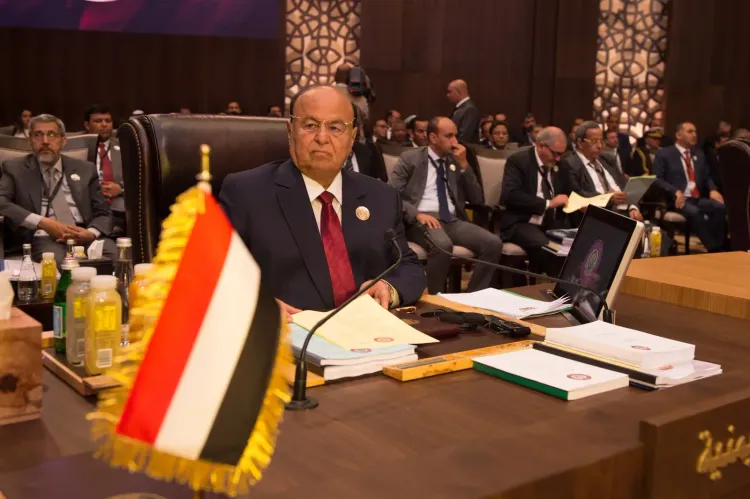
Abd-Rabbu Mansour Hadi — the exiled Yemeni president whose call for Saudi-led military intervention in 2015 set off one of the world's deadliest humanitarian crises — has died at 80 in Riyadh. His death closes a turbulent chapter in Yemen's history, but the war and the political fractures he leaves behind are far from over.
Key Takeaways
Former Yemeni President Abd-Rabbu Mansour Hadi died on 28 May 2025 at the age of 80 in a hospital in Riyadh, Saudi Arabia .
A family source confirmed he suffered a 'sudden health crisis in recent days' before his death.
Hadi assumed the presidency in February 2012 under a Gulf-backed transition following the Arab Spring resignation of Ali Abdullah Saleh .
His request for foreign intervention in March 2015 triggered the Saudi-led Arab coalition campaign against the Houthis.
In April 2022 , he transferred powers to an eight-member Presidential Leadership Council , effectively ending his formal governance role.
Yemen remains divided between Houthi -controlled northern territories and the internationally recognised government based in Aden .
Former Yemeni President Abd-Rabbu Mansour Hadi, whose decade-long tenure was defined by civil war, forced exile, and a fractured political transition, died on Thursday, 28 May at the age of 80 in Riyadh, Saudi Arabia, according to Yemeni state television and a source close to his family. A family source confirmed he passed away 'this morning in a hospital in Riyadh after experiencing a sudden health crisis in recent days.'
Who Was Hadi
Born on 1 September 1945 in the southern Yemeni province of Abyan, Hadi rose steadily through the military and political establishment, reaching the position of vice president in October 1994. He assumed the presidency in February 2012 under a Gulf-backed transition arrangement, following the resignation of longtime President Ali Abdullah Saleh amid the mass protests of the Arab Spring.
After taking office, Hadi launched what officials described as the most sweeping restructuring of Yemen's military and security institutions in the country's modern history, attempting to consolidate rival armed factions under a unified command.
The Houthi Advance and Forced Resignation
Yemen's political transition collapsed as Houthi forces advanced southward and seized key state institutions in the capital, Sanaa. In January 2015, Hadi submitted his resignation after Houthi fighters surrounded the presidential palace and placed him under house arrest. The following month, he escaped to the southern port city of Aden, withdrew his resignation, and called for foreign military intervention.
On 26 March 2015, a Saudi-led Arab coalition launched a military campaign against the Houthis at Hadi's request — a move that triggered one of the world's worst humanitarian crises, with tens of thousands of casualties and millions displaced over the years that followed.
Transfer of Power and Final Years
In April 2022, Hadi transferred his presidential powers to an eight-member Presidential Leadership Council, a move aimed at unifying anti-Houthi factions and reviving stalled peace negotiations. The transfer effectively ended his formal role in Yemeni governance.
Yemen has remained deeply divided, with the Houthis controlling Sanaa and much of northern Yemen, while the internationally recognised government continues to operate from Aden. Hadi spent much of his final years in Riyadh, where the Saudi government had hosted him throughout his exile.
Legacy and What Comes Next
Hadi's death marks the end of a consequential and deeply contested chapter in Yemeni history. Supporters credit him with holding the internationally recognised government together under extraordinary pressure; critics argue his decisions — particularly the invitation for coalition intervention — deepened the country's humanitarian catastrophe.
With the Presidential Leadership Council already in place, his passing is unlikely to alter the formal governance structure, though it removes a symbolic figurehead from Yemen's fractured political landscape. Peace efforts, largely stalled, are expected to continue under the existing council framework.
Point of View
Blockade, and famine. His transfer of power in 2022 was less a statesmanlike exit than an acknowledgement that his authority had long been nominal. The Presidential Leadership Council he leaves behind is fractious and externally dependent — hardly a stable foundation for peace. Yemen's tragedy did not begin with Hadi, but his decisions at critical junctures deepened it in ways that will outlast his death by generations.
NationPress
20 Sept 2026
Frequently Asked Questions
When and where did former Yemeni President Hadi die?
Abd-Rabbu Mansour Hadi died on 28 May 2025 in a hospital in Riyadh, Saudi Arabia, after suffering a sudden health crisis in the days prior. His death was confirmed by Yemeni state television and a source close to his family.
How old was Hadi and what was his background?
Hadi was 80 years old at the time of his death, having been born on 1 September 1945 in the southern Yemeni province of Abyan. He rose through the military and political ranks, serving as vice president from October 1994 before assuming the presidency in February 2012.
Why did Hadi resign in 2015 and what happened next?
Hadi submitted his resignation in January 2015 after Houthi forces surrounded the presidential palace and placed him under house arrest in Sanaa. He subsequently escaped to Aden, withdrew his resignation, and called for foreign intervention — prompting the Saudi-led Arab coalition to launch its military campaign on 26 March 2015.
What was the Presidential Leadership Council that Hadi formed?
In April 2022, Hadi transferred his presidential powers to an eight-member Presidential Leadership Council, designed to unify anti-Houthi factions and reinvigorate peace efforts. The council became the formal seat of Yemen's internationally recognised government, effectively ending Hadi's direct role in governance.
What is the current situation in Yemen following Hadi's death?
Yemen remains divided, with the Houthis controlling Sanaa and much of northern Yemen while the internationally recognised government operates from Aden. Hadi's death does not alter the existing governance structure under the Presidential Leadership Council, though it removes a symbolic figure from the political landscape.