ISI Adapts Strategies: Youth Recruited into Espionage with Incentives

Synopsis
Recent investigations reveal a troubling trend where the ISI is increasingly recruiting juveniles for espionage activities in India. This shift in tactics raises significant concerns about the exploitation of young individuals in intelligence operations.
Key Takeaways
Juvenile recruitment by ISI is increasing.
Legal protections make it easier to exploit youth.
Financial incentives attract vulnerable individuals.
Potential risks include involvement in terrorism.
Awareness is critical to prevent exploitation.
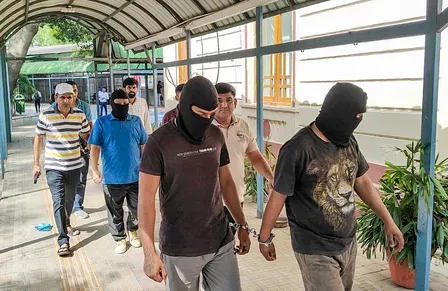
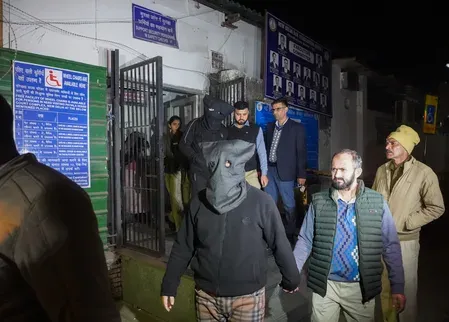
New Delhi, April 9 (NationPress) In recent months, a series of arrests has unfolded regarding an alleged espionage operation in India, purportedly backed by the Pakistan Inter-Service Intelligence (ISI). Investigators report that an extensive network of operatives has been established to collect intelligence on both public spaces and military facilities.
Authorities indicate that while Pakistan's intelligence agency has historically sought to recruit assets within India, its tactics are now shifting. A concerning aspect of this latest operation is the notable involvement of numerous juveniles.
“The recruitment of juveniles presents several strategic advantages,” an official stated.
A juvenile is identified as anyone under the age of 18, as defined by the Juvenile Justice (Care and Protection of Children) Act, or JJ Act. These individuals are exempt from incarceration in standard prisons or police detention centers, ensuring their identity remains confidential. Although a 2015 amendment allows for those aged 16 to 18 charged with serious crimes to be tried as adults following a mental and physical assessment, they cannot receive life sentences or the death penalty.
The ISI seems to be capitalizing on the stipulations of the JJ Act to recruit young individuals for espionage activities. This network also encompasses adult operatives who mentor and oversee the juveniles in fulfilling their assigned roles.
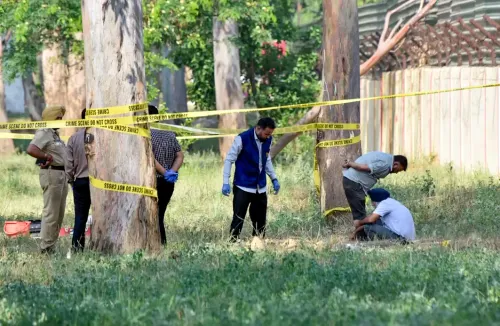
Further revelations regarding the involvement of juveniles surfaced during the investigation of a module allegedly orchestrated by Meerut-based operative Suhel Malik. He is believed to have assembled a group of 21 individuals, including nine juveniles. Their assignments included the installation of closed-circuit television (CCTV) cameras at railway stations and security installations in Sonipat, Delhi, and surrounding areas. The goal, according to investigators, was to transmit live feeds to ISI-affiliated handlers in Pakistan.
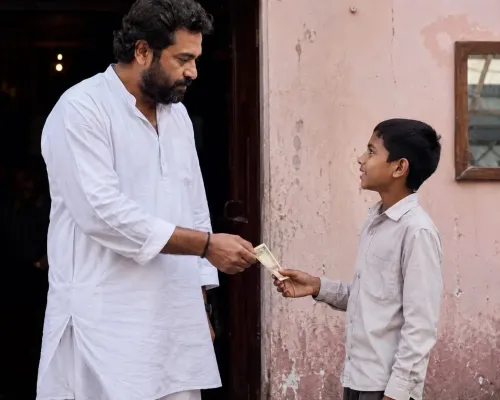
By exploiting the legal protections granted to juveniles, ISI-affiliated handlers found it easier to recruit and manage these young individuals. Investigators noticed a trend where many were enticed with small sums of money. Several recruits, aged 16 to 17, were already grappling with substance abuse issues, and the payments were adequate to satisfy their needs.
An official noted that juveniles are often attracted to the allure of power and the sense of belonging to a group. Malik reportedly persuaded them that they were contributing to a powerful organization and that their actions would elevate their status.
“This became a significant selling point, leading many to succumb to the idea,” the official added.
They were led to believe that placing CCTV cameras in sensitive areas was part of a substantial operation, which captivated their interest and motivated them to execute the tasks.
Another official mentioned that some of the juveniles were later informed that they were working for the ISI and not a criminal organization. “This distinction mattered little to them, as the financial incentives they received, much of which went towards drugs, were their primary concern,” the official noted.
Investigators also observed that the extensive use of mobile phones and the internet facilitated communication. The recruits were integrated into online groups such as “Lawrence Bishnoi007”, which provided them with a sense of identity and influence. Being part of such groups reinforced their belief that they were engaged in something significant.
An Intelligence Bureau official stated that the ISI is likely to persist with this recruitment strategy. The involvement of juveniles may extend beyond espionage, potentially drawing them into terrorist organizations and assigning them roles in attacks.
“They may also be extensively utilized to provide logistical support for these activities,” the official cautioned.
Point of View
It's imperative to highlight the gravity of the situation where vulnerable juveniles are being manipulated into espionage. This trend not only poses national security risks but also raises ethical concerns about the exploitation of young individuals. A nation-first approach requires vigilance in safeguarding our youth from such predatory tactics.
NationPress
13 Oct 2026
Frequently Asked Questions
What is the role of juveniles in the ISI espionage network?
Juveniles are being recruited to carry out espionage tasks due to legal protections that shield their identities and prevent severe penalties.
How does the Juvenile Justice Act affect the prosecution of young recruits?
The act limits the punishment for juveniles, preventing life sentences or the death penalty, which makes them attractive targets for recruitment.
What methods are used to recruit these young individuals?
Recruiters often lure juveniles with financial incentives and the promise of belonging to a powerful group.
What are the potential risks of this recruitment strategy?
This strategy could lead to increased juvenile involvement in not only espionage but also terrorist activities.
How can the public help address this issue?
Raising awareness about the tactics used by organizations like the ISI can help prevent young individuals from being exploited.