Khalistan networks groom juveniles for grenade attacks, mirror Mumbai underworld tactics
Synopsis
Intelligence officials have flagged a calculated shift in Khalistan-linked terror tactics: recruiting Class 12 students to carry out grenade attacks and murders, deliberately exploiting the legal protections India's juvenile justice framework affords minors. The ISI-backed strategy mirrors what the Mumbai underworld pioneered decades ago — and officials warn it is succeeding.
Key Takeaways
Khalistan -linked terror networks are recruiting Class 12 students and other juveniles across Punjab for low-cost attacks, officials have warned.
The strategy deliberately exploits the Juvenile Justice (Care and Protection of Children) Act, 2015 , which grants minors anonymity and trial before the Juvenile Justice Board .
On 6 May , a Class 12 student was detained in Chandigarh , allegedly en route to Tarn Taran to commit a murder at the behest of overseas gangsters Prabh Dasuwal and Gurvinder Singh alias Afridi Tootawala .
Officials say juveniles complete assigned tasks 'at least 90 per cent of the time' due to low suspicion levels and limited understanding of consequences.
ISI -backed elements are reportedly directing recruits to carry grenades in school bags for strikes at designated targets.
Recruiters are reportedly exploiting Punjab's drug crisis as a primary entry point for radicalisation and recruitment.
Terror and criminal networks operating under the Khalistan banner are increasingly recruiting juveniles — including boys still in Class 12 — to carry out low-cost, high-success attacks across Punjab, intelligence officials have warned. The strategy, according to officials, deliberately mirrors the model once used by the Mumbai underworld to exploit legal protections afforded to minors under Indian law.
Why Juveniles Are Being Targeted
Intelligence and police officials say these syndicates are exploiting multiple structural advantages that juveniles offer. Under the Juvenile Justice (Care and Protection of Children) Act, 2015, any person under the age of 18 is classified as a juvenile and is entitled to anonymity, with trials conducted by the Juvenile Justice Board based on mental capacity and circumstances. Children above the age of 7 who commit heinous offences fall under this framework.
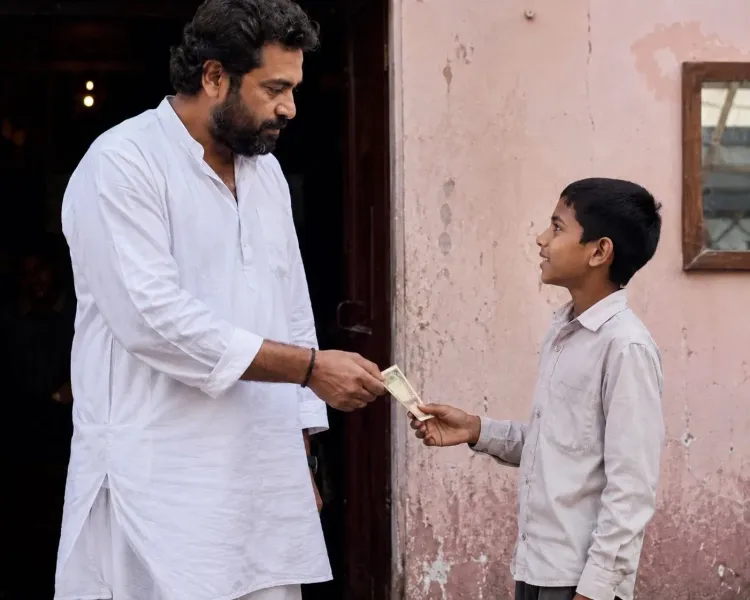
Beyond legal protections, officials note that school- or college-going boys rarely attract the attention of law enforcement. 'A school or college going boy hardly ever is a suspect,' one official explained, adding that their low profile makes them the preferred choice for recruiters. Officials further noted that juveniles of such young ages 'hardly ask any questions', their payments are minimal, and — critically — they often do not fully grasp the consequences of their actions. According to officials, this combination means such recruits complete assigned tasks 'at least 90 per cent of the time.'
The Chandigarh Case: Class 12 Student Intercepted
A concrete illustration of this pattern emerged on 6 May, when a Class 12 student was detained by police in Chandigarh after being found allegedly en route to Tarn Taran to carry out a murder. Investigations revealed the student had been in contact with overseas-based gangsters Prabh Dasuwal and Gurvinder Singh alias Afridi Tootawala through social media.
According to investigators, the gangster network identified that the student had a personal dispute and was seeking revenge. The network exploited this grievance, grooming him over time to carry out a murder targeting a rival of the gang. Officials described the case as emblematic of how personal vulnerabilities are weaponised for recruitment.
Grenade Attacks: The Latest Modus Operandi
Beyond targeted killings, officials say the push to recruit juveniles is now explicitly linked to a wave of grenade attacks being orchestrated by ISI-backed Khalistani elements. The tactic involves recruiting a student, instructing him to carry a grenade in his school bag, and directing him to hurl it at a pre-designated location. The low profile of the carrier is central to the plan's design — officials say such a person 'would hardly come under scrutiny', making the probability of a successful strike very high.
This comes amid a broader pattern of low-intensity explosions being used by Khalistan-linked syndicates to keep Punjab 'on the boil', as officials describe it, while the overarching political objective remains the push for a separate Khalistan nation carved out of India's Punjab.
The ISI-Khalistan Nexus and the Drug Connection
Intelligence officials point to Pakistan's ISI as the key external driver, asserting that it has over the past couple of years been systematically pushing Khalistan outfits to intensify strikes in Punjab. Recruiters are reportedly exploiting the state's severe drug crisis as an entry point, using addiction and financial desperation to draw young men into criminal-terror networks.
Intercepts picked up by agencies reportedly contain explicit instructions from recruiters to 'spot juveniles and rope them into their networks', according to an Intelligence Bureau official. The deliberate targeting of minors is described as a calculated strategy to exploit gaps in the law rather than an incidental outcome.
With intelligence agencies now tracking this shift in tactics, the pressure on Punjab Police and central agencies to develop juvenile-specific counter-radicalisation frameworks is expected to intensify in the weeks ahead.
Point of View
They are reading the statute book. The Juvenile Justice Act's anonymity provisions and lighter sentencing were designed to protect vulnerable children, not to be reverse-engineered as operational cover for terror. What is missing from the current response is any serious juvenile-specific counter-radicalisation infrastructure in Punjab; the state's answer has largely been police interception after the fact. The drug-to-recruitment pipeline is also underappreciated: so long as Punjab's addiction crisis remains structurally unaddressed, the supply of vulnerable recruits will not dry up regardless of how many individual cases are intercepted. The ISI's shift toward juveniles is also a signal of operational maturity — it suggests the higher-profile adult recruiter pipeline is under enough pressure that handlers are being forced down the age curve.
NationPress
7 Oct 2026
Frequently Asked Questions
Why are Khalistan networks specifically targeting juveniles in Punjab?
Khalistan-linked networks are targeting juveniles to exploit legal protections under the Juvenile Justice (Care and Protection of Children) Act, 2015, which grants minors anonymity and lighter sentencing. Officials also note that school-going boys attract minimal law enforcement scrutiny, rarely ask questions about their assignments, and are paid very little — making them operationally low-cost and low-risk for the networks.
What happened in the Chandigarh case on 6 May?
A Class 12 student was detained by police in Chandigarh on 6 May after being found allegedly on his way to Tarn Taran to carry out a murder. Investigations revealed he had been groomed by overseas-based gangsters Prabh Dasuwal and Gurvinder Singh alias Afridi Tootawala through social media, who exploited a personal dispute to recruit him.
How are juveniles being used in grenade attacks in Punjab?
According to officials, ISI-backed Khalistani elements are instructing juvenile recruits to carry grenades in their school bags and hurl them at pre-designated targets. The tactic relies on the low suspicion profile of a student, which officials say makes such strikes highly likely to succeed.
What role does Pakistan's ISI play in Punjab's terror recruitment?
Intelligence officials assert that Pakistan's ISI has been systematically directing Khalistan outfits to escalate attacks in Punjab over the past couple of years, with the broader goal of stoking instability in support of a separate Khalistan nation. ISI-linked handlers are reportedly issuing explicit instructions to recruit juveniles, according to intercepts picked up by Indian agencies.
How are drug networks connected to Khalistan recruitment in Punjab?
Officials say terror and gangster networks are exploiting Punjab's widespread drug problem as a primary recruitment channel, targeting young men made vulnerable by addiction and financial desperation. The drug crisis effectively functions as a feeder pipeline into the criminal-terror ecosystem.