UDAN next phase: 21 states sign MoUs, 100 new airports and 4 crore passengers targeted

Synopsis
The UDAN scheme is entering its most ambitious phase yet — 21 states have signed on, 100 new airports and 200 helipads are on the drawing board, and a new Challenge Mode promises to cut airport construction time almost in half. With a 10-year extension and a four-crore-passenger target, this is a structural bet on making regional air travel a mainstream Indian reality.
Key Takeaways
21 states and Union Territories have signed MoUs with the Civil Aviation Ministry under the next phase of the UDAN scheme.
The scheme has been extended for 10 years , with targets of 100 new airports , 200 modern helipads , and 4 crore passengers .
A new Challenge Mode will fast-track airport construction to an 18-month target, down from the earlier 2-3 years .
Over 80 airports have been built under UDAN so far, benefiting nearly 1.54 crore passengers .
VGF support extended from 3 years to 5 years ; aviation jobs expected to grow from 7 million to over 20 million by 2040 .
SpiceJet remains under DGCA scrutiny; the airline earlier received ₹150 crore under the ECLGS .
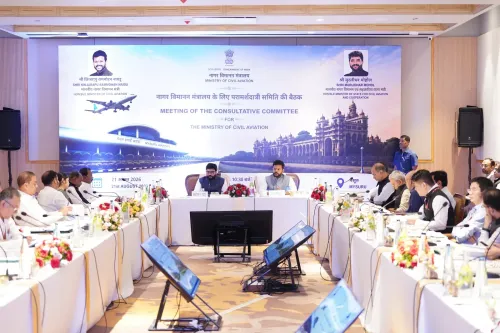
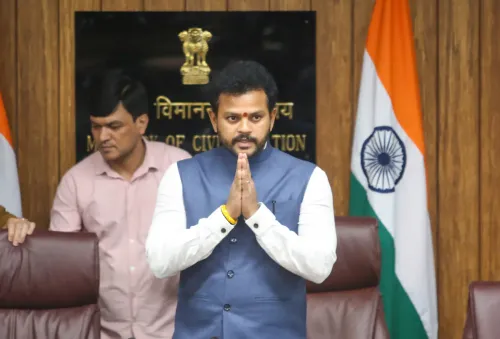
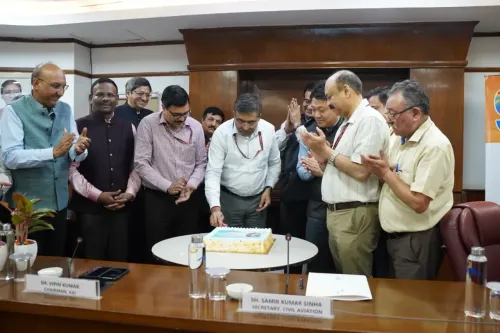
Civil Aviation Minister Rammohan Naidu on Tuesday, 22 September announced that 21 states and Union Territories have signed Memoranda of Understanding with the Civil Aviation Ministry under the next phase of the UDAN (Ude Desh ka Aam Naagrik) scheme in New Delhi. The signing ceremony also marked the launch of a new Challenge Mode under the upcoming UDAN phase and the release of bidding round documents.
Scale of the Next Phase
The government has extended the UDAN scheme for another 10 years, with an ambitious plan to construct 100 new airports and 200 modern helipads across the country. The next phase targets facilitating air travel for four crore UDAN passengers, significantly scaling up the scheme's reach beyond its current footprint.
Naidu described UDAN as 'one of the most revolutionary schemes in the country,' crediting it with propelling regional air connectivity to previously underserved areas. More than 80 airports have been built over the past decade under the modified UDAN, extending affordable air travel to nearly 1.54 crore passengers.
Challenge Mode and Faster Construction
Under the newly launched Challenge Mode, airport projects will be prioritised and fast-tracked, with construction timelines cut to a target of 18 months — down sharply from the earlier average of two to three years. This structural change is aimed at accelerating infrastructure delivery and reducing bureaucratic bottlenecks that have historically delayed regional airport projects.
The minister also announced that Viability Gap Funding (VGF) support will be provided in a tapered manner, with the support period extended from three years to five years, offering airlines greater financial runway on new routes.
Jobs, Airlines, and State Partnerships
India's aviation sector currently supports over 7 million jobs, a figure the government expects to grow to more than 20 million by 2040. Naidu urged states to engage more actively with smaller airlines, noting that regional carriers need a 'nudge' to scale. 'Smaller airlines want to grow rapidly; they want a nudge,' the minister said.
He stressed that states — more than the Centre — must drive partnerships with regional airlines, and can work on smaller models to support their growth. Naidu added that the government's goal is to create more airlines in India, urging state governments to help bring groups together to launch new carriers.
SpiceJet Under DGCA Watch
Separately, the minister confirmed that the Directorate General of Civil Aviation (DGCA) is maintaining tight scrutiny over the operations and finances of low-cost carrier SpiceJet to ensure no lapse in safety standards. He noted that the Centre had earlier extended support through the Emergency Credit Line Guarantee Scheme (ECLGS) during challenging industry conditions — including headwinds from the West Asia crisis — under which ₹150 crore was disbursed to the airline.
With 21 states already on board and bidding documents now in circulation, the next UDAN phase enters a critical execution window that will test whether ambitious airport targets translate into operational routes on the ground.
Point of View
But the gap between signed MoUs and operational routes has historically been wide — earlier UDAN phases saw a significant number of routes lapse after initial launches due to commercial unviability. The Challenge Mode's 18-month construction target is bold, but past airport projects have overrun timelines repeatedly, and staffing, air traffic control, and airline interest on thin routes remain unresolved structural problems. The VGF extension from three to five years is a pragmatic acknowledgement that these routes are not yet commercially self-sustaining. The real test will be whether the 21 states that signed MoUs follow through with land acquisition, ground infrastructure, and state-level incentives — without which the 100-airport target risks becoming another aspirational headline.
NationPress
22 Sept 2026
Frequently Asked Questions
What is the next phase of the UDAN scheme?
The next phase of the UDAN (Ude Desh ka Aam Naagrik) scheme is a 10-year extension of India's regional air connectivity programme, targeting the construction of 100 new airports and 200 modern helipads and aiming to facilitate travel for four crore passengers. It was announced on 22 September at an MoU signing ceremony in New Delhi.
How many states have signed MoUs under the new UDAN phase?
As many as 21 states and Union Territories have signed MoUs with the Civil Aviation Ministry under the next phase of UDAN, as announced by Civil Aviation Minister Rammohan Naidu on 22 September.
What is the Challenge Mode under the new UDAN phase?
The Challenge Mode is a new mechanism under the upcoming UDAN phase designed to prioritise and fast-track airport projects, cutting construction timelines to a target of 18 months from the earlier average of two to three years. Bidding round documents for this mode were released at the 22 September event.
What is the government's plan to support airlines under UDAN?
The government has extended Viability Gap Funding support from three years to five years to give airlines greater financial stability on new regional routes. Civil Aviation Minister Naidu also urged states to actively partner with smaller airlines and help create new carriers, saying smaller airlines need a 'nudge' to grow rapidly.
Why is SpiceJet under DGCA scrutiny?
The DGCA is maintaining tight oversight of SpiceJet's operations and finances to ensure no lapse in safety standards, according to Civil Aviation Minister Rammohan Naidu. The airline had earlier received ₹150 crore under the Emergency Credit Line Guarantee Scheme during difficult industry conditions including disruption from the West Asia crisis.