Uttarakhand CMO: 3.14 Cr Rural Families Get Property Cards
Synopsis
The Uttarakhand Chief Minister's Office announced that over 3.14 crore rural families have received property cards under the SVAMITVA Scheme, citing the milestone as part of the #12YearsOfGaribKalyan campaign. The scheme uses drone surveys to formalise rural land ownership and enable credit access.
Key Takeaways
The Uttarakhand CMO shared that more than 3.14 crore rural families across India have received property cards.
The milestone is highlighted under the #12YearsOfGaribKalyan campaign marking twelve years of central welfare programmes.
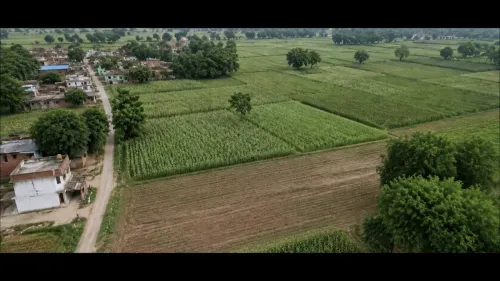
Property cards are issued under the SVAMITVA Scheme , launched in 2020 , using drone-based surveys to map rural land parcels.
The scheme enables rural households to use property documents as collateral for institutional bank credit.
Implementation involves village panchayats and state revenue departments, with hill states like Uttarakhand facing additional logistical challenges.
The SVAMITVA Scheme builds on the Digital India Land Records Modernization Programme initiated in 2008 .
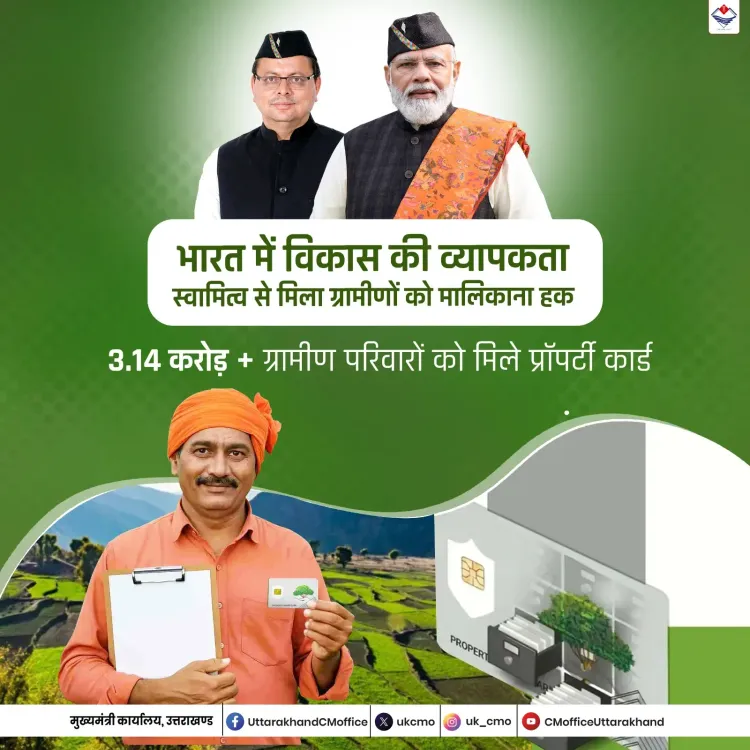
The Chief Minister's Office of Uttarakhand on Friday, 12 June 2026 highlighted a landmark milestone under the central government's rural welfare drive, stating that more than 3.14 crore rural families across India have received property cards — a key deliverable under the SVAMITVA Scheme. The announcement was made in the context of the #12YearsOfGaribKalyan campaign, marking twelve years of the Garib Kalyan welfare umbrella.
Context
The post, shared by the official Uttarakhand CMO handle, states in Hindi: '3.14 करोड़+ ग्रामीण परिवारों को मिले प्रॉपर्टी कार्ड' — meaning 'More than 3.14 crore rural families have received property cards.' The figure is cited as part of the broader #12YearsOfGaribKalyan campaign, which aggregates achievements across central welfare programmes targeting India's poor.
Property cards under the SVAMITVA Scheme serve as formal ownership documents for residential land in rural areas, giving households a legally recognised record that was previously absent from official land registries. This formalisation is significant in a country where a large share of rural properties historically lacked documented titles.
Policy Backdrop
The SVAMITVA (Survey of Villages and Mapping with Improvised Technology in Village Areas) Scheme was launched in 2020 using drone-based surveys to map rural land parcels and issue property cards to eligible households. It operates under central funding with state-level implementation, making Uttarakhand — a hill state with complex terrain and dispersed habitations — a notable participant in the programme.
The scheme builds on the Digital India Land Records Modernization Programme (DILRMP), initiated in 2008, which sought to computerise rural land records and reduce ownership disputes. SVAMITVA deepens that effort by extending formal documentation to previously unmapped village properties, enabling residents to use their cards as collateral for institutional credit.
The Garib Kalyan umbrella encompasses a range of central welfare initiatives — spanning food security, housing, sanitation, and now land record formalisation — that successive governments have expanded over the past decade. Marking twelve years of this framework signals an attempt to consolidate and publicise cumulative outcomes across these programmes.
Stakeholders and Impact
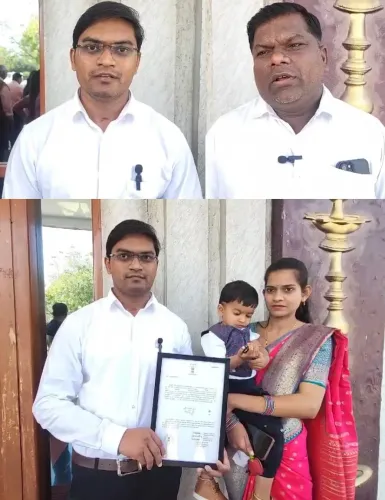
The primary beneficiaries are rural households across India, particularly those in villages where land ownership was informal or disputed. A property card reduces litigation risk, provides a basis for bank loans, and integrates families into the formal property ecosystem for the first time.
Village panchayats play a central role in implementation, as local governance bodies coordinate with state revenue departments and the central Survey of India for drone mapping and record verification. In hill states such as Uttarakhand, logistical challenges — including difficult terrain and scattered settlements — make saturation of the scheme a more complex undertaking than in plains states.
Broader economic implications include increased access to institutional credit for rural borrowers, potential reduction in property-related civil disputes, and improved municipal planning through accurate land records. Analysts have noted that formalising rural land tenure is a foundational step toward rural financial inclusion.
What's Next
Attention will now turn to state-level completion reports from Uttarakhand on how close the state is to full saturation under SVAMITVA, and whether parliamentary updates will set revised national targets for property card distribution. The #12YearsOfGaribKalyan campaign is likely to continue generating data-driven posts across government handles, building a cumulative narrative ahead of future electoral cycles. Advocates for rural land rights will watch whether the pace of card issuance accelerates in states where coverage remains partial.
Point of View
Using cumulative welfare statistics to reinforce a narrative of inclusive governance. Highlighting the SVAMITVA milestone connects land formalisation — a structural reform — to the broader Garib Kalyan welfare arc, lending it political salience beyond routine programme updates. The 3.14 crore figure, if accurate, would represent one of the largest rural land titling exercises in the world, placing India alongside major land reform efforts in other developing economies. For Uttarakhand specifically, the post signals the state's alignment with the central government's rural digitalisation agenda at a time when hill-state governance capacity is under scrutiny.
NationPress
21 Sept 2026
Frequently Asked Questions
What is the SVAMITVA Scheme and how does it work?
The SVAMITVA Scheme, launched in 2020, uses drone surveys to map rural residential land parcels and issue formal property cards to households, giving them legally recognised ownership documents for the first time.
How many families have received property cards under SVAMITVA?
According to the Uttarakhand CMO's post on 12 June 2026, more than 3.14 crore rural families across India have received property cards under the scheme.
What is the Garib Kalyan welfare programme?
Garib Kalyan is an umbrella framework of central government welfare initiatives targeting India's poor, covering areas such as food security, housing, sanitation, and land record formalisation. The #12YearsOfGaribKalyan campaign marks twelve years of this framework.
What are the benefits of a rural property card?
A property card provides a formal ownership record for rural residential land, reduces the risk of property disputes, and allows households to use the document as collateral to access institutional bank loans.
Is the SVAMITVA Scheme being implemented in Uttarakhand?
Yes, Uttarakhand is among the states implementing the SVAMITVA Scheme, though the hilly terrain and dispersed settlements present additional logistical challenges compared to plains states.