322 Meghalaya villages flagged for focused JJM action in Phase 2 review
Synopsis
Meghalaya's JJM review exposed a telling gap: 87% of villages get regular water supply, but only 71.74% meet adequacy standards. With 322 villages now flagged for priority action and Phase II on the horizon, the state is shifting from counting tap connections to measuring whether those taps actually work — a harder, more honest benchmark.
Key Takeaways
Meghalaya CM Conrad K.
Sangma reviewed Jal Jeevan Mission implementation on 18 August , flagging 322 villages for focused intervention.
Only 71.74% of villages met required water adequacy standards, despite 87.32% receiving regular supply.
79.23% of villages have daily water access, revealing a gap between connection coverage and actual service quality.
A State Improvement Plan is being developed covering infrastructure repair, O&M requirements, and long-term sustainability.
The state is preparing for Jal Jeevan Phase II , with emphasis on functionality and service delivery over connection numbers.
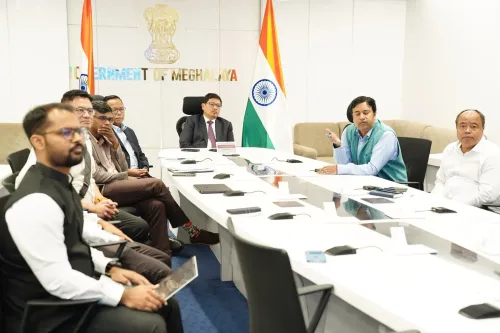
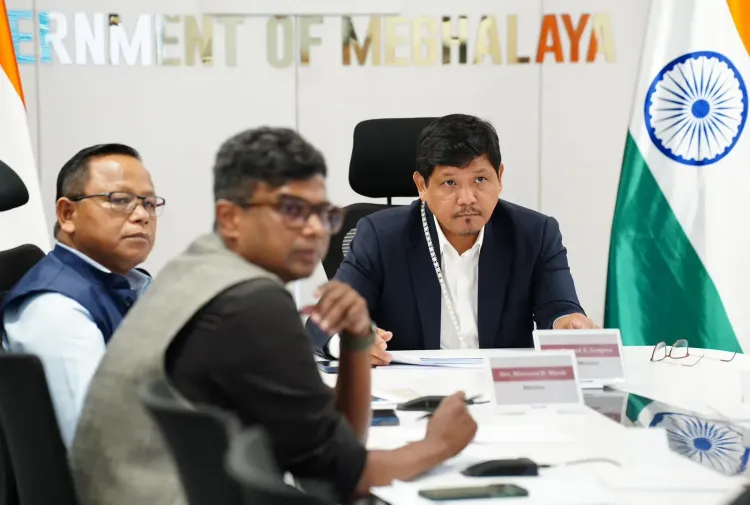
Meghalaya Chief Minister Conrad K. Sangma on Tuesday, 18 August chaired a comprehensive review of the Jal Jeevan Mission (JJM) in the state, flagging 322 villages that require focused intervention to improve the reliability of household tap water supply. The review also assessed the state's readiness for Jal Jeevan 2.0, the mission's second phase.
Key Findings from the Review
The assessment presented to senior officials of the Public Health Engineering (PHE) Department and the JJM Meghalaya team revealed a layered picture of water access. While 87.32 per cent of villages in the state receive regular water supply and 79.23 per cent have daily access, only 71.74 per cent of villages met the required adequacy standards. This gap points to shortfalls in both the quantity and consistency of water reaching households.
Notably, the review deliberately shifted focus from reported coverage figures to the actual functioning of household tap connections — a methodological change that surfaced a more accurate, and more challenging, ground reality.
What Chief Minister Sangma Said
'We have identified 322 villages requiring focused attention,' Sangma said in a post on X following the meeting. He underscored that the government's commitment extends beyond installing tap connections to ensuring those connections deliver dependable, consistent water supply to every household.
State Improvement Plan and Infrastructure Gaps
Officials examined the causes behind non-functional tap connections and the operational challenges affecting existing water supply schemes. A State Improvement Plan is being developed to address these shortcomings through repair and retrofitting of infrastructure, meeting operation and maintenance (O&M) requirements, and securing the long-term sustainability of rural water supply systems.
This is not the first such assessment — an earlier review of JJM implementation in Meghalaya had examined household tap connection status across blocks and districts. The current exercise builds on that baseline, with sharper district- and block-level diagnostics.
Challenges Unique to Meghalaya
The state faces compounding difficulties in expanding piped drinking water access: difficult terrain, dispersed rural settlements, and the high cost of infrastructure maintenance make Meghalaya's JJM implementation structurally harder than in plains states. The identification of the 322 priority villages is designed to help the government concentrate resources where the reliability gap is most acute.
What Comes Next
With preparations for Jal Jeevan Phase II underway, the state government is expected to place greater emphasis on sustainability, service delivery quality, and long-term functionality of rural water systems rather than connection count alone. The State Improvement Plan is expected to guide prioritised interventions in the flagged villages ahead of the next phase rollout.
Point of View
JJM's political optics have long rested on connection counts, but Meghalaya's review is a rare instance of a state government publicly acknowledging the gap between a tap installed and a tap that works. The 322-village list is a useful diagnostic, but the harder question is whether the State Improvement Plan will be funded and monitored with the rigour the terrain demands. Meghalaya's hills are unforgiving; so is deferred maintenance.
NationPress
3 Oct 2026
Frequently Asked Questions
What is the Jal Jeevan Mission and why is Meghalaya reviewing it?
The Jal Jeevan Mission (JJM) is a central government programme aimed at providing piped drinking water to every rural household in India. Meghalaya is reviewing its implementation to assess whether existing tap connections are actually delivering reliable water supply, and to prepare for the mission's second phase.
Why were 322 villages specifically flagged in Meghalaya?
These 322 villages were identified as requiring focused intervention because they fall short on water supply reliability or adequacy. The review found that only 71.74% of villages statewide meet required adequacy standards, and the flagged villages represent the most critical gaps needing prioritised attention.
What do the water supply statistics from the Meghalaya JJM review show?
The review found that 87.32% of villages receive regular water supply and 79.23% have daily access, but only 71.74% meet the required adequacy standards — indicating that many households with tap connections are not receiving sufficient or consistent water.
What is the State Improvement Plan being developed by Meghalaya?
The State Improvement Plan is a framework to address gaps in the Jal Jeevan Mission by repairing and retrofitting existing infrastructure, meeting operation and maintenance requirements, and ensuring the long-term sustainability of rural water supply schemes across the state.
What is Jal Jeevan Phase II and when will it begin in Meghalaya?
Jal Jeevan Phase II, or Jal Jeevan 2.0, is the next stage of the national rural water mission with greater focus on sustainability and service delivery quality. Meghalaya is currently in the preparation stage, with the State Improvement Plan and the 322-village priority list expected to guide its Phase II rollout.