India identifies 4 ports for green maritime bunkering, demand seen at 293 PJ by 2047
Synopsis
India has named four major ports — Mundra, JNPT, Chennai, and Tuticorin — as priority sites for alternative marine fuel bunkering, with demand potentially hitting 293 PJ by 2047. Backed by a DNV-IMO study and a new ethanol-blending mandate already in force, India is making a concrete play to become Asia's green maritime refuelling hub.
Key Takeaways
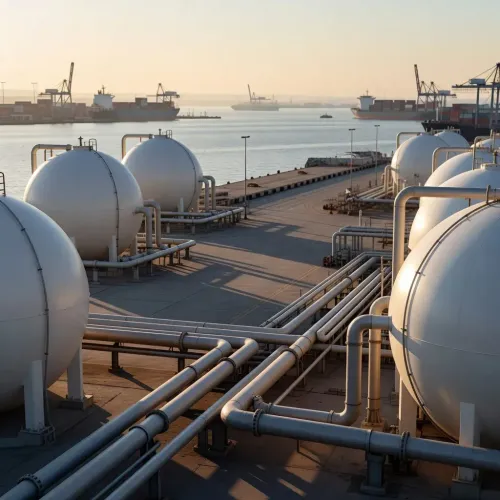
Mundra , JNPT , Chennai , and Tuticorin identified as India's four key alternative marine fuel bunkering sites by the DGMA .
Projected alternative fuel demand: 42–65 PJ by 2035 and 113–293 PJ by 2047 under different scenarios.
A phased bunkering roadmap covering 2026–2047 outlines infrastructure, safety, and regulatory milestones.
The DGMA has already mandated ethanol-blended fuel use for commercial vessels in Indian coastal waters.
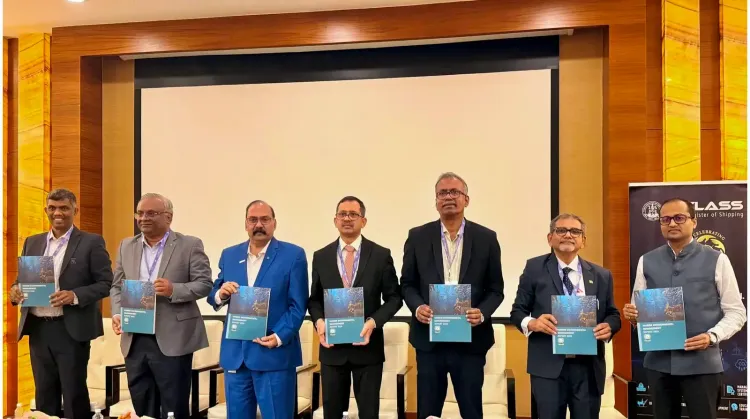
The Marine Environmental Management Report 2026 , drawing on 2025 data, was also released at the same workshop.
The study was conducted by DNV under the IMO GreenVoyage2050 Programme in partnership with the Ministry of Ports, Shipping and Waterways .
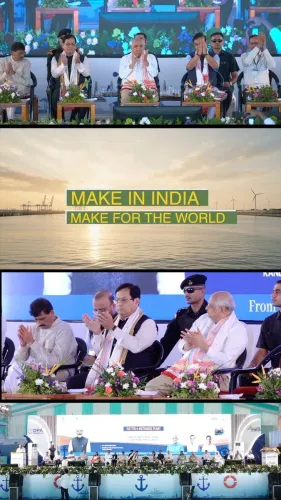
The Directorate General of Maritime Administration (DGMA) has identified Mundra, JNPT, Chennai, and Tuticorin as India's four key locations for developing alternative marine fuel bunkering infrastructure, as the country moves to establish itself as a regional hub for low- and zero-carbon shipping fuels. The findings were released during a maritime safety workshop held in Mumbai, underscoring India's accelerating push toward green shipping decarbonisation.
The Study and Its Findings
The document, titled 'Study on Potential Demand and Pricing of Alternative Marine Fuels in India', was prepared by DNV under the International Maritime Organization's (IMO) GreenVoyage2050 Programme, in partnership with the DGMA and the Ministry of Ports, Shipping and Waterways (MoPSW). It assesses vessel traffic patterns, existing and projected marine fuel demand, alternative fuel pricing, cost competitiveness, and bunkering infrastructure requirements.
According to the DGMA, projected demand for alternative marine fuels at these ports is expected to reach 42–65 petajoules (PJ) by 2035 and could scale to 113–293 PJ by 2047, depending on the adoption scenario. These figures signal a potentially transformative shift in how India's maritime sector is powered over the next two decades.
A Phased Roadmap from 2026 to 2047
The study outlines a structured, phased roadmap spanning 2026 to 2047, targeting four core priorities: the establishment of initial bunkering operations, expansion of infrastructure and services, development of robust safety and regulatory frameworks, and India's long-term integration into regional and global green shipping networks.
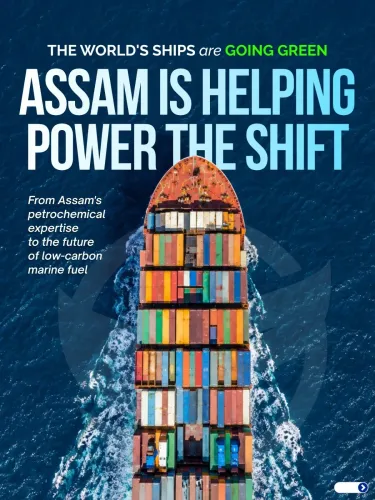
This comes amid a broader international shift toward maritime decarbonisation, with the IMO having set ambitious targets to cut greenhouse gas emissions from global shipping by at least 50% by 2050 compared to 2008 levels. India's proactive positioning in this space could yield significant economic and strategic dividends as global fleets pivot away from conventional bunker fuels.
Ethanol Blending Mandate Already in Motion
The DGMA has already set a deadline requiring commercial vessels entering Indian coastal waters to use ethanol-blended fuel. Ship owners and managers have been given time to make the necessary equipment modifications and build onboard storage tanks for ethanol to be blended with marine diesel — marking one of the first concrete regulatory steps toward cleaner fuel adoption in Indian waters.
Marine Environmental Management Report 2026 Released
At the same workshop — jointly organised with the Indian Register of Shipping (IRS) — the DGMA also released the 'Marine Environmental Management Report 2026'. Drawing on environmental data for 2025, the report covers carbon emissions from Indian shipping, fuel consumption trends, green shipping initiatives, single-use plastic prohibition, port reception facilities, and ballast water management.
'The report highlights key findings on carbon emissions, fuel consumption and marine pollution prevention, while identifying areas requiring further attention to strengthen environmental performance and regulatory compliance across the maritime sector,' the DGMA stated. The directorate described the publication as part of its commitment to data-driven environmental governance and sustainable maritime practices.
What This Means for India's Maritime Sector
Together, the two documents mark a significant step in India's transition from policy intent to operational planning on green shipping. Notably, India handles a substantial share of South Asia's container and bulk cargo traffic, and positioning its major ports as alternative-fuel bunkering hubs could attract international shipping lines seeking compliant refuelling options closer to key trade routes. The next phase will depend on the pace of infrastructure investment at Mundra, JNPT, Chennai, and Tuticorin, and on regulatory clarity for fuel suppliers and vessel operators alike.
Point of View
But the gap between a roadmap and a functioning refuelling infrastructure is precisely where past maritime ambitions have stalled. The ethanol-blending mandate is a rare example of DGMA moving from study to regulation — yet the harder challenge lies ahead: attracting private capital to build storage and supply chains at ports that still run mostly on conventional bunker fuel. With Singapore and the UAE already entrenched as Asia's dominant bunkering centres, India has a narrow but real window — particularly for methanol and ammonia — if it can provide regulatory certainty and competitive pricing before 2030.
NationPress
22 Oct 2026
Frequently Asked Questions
Which Indian ports have been identified for alternative marine fuel bunkering?
The DGMA has identified Mundra, JNPT, Chennai, and Tuticorin as the four key locations for developing alternative marine fuel bunkering infrastructure in India. These ports were selected based on an assessment of vessel traffic, fuel demand projections, and infrastructure potential.
What is the projected demand for alternative marine fuels at Indian ports?
According to the DNV study released by the DGMA, demand for alternative marine fuels at these ports is projected to reach 42–65 petajoules by 2035 and 113–293 petajoules by 2047, depending on the adoption scenario.
What is the IMO GreenVoyage2050 Programme?
The IMO GreenVoyage2050 Programme is an International Maritime Organization initiative that supports developing countries in transitioning to low- and zero-carbon shipping. The India study was conducted by DNV under this programme in partnership with the DGMA and the Ministry of Ports, Shipping and Waterways.
What is India's ethanol-blending mandate for ships?
The DGMA has set a deadline requiring commercial vessels entering Indian coastal waters to use ethanol-blended marine diesel. Ship owners and managers have been given time to modify equipment and build onboard ethanol storage tanks to comply with the requirement.
What does the Marine Environmental Management Report 2026 cover?
Released at the same Mumbai workshop, the report draws on 2025 data to analyse carbon emissions from Indian shipping, fuel consumption trends, green shipping initiatives, single-use plastic prohibition, port reception facilities, and ballast water management — highlighting areas that need further regulatory attention.