4 of 7 legacy waste dumpsites in Delhi-NCR fully remediated: Centre
Synopsis
The Centre has confirmed that four of seven legacy waste dumpsites in the Delhi-NCR — spread across Delhi, Gurugram, Noida, Greater Noida, and Ghaziabad — have been fully remediated. Backed by new SWM Rules, 2026 and a CAQM air quality directive, this is the first official site-count update on a clean-up drive that directly affects the region's chronic air pollution crisis.
Key Takeaways
4 of 7 legacy waste dumpsites in Delhi-NCR have been fully remediated, MoS Kirti Vardhan Singh told Rajya Sabha on 23 July .
The seven sites span three in Delhi and one each in Gurugram , Noida , Greater Noida , and Ghaziabad .
CPCB issued a biomining and bioremediation directive on 27 January 2021 under the Environment (Protection) Act, 1986 .
91 dated 3 June 2025 further mandated legacy waste management to curb open-burning air pollution across NCR.
The Solid Waste Management Rules, 2026 — superseding the 2016 rules — came into force on 1 April 2026 , with stricter landfill standards and mandatory audits.
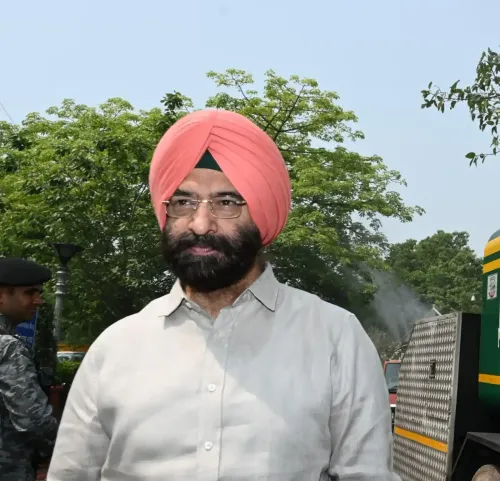
Remediation of four out of seven legacy waste dumpsites identified in the Delhi-National Capital Region (NCR) has been completed, Minister of State for Environment, Forest and Climate Change Kirti Vardhan Singh informed the Rajya Sabha on Thursday, 23 July. The disclosure came through a written reply to a parliamentary query, offering the first consolidated government update on the NCR's legacy waste clean-up drive.
Which Sites Are Covered
The seven legacy waste dumpsites earmarked for remediation span the NCR's key urban nodes — three in Delhi and one each in Gurugram, Noida, Greater Noida, and Ghaziabad. The remaining three sites are still under remediation, though the minister did not specify a completion timeline for those.
Regulatory Framework Behind the Push
The remediation drive draws on a multi-layered regulatory mandate. The Central Pollution Control Board (CPCB) issued a direction on 27 January 2021 under Section 5 of the Environment (Protection) Act, 1986, requiring all State Pollution Control Boards (SPCBs) and Pollution Control Committees (PCCs) to direct concerned authorities to undertake biomining and bioremediation of legacy waste sites. More recently, the Commission for Air Quality Management in NCR and Adjoining Areas (CAQM), through Direction No. 91 dated 3 June 2025, reinforced the mandate, specifically targeting air pollution caused by open burning of municipal solid waste (MSW) — a key source of PM10, PM2.5, NO2, SO2, CO, dioxins, and furans in the region.
New Solid Waste Management Rules, 2026
Underpinning the operational shift is the Solid Waste Management (SWM) Rules, 2026, notified by the Central government in supersession of the earlier SWM Rules, 2016. The revised rules came into force on 1 April 2026 and tighten the definition and standards for sanitary landfilling — requiring protective measures against groundwater and surface water contamination, fugitive dust, wind-blown litter, bad odour, fire hazard, animal and bird menace, pests, rodents, greenhouse gas emissions, persistent organic pollutants, slope instability, and erosion.
The rules assign responsibility for sanitary landfill operation and maintenance to local bodies through eligible agencies, with the District Magistrate held accountable for ensuring compliance. They also mandate periodic audits by the SPCB, PCC, or a registered environment auditor, with audit reports to be uploaded on a centralised portal.
Why This Matters
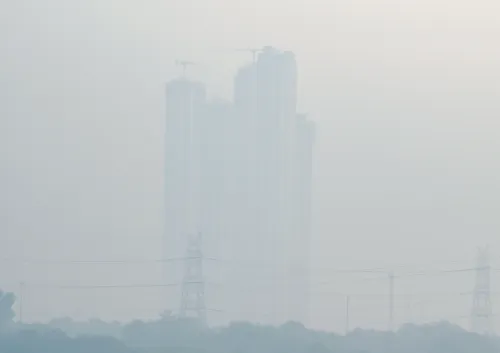
Legacy waste dumpsites — unscientifically managed waste mountains accumulated over decades — are among the most persistent sources of urban air and groundwater pollution across Indian cities. The NCR, already battling severe winter smog, faces compounded risk from open waste burning at these sites. This is the first time the government has provided a site-by-site remediation count for the NCR cluster, signalling incremental but measurable progress. Notably, the CAQM direction of June 2025 links legacy waste management directly to the region's air quality action plan, elevating it from a municipal sanitation issue to a public health and environmental governance priority.
What Comes Next
With the SWM Rules, 2026 now in force and the CAQM direction adding legal weight, pressure on state agencies in Haryana and Uttar Pradesh to accelerate remediation at the remaining three sites is expected to intensify. Independent audits and centralised portal reporting under the new rules will determine whether the accountability framework translates into on-ground results.
Point of View
But the government's framing glosses over the absence of a completion deadline for the remaining three — a gap that matters in a region where open waste burning is a documented contributor to winter air emergencies. The SWM Rules, 2026 are a meaningful upgrade on paper, but their real test lies in enforcement: past solid waste mandates have repeatedly stalled at the state and local-body level. Linking audit reports to a centralised portal is a step toward transparency, but only if the portal is publicly accessible and independently verified. The CAQM direction adds legal teeth, yet NCR's air quality track record suggests that directions alone rarely move the needle without penalty enforcement.
NationPress
22 Oct 2026
Frequently Asked Questions
How many legacy waste dumpsites in Delhi-NCR have been remediated?
Four out of seven legacy waste dumpsites identified in the Delhi-NCR have been fully remediated, according to MoS for Environment Kirti Vardhan Singh's statement in Rajya Sabha on 23 July. The remaining three sites are yet to be completed.
Where are the seven legacy waste dumpsites in Delhi-NCR located?
The seven sites are spread across three locations in Delhi and one each in Gurugram, Noida, Greater Noida, and Ghaziabad. Together they cover the NCR's major urban centres.
What are the Solid Waste Management Rules, 2026?
The Solid Waste Management Rules, 2026 are Central government regulations that supersede the earlier SWM Rules, 2016 and came into force on 1 April 2026. They set stricter standards for sanitary landfilling, mandate audits by State Pollution Control Boards or registered environment auditors, and require audit reports to be uploaded on a centralised portal.
What role does CAQM play in legacy waste management in NCR?
The Commission for Air Quality Management in NCR and Adjoining Areas (CAQM) issued Direction No. 91 on 3 June 2025, directing NCR agencies to manage legacy waste at dumpsites and landfills to curb air pollution from open burning of municipal solid waste, which generates PM10, PM2.5, and other harmful pollutants.
Why is legacy waste remediation critical for Delhi-NCR's air quality?
Legacy dumpsites are a significant source of air pollution in NCR through open waste burning, which releases PM10, PM2.5, nitrogen dioxide, sulphur dioxide, carbon monoxide, dioxins, and furans. Remediation through biomining and bioremediation eliminates these emission sources, directly contributing to the region's air quality improvement efforts.