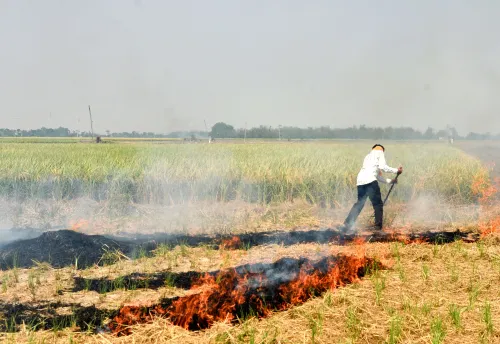
Punjab stubble burning: 404 cases recorded, FIRs in 39; Amritsar and Tarn Taran top list
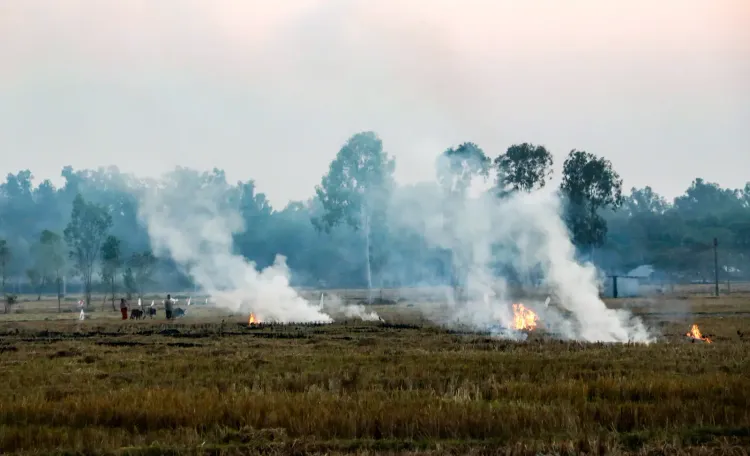
Synopsis
Punjab's stubble burning tally has crossed 400 cases within days of the paddy harvest peak, with Tarn Taran and Amritsar alone accounting for nearly 80% of incidents. With only ₹3.40 lakh of ₹7.20 lakh in penalties recovered and FIRs in just 39 cases, enforcement still lags — even as the CAQM races to plug industrial monitoring gaps in the NCR before winter smog sets in.
Key Takeaways
404 stubble burning incidents recorded across Punjab as of 21 October 2026 , per the PPCB report.
Tarn Taran leads with 198 incidents ; Amritsar second with 117 incidents .
FIRs registered in 39 cases ; 106 red entries made in revenue records; 152 warning notices issued.
Environmental compensation totalling ₹7.20 lakh imposed; ₹3.40 lakh recovered so far.
CAQM has extended PTZ camera mandate to all NCR industry categories under Statutory Direction No.
98 , with compliance deadline of 30 November 2026 .
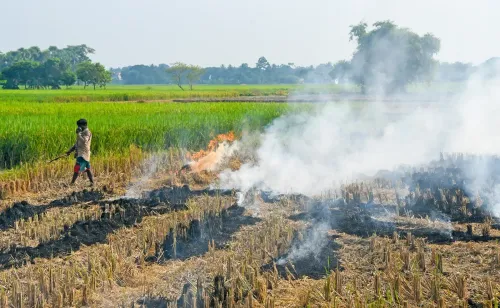
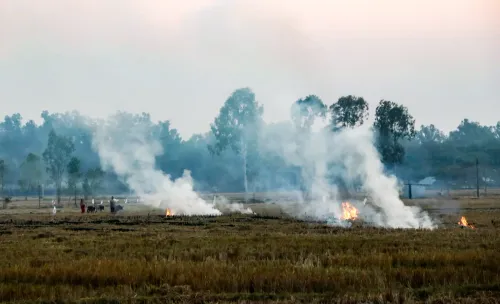
A total of 404 incidents of stubble burning have been recorded across Punjab as of Tuesday, 21 October 2026, with Tarn Taran and Amritsar accounting for the highest share of cases, according to a report by the Punjab Pollution Control Board (PPCB). First information reports (FIRs) have been registered in 39 cases, and authorities have imposed environmental compensation totalling ₹7.20 lakh across the state.
District-wise Breakdown
Of the 404 incidents logged statewide, 198 were reported in Tarn Taran — the single highest district count — where 176 fields were inspected and stubble burning was confirmed at 75 sites. Amritsar recorded 117 incidents, with 111 fields inspected and 42 cases confirmed on the ground.
Other affected districts include Gurdaspur (23 incidents), Kapurthala (16), Ferozepur (14), Jalandhar (5), and Patiala (4). In Patiala, three fields were inspected and burning was confirmed at two locations.
Enforcement and Penalties
Of the 404 recorded incidents, 358 fields have been inspected, with stubble burning confirmed at 151 locations statewide. An environmental compensation of ₹10,000 per case has been imposed, with the total liability reaching ₹7.20 lakh; of this, ₹3.40 lakh has already been recovered, officials said.
In addition to the 39 FIRs, authorities have made 'red entries' in revenue records for 106 cases — a measure that restricts future land transactions — and have issued 152 warning notices to erring farmers. 'The administration continues its efforts to curb stubble-burning incidents in Punjab,' officials stated.
CAQM Expands Remote Monitoring in NCR
In a related move, the Commission for Air Quality Management (CAQM) has tightened its surveillance mechanism for air-polluting industries in the National Capital Region (NCR). The Commission has extended the mandate for Pan-Tilt-Zoom (PTZ) cameras to all industry categories covered under Statutory Direction No. 98, superseding its earlier order of 5 October 2026.
The expanded directive covers all 17 categories of highly polluting industries identified by the Central Pollution Control Board (CPCB), Red Category (Medium and Large) air-polluting industries, Food and Food Processing and Textile units with boilers or thermic fluid heaters, and Metal industries operating furnaces in the NCR. All covered units must complete PTZ camera installation and real-time video transmission by 30 November 2026.
Why This Matters
Stubble burning in Punjab and neighbouring Haryana is a seasonal flash point that contributes significantly to the air quality crisis in the Delhi-NCR region each October and November. This is the period when post-harvest burning of paddy residue peaks, historically sending the Air Quality Index in Delhi to 'severe' or 'hazardous' levels. The PPCB numbers, though early in the season, signal that enforcement on the ground remains a challenge, given that confirmed burnings account for just over a third of incidents inspected so far. The CAQM's PTZ expansion is a parallel attempt to close monitoring gaps in the industrial sector, which compounds agricultural emissions during winter.
What Happens Next
Enforcement agencies are expected to intensify field inspections as the paddy harvest peaks in the coming weeks. Recovery of the remaining ₹3.80 lakh in outstanding environmental compensation and the progress of the 39 registered FIRs will be closely watched as indicators of whether deterrence is strengthening. Industry units in the NCR face a hard deadline of 30 November 2026 for PTZ camera compliance or risk action under CAQM directions.
Point of View
But confirmed ground verifications lag and penalty recovery lags further. With only ₹3.40 lakh of ₹7.20 lakh collected, the financial deterrent is not yet biting. The CAQM's PTZ expansion for NCR industries is a welcome structural step, but the smog crisis has always been primarily an agricultural enforcement problem — one that requires faster action at the district level, not just remote camera feeds monitoring factory chimneys. Until red entries and FIRs translate into meaningful legal consequences for repeat offenders, the annual cycle is unlikely to break.
NationPress
21 Oct 2026
Frequently Asked Questions
How many stubble burning cases have been recorded in Punjab in October 2026?
A total of 404 stubble burning incidents have been recorded across Punjab as of 21 October 2026, according to the Punjab Pollution Control Board (PPCB). Of these, 358 fields have been inspected and burning confirmed at 151 locations.
Which districts in Punjab have the most stubble burning cases?
Tarn Taran recorded the highest number with 198 incidents, followed by Amritsar with 117. Together, the two districts account for nearly 80% of the statewide total.
What action has been taken against stubble burning farmers in Punjab?
Authorities have registered FIRs in 39 cases, made 'red entries' in revenue records for 106 cases, and issued 152 warning notices. An environmental compensation of ₹10,000 per incident has been levied, with total dues of ₹7.20 lakh, of which ₹3.40 lakh has been recovered so far.
What is the CAQM's new PTZ camera order for NCR industries?
The Commission for Air Quality Management (CAQM) has directed all categories of highly polluting and Red Category industries in the NCR to install Pan-Tilt-Zoom (PTZ) cameras for real-time remote monitoring of fuel use and emissions. All covered units must complete installation by 30 November 2026; the order supersedes an earlier directive from 5 October 2026.
Why does stubble burning in Punjab affect Delhi's air quality?
Stubble burning in Punjab and Haryana during October–November releases large volumes of particulate matter and pollutants that drift toward Delhi-NCR, historically pushing the Air Quality Index into 'severe' or 'hazardous' categories. The seasonal burn coincides with colder temperatures that trap pollutants close to the ground, amplifying the health impact on millions of residents.