5 BJP leaders of Rajasthan origin win West Bengal Assembly Elections 2026
Synopsis
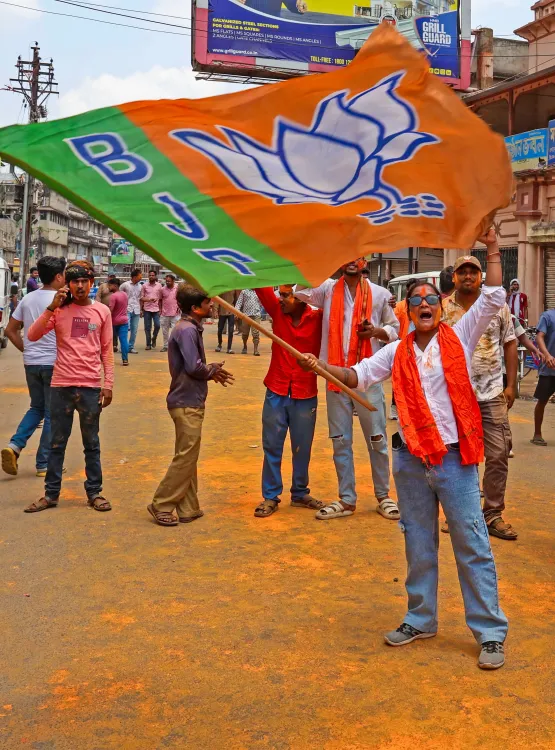
Five BJP candidates who left Rajasthan decades ago for jobs and business in West Bengal have won assembly seats in 2026 — with margins as high as 40,670 votes. Their success signals that India's migrant communities are no longer just vote banks; they are now kingmakers and candidates in their own right.
Key Takeaways
Five BJP candidates of Rajasthan origin won seats in the West Bengal Assembly Elections 2026 .
Biggest winner: Ashok Kirtania won Bongaon North by 40,670 votes ; smallest margin: Vijay Ojha won Jorasanko by 5,797 votes .
BJP had fielded nine Rajasthan-origin candidates in Bengal; five won — a 55% strike rate.
Veteran leader Rajendra Rathore led campaign outreach in key constituencies including Bhabanipur .
Senior BJP leader Suvendu Adhikari publicly praised the organisational contribution of Rajasthan-based leaders.
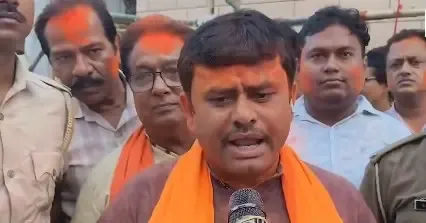
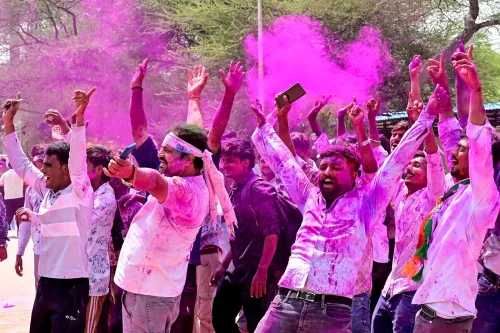
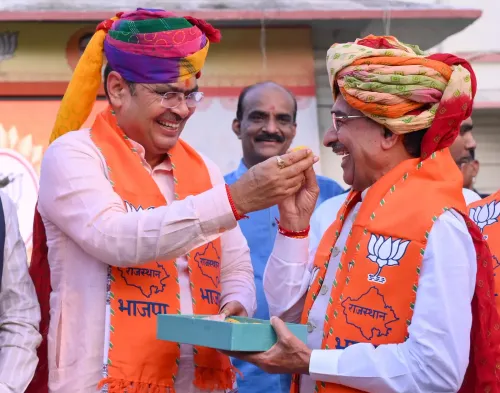
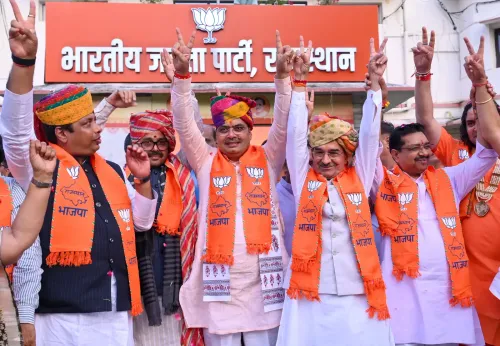
Five Bharatiya Janata Party (BJP) candidates of Rajasthan origin, who migrated to West Bengal decades ago in search of livelihood and business opportunities, have won seats in the West Bengal Assembly Elections 2026. Their victories underscore the growing electoral influence of migrant Rajasthani communities in a state far from their roots.
The Five Winners and Their Margins
The victorious Rajasthan-origin leaders are Vijay Ojha, Bharat Kumar Jhanwar, Ajay Kumar Poddar, Rajesh Kumar, and Ashok Kirtania. Originally from Bikaner, Vijay Ojha won the Jorasanko seat by 5,797 votes. A long-time resident of Kolkata, Ojha has previously served as a municipal councillor for over 15 years.
Bharat Kumar Jhanwar secured the Beldanga seat by a margin of 13,208 votes, while Ajay Kumar Poddar won the Kulti constituency by 26,498 votes. Rajesh Kumar registered victory from Jagatdal by 20,909 votes. The biggest winner among the five was Ashok Kirtania, who clinched Bongaon North by a commanding margin of 40,670 votes.
BJP's Migrant Community Strategy
The BJP had fielded nine candidates with roots in Rajasthan across West Bengal, many of whom migrated to the state years ago. Five of the nine secured wins — a strike rate that reflects both strong grassroots connect and sustained political groundwork. These leaders leveraged deep community networks, local outreach, and familiarity with constituency-level issues to consolidate support across diverse voter segments.
Notably, in high-profile constituencies like Bhabanipur, the BJP deployed a dedicated team of Rajasthan-based leaders for campaign management. Under the leadership of veteran leader Rajendra Rathore, the team focused on micro-level outreach — particularly targeting youth and women voters through door-to-door campaigns and welfare messaging.
What Senior BJP Leaders Said
Following the results, senior BJP leader Suvendu Adhikari acknowledged the contribution of Rajasthan-based leaders, praising their organisational efforts and on-ground coordination. His remarks signal that the BJP views the migrant community strategy as replicable in future state contests.
Broader Significance for Regional Politics
All five winners maintain strong cultural and social ties with Rajasthan even as they built their political careers in West Bengal. This is part of a wider trend in Indian electoral politics where diaspora and migrant communities — long seen as vote banks rather than candidates — are increasingly shaping outcomes as active participants. The results from West Bengal in 2026 add fresh evidence to this shift, and are likely to prompt other parties to reassess how they engage with migrant constituencies ahead of upcoming state elections.
Point of View
670 votes in a constituency like Bongaon North, the BJP has a replicable template for states like Odisha, Jharkhand, and Maharashtra, where similar Rajasthani diaspora pockets exist. The real question is whether these wins reflect durable community loyalty or a one-cycle wave built on anti-incumbency against the Trinamool Congress.
NationPress
15 Oct 2026
Frequently Asked Questions
Which five BJP leaders of Rajasthan origin won the West Bengal Assembly Elections 2026?
The five winners are Vijay Ojha (Jorasanko), Bharat Kumar Jhanwar (Beldanga), Ajay Kumar Poddar (Kulti), Rajesh Kumar (Jagatdal), and Ashok Kirtania (Bongaon North). All five have Rajasthan roots but built their political careers in West Bengal.
What was the biggest winning margin among the Rajasthan-origin BJP candidates in Bengal 2026?
Ashok Kirtania recorded the biggest margin, winning Bongaon North by 40,670 votes. Vijay Ojha had the smallest margin among the five winners, winning Jorasanko by 5,797 votes.
How many Rajasthan-origin candidates did the BJP field in West Bengal 2026?
The BJP fielded nine candidates with roots in Rajasthan across West Bengal. Of these, five won, reflecting a 55% success rate that the party attributes to strong community networks and sustained grassroots outreach.
What role did Rajendra Rathore play in the West Bengal elections 2026?
Veteran BJP leader Rajendra Rathore led a dedicated team of Rajasthan-based leaders for campaign management in key constituencies including Bhabanipur. The team focused on door-to-door outreach targeting youth and women voters.
Why does the victory of Rajasthan-origin candidates in Bengal matter for Indian politics?
It signals a broader shift in Indian electoral politics where migrant and diaspora communities are emerging as candidates and kingmakers, not just vote banks. The BJP's success with this strategy in Bengal could serve as a template for other states with large Rajasthani diaspora populations.