UCC in MP: Over 9 lakh public suggestions received, CM Yadav briefs Governor
Synopsis
Madhya Pradesh's UCC consultation has crossed 9 lakh public responses — one of the largest citizen-feedback exercises by any state on a socio-legal reform. With the feedback phase closed, CM Mohan Yadav has briefed the Governor and the state is now preparing its action plan, setting up a potential legislative move in the months ahead.
Key Takeaways
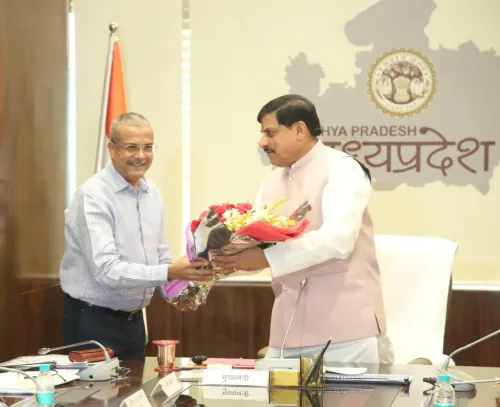
CM Mohan Yadav met Governor Mangubhai Patel at Raj Bhavan, Bhopal on 29 June .
Madhya Pradesh's UCC public consultation received more than 9 lakh suggestions from citizens, legal experts, and organisations.
The state government is now examining feedback to finalise an action plan for UCC implementation.
Four agricultural products from Madhya Pradesh recently received Geographical Indication (GI) tags , boosting farmer income prospects.
Other agenda items included the Jal Ganga Samvardhan Abhiyan , solar energy expansion, MSME promotion, and Guru Purnima Pakhwada preparations.
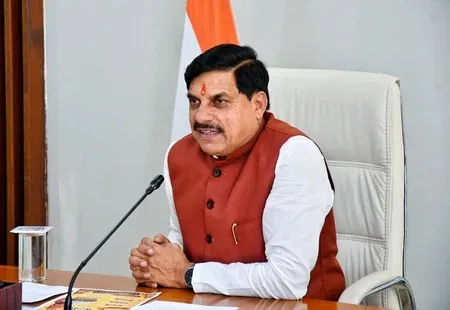
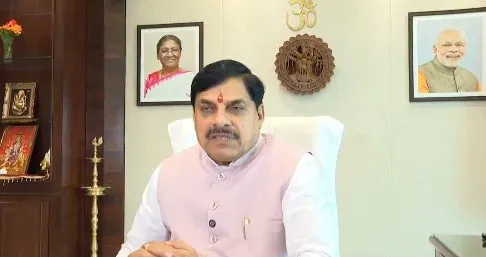
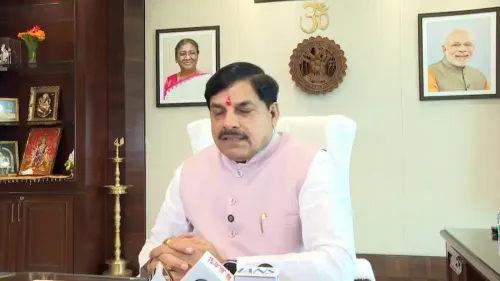
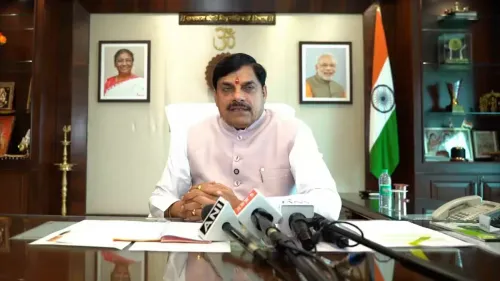
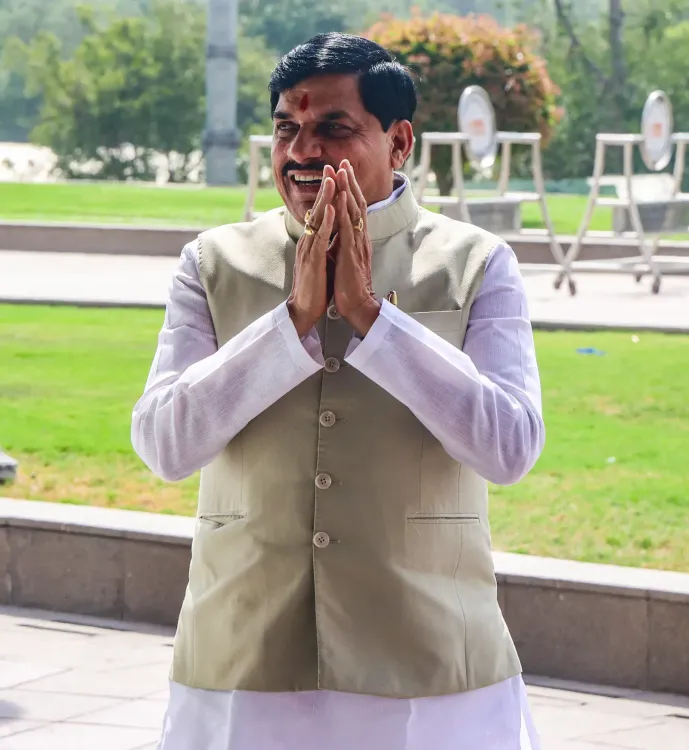
Madhya Pradesh Chief Minister Mohan Yadav on Monday, 29 June called on Governor Mangubhai Patel at Raj Bhavan, Bhopal, briefing him on the state government's key initiatives — chief among them the Uniform Civil Code (UCC) consultation process, which has drawn more than 9 lakh public suggestions. The scale of response signals one of the largest citizen-feedback exercises undertaken by any state government on a socio-legal reform of this nature.
UCC Consultation: Scale and Next Steps
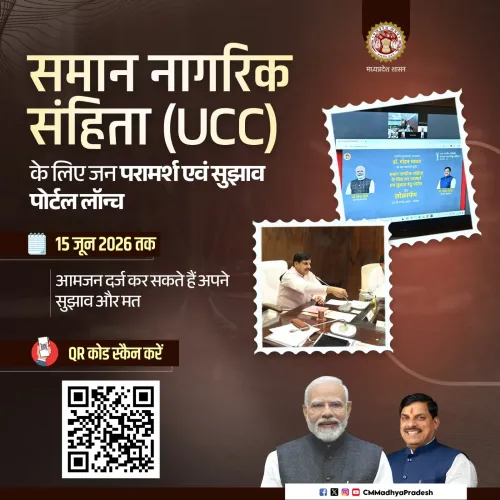
The Madhya Pradesh government launched its UCC consultation earlier this year, constituting a dedicated committee to examine the legal and administrative dimensions of implementation. The committee invited inputs from citizens, legal experts, social organisations, and other stakeholders to build a framework tailored to the state's requirements.
The consultation window remained open for several months before closing after accumulating more than 9 lakh responses. Chief Minister Yadav indicated that the government is now in the process of examining this feedback to chart the next course of action.
'On this occasion, the Governor was apprised of the more than 9 lakh suggestions received regarding the implementation of the Uniform Civil Code in the state, the widespread public support for it, and the upcoming action plan,' Yadav wrote on X following the meeting.
Other Key Developments Discussed
Beyond the UCC, the Chief Minister briefed the Governor on several other state initiatives. These included the Jal Ganga Samvardhan Abhiyan — a statewide campaign for water conservation and the rejuvenation of rivers, ponds, and traditional water bodies — which Yadav described as successfully implemented.
The meeting also covered preparations for educational and cultural events planned during the upcoming Guru Purnima Pakhwada, along with the recent award of Geographical Indication (GI) tags to four agricultural products from Madhya Pradesh, a development expected to enhance market value and income for farmers.
Industrial and Economic Agenda
Chief Minister Yadav further apprised the Governor of the state's push on solar energy expansion, promotion of Micro, Small and Medium Enterprises (MSMEs) and start-ups, and ongoing efforts to attract industrial investment and generate employment across the state.
Governor Patel acknowledged the government's development agenda and reviewed progress across the programmes discussed during the meeting.
Broader Context
Madhya Pradesh's move to implement the UCC at the state level mirrors a similar push by Uttarakhand, which became the first state to enact UCC legislation in 2024. The Bharatiya Janata Party (BJP)-governed states have positioned the UCC as a priority reform. Critics, however, argue that a state-level UCC raises constitutional questions, given that personal law reform is a Union subject under the Concurrent List, and that implementation without central legislation could face legal challenges.
With the feedback phase now closed, all eyes are on the committee's report and whether the state government moves to introduce draft legislation in the coming months.
Point of View
But the quality and representativeness of that feedback matters more than its volume — and the state has not yet disclosed how the committee will weigh inputs from legal experts versus mass-mobilised public responses. Madhya Pradesh is navigating constitutionally uncertain terrain: personal law reform sits on the Concurrent List, and a state-level UCC without central legislation could face judicial scrutiny. The BJP's push in MP and Uttarakhand appears as much a political signal ahead of electoral cycles as a legislative roadmap. The real test will be whether a draft bill emerges — and whether it can withstand a Supreme Court challenge.
NationPress
29 Jun 2026
Frequently Asked Questions
How many public suggestions has Madhya Pradesh received on the UCC?
Madhya Pradesh has received more than 9 lakh public suggestions on the proposed Uniform Civil Code, according to Chief Minister Mohan Yadav. The consultation process, which remained open for several months, drew inputs from citizens, legal experts, social organisations, and other stakeholders.
What is the current status of UCC implementation in Madhya Pradesh?
The public consultation phase has concluded. The state government is now examining the feedback to prepare the next course of action, which is expected to include a formal action plan for implementation.
Which other state has already enacted a UCC?
Uttarakhand became the first state in India to enact UCC legislation, doing so in 2024. Madhya Pradesh is among the BJP-governed states pursuing a similar reform at the state level.
What other initiatives did CM Yadav discuss with the Governor?
CM Yadav briefed Governor Mangubhai Patel on the Jal Ganga Samvardhan Abhiyan for water conservation, GI tags awarded to four MP agricultural products, solar energy expansion, MSME and start-up promotion, and preparations for Guru Purnima Pakhwada.
Does a state government have the authority to implement the UCC independently?
This is constitutionally contested. Personal law reform falls under the Concurrent List, meaning both the Centre and states have legislative competence, but critics argue that a state-level UCC without corresponding central legislation could face legal challenges, potentially reaching the Supreme Court.