Adani Group plants 1.6 million trees at Surguja mine across 568 hectares
Synopsis
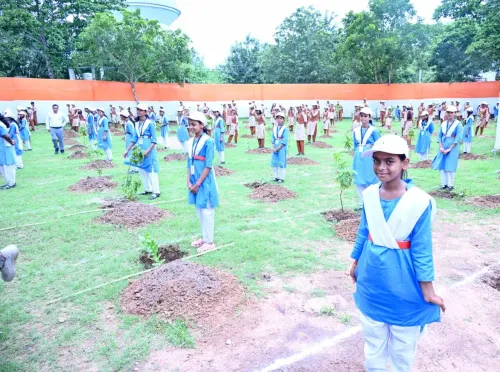
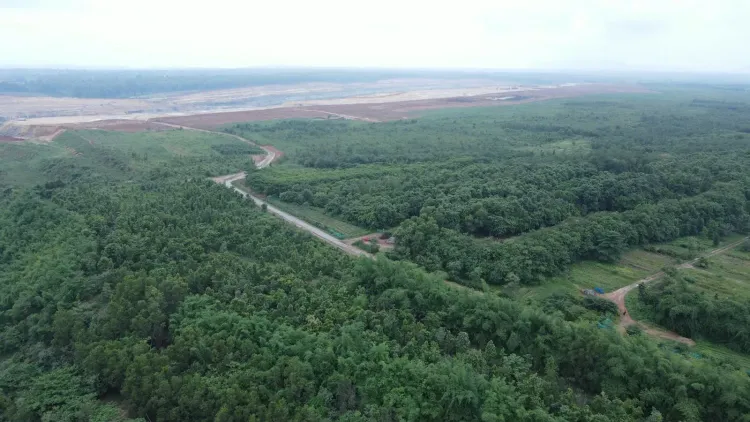
A former coal mine in Chhattisgarh's Surguja district has been replanted with over 1.6 million trees across 568 hectares — with 40 trees going in for every one removed. Adani Enterprises is targeting 4 million trees by 2030, and has deposited ₹259 crore with the state government for environmental measures, in what the Coal Ministry is calling a national model for post-mining ecological restoration.
Key Takeaways
Adani Enterprises Ltd (AEL) has planted more than 1.6 million trees and saplings across 568 hectares at the PEKB mine in Surguja, Chhattisgarh .
The replanting ratio stands at 40 trees for every tree removed , with a reported sapling survival rate of 88 per cent .
Native species including Sal, Mahua, Tendu, Amaltas , and Sidha have been used; a 3.5-hectare nursery houses around 500,000 saplings .
Compensatory afforestation covers more than 4,000 hectares across four Chhattisgarh forest divisions.
Over ₹259 crore has been deposited with the Chhattisgarh government for afforestation, wildlife management, and environmental measures.
The company targets more than 4 million trees at the site by the end of the decade.
Adani Enterprises Ltd (AEL) has planted more than 1.6 million trees and saplings across 568 hectares at the Parsa East and Kanta Basan (PEKB) mine in Chhattisgarh's Surguja district, converting a former active coal extraction site into a dense green landscape. The ecological turnaround is being cited as a model for responsible post-mining land restoration in India.
Scale of the Greening Effort
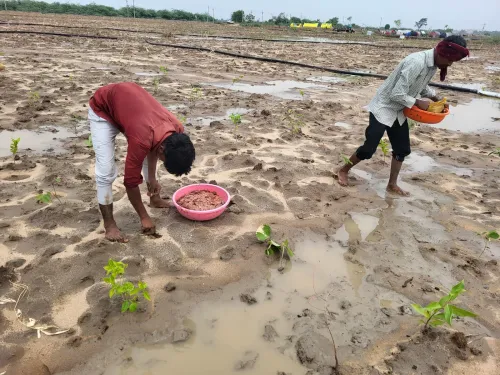
Under the restoration programme, 40 trees are planted for every single tree removed during mining operations. Native species — including Sal, Mahua, Tendu, Amaltas, and Sidha — have been prioritised for replanting, with the company reporting a survival rate of approximately 88 per cent. A dedicated 3.5-hectare nursery has been established on site, housing around 500,000 saplings, and successful regeneration of Sal forests has been recorded in the area.
Compensatory Afforestation and Financial Commitments
Beyond the mine boundary, AEL has undertaken compensatory afforestation across more than 4,000 hectares spanning the Surguja, Korea, Balrampur, and Surajpur forest divisions. According to officials, over ₹259 crore has been deposited with the Chhattisgarh government towards afforestation, wildlife management, and allied environmental measures.
Operational Context
AEL operates the PEKB mine as developer and operator for Rajasthan Rajya Vidyut Utpadan Nigam Ltd (RVUNL). The mine's restoration trajectory, according to officials, demonstrates how coal-bearing land can be ecologically rehabilitated after extraction concludes. The company aims to scale total green cover at the site to more than 4 million trees by the end of the decade.
What the Coal Ministry Said
The Coal Ministry highlighted the project in a post on X, stating that after coal extraction, 'the journey of a mine does not end — it marks the beginning of ecological restoration and sustainable transformation.' The ministry described the PEKB mine as 'a remarkable example of this commitment,' adding that the site reflects 'how responsible mining practices and environmental conservation can go hand in hand.' It further said the mine is 'a living testament to the fact that mine closure can pave the way for a greener, more sustainable future.'
Broader Significance
This comes amid growing scrutiny of the environmental footprint of India's coal sector, which continues to expand output to meet rising power demand. The PEKB initiative is notably one of the few mine-level restoration programmes to publish a verified sapling survival rate and commit to a decade-long green-cover target. Whether the model scales to other mining districts — many of which lack comparable corporate investment — remains the key question for policymakers and environmental advocates alike.
Point of View
An 88 per cent survival rate, and ₹259 crore deposited with the state — but the absence of independent third-party verification means the figures rest largely on company and ministry claims. India's mining sector has a long history of compensatory afforestation commitments that go unmonitored once funds are transferred to state governments. The more meaningful test is whether the Sal forest regeneration is ecologically functional — not just a count of saplings in the ground. If independently verified, the PEKB model deserves serious policy attention as coal India winds down older mines. If not, it risks becoming another green-optics exercise in a sector that badly needs the real thing.
NationPress
19 Sept 2026
Frequently Asked Questions
How many trees has Adani Enterprises planted at the PEKB mine in Chhattisgarh?
Adani Enterprises Ltd has planted more than 1.6 million trees and saplings across 568 hectares at the Parsa East and Kanta Basan (PEKB) mine in Surguja district, Chhattisgarh. The company is targeting a total green cover of over 4 million trees at the site by the end of the decade.
What is the replanting ratio at the PEKB mine?
For every tree removed during mining operations, 40 trees are planted under the ecological restoration programme. The reported sapling survival rate stands at approximately 88 per cent, with native species such as Sal, Mahua, and Tendu prioritised.
How much has Adani deposited with the Chhattisgarh government for environmental measures?
Over ₹259 crore has been deposited with the Chhattisgarh government towards afforestation, wildlife management, and other environmental measures. Compensatory afforestation has also been undertaken across more than 4,000 hectares in four forest divisions.
Who operates the PEKB mine and for which entity?
Adani Enterprises Ltd operates the Parsa East and Kanta Basan mine as developer and operator for Rajasthan Rajya Vidyut Utpadan Nigam Ltd (RVUNL).
What did the Coal Ministry say about the PEKB mine restoration?
The Coal Ministry posted on X that the PEKB mine stands as 'a remarkable example' of ecological restoration, describing it as proof that 'responsible mining practices and environmental conservation can go hand in hand.' The ministry called the site 'a living testament' to mine closure paving the way for a sustainable future.