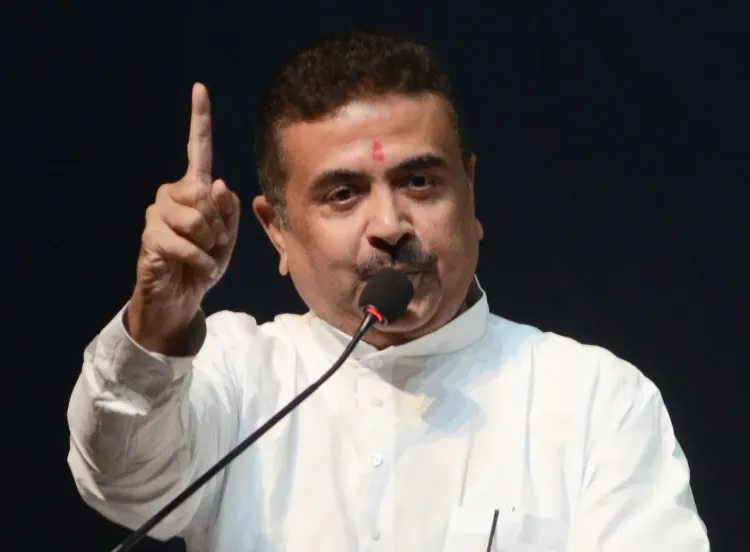
Kolkata illegal buildings: CM Adhikari warns of live public interrogation of promoters
Synopsis
West Bengal CM Suvendu Adhikari has threatened to parade builders and complicit officials before live media for flouting construction norms in 27 Kolkata buildings — some raised to seven floors on four-storey permits. With 193 projects cleared post-audit and a PWD Secretary-led task force now in place, this is the state's most publicly confrontational enforcement move since the Taratala building accident.
Key Takeaways
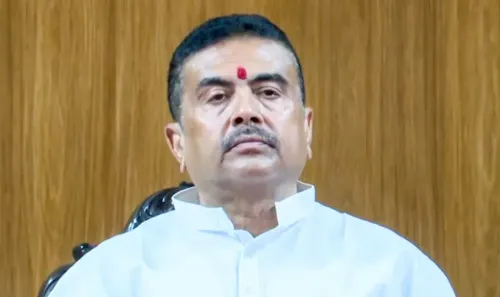
West Bengal CM Suvendu Adhikari warned on 6 August of live, public interrogation of promoters and officials behind illegal constructions in Kolkata .
Irregularities were confirmed in 27 buildings ; notices have been issued to all 27 operators.
193 stalled under-construction projects have been cleared to resume work after audit.
Violations include structures built up to seven floors where only four storeys were sanctioned, reported in Kolkata and Baranagar .
Mandatory soil tests , structural audits , and plan verification will now be required for all new construction.
A special task force and high-level committee headed by PWD Secretary Antara Acharya have been formed to oversee compliance.
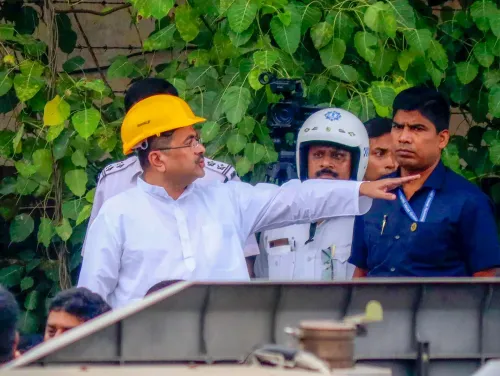
West Bengal Chief Minister Suvendu Adhikari on Thursday, 6 August issued a sharp warning that promoters and government officials linked to illegal constructions in Kolkata would be subjected to public, live interrogation before the media — a move that signals an escalating crackdown on building-rule violations across the city. The warning came after irregularities were confirmed in 27 buildings out of a larger pool of stalled projects subjected to audit.
What the Audit Revealed
Municipal Affairs and Urban Development Minister Agnimitra Paul disclosed the findings after a meeting with a delegation from the Confederation of Real Estate Developers' Association of India (CREDAI). Of the under-construction projects that were halted pending review, 193 buildings have been cleared to resume work. However, major irregularities were identified in 27 of the audited structures, and notices have already been served to the respective operators.
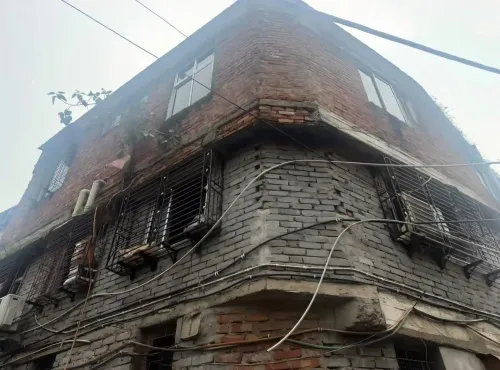
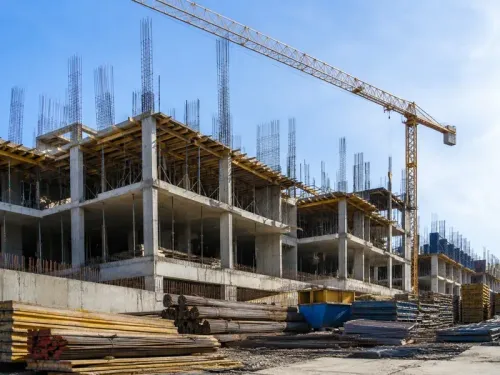
Among the violations cited, Paul noted that in several localities — including parts of Kolkata and Baranagar — builders had erected structures of up to seven floors despite receiving permission for only four-storey buildings. Such deviations, officials said, pose direct safety risks to residents and the surrounding public.
The 'Live Interrogation' Warning
Describing the Chief Minister's directive, Paul said: Adhikari has ordered that a special programme will be organised and the media will also be called. Those accused of illegal construction will be produced there. 'They will have to be held accountable live. Not only the promoters, but all the government officials who permitted by ignoring rules will also have to answer live,' she said, quoting the Chief Minister.
The announcement marks a departure from routine administrative action, with the government signalling that accountability will be conducted in public view — a step that critics and industry observers are likely to scrutinise closely for both its deterrent value and due-process implications.
The Taratala Incident as Backdrop
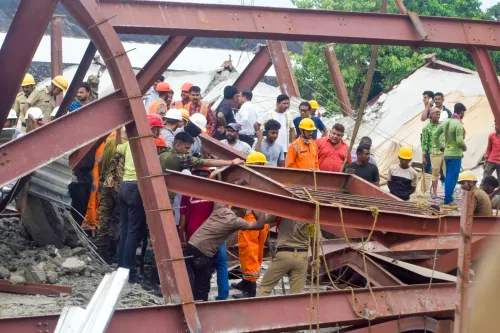
Paul explicitly referenced the Taratala building accident as the inflection point that prompted the government's audit drive. She said the administration did not wish to harm legitimate real estate businesses but would not allow tragedies like Taratala to recur due to unchecked illegal construction. This comes amid broader concerns about construction safety in rapidly urbanising areas of West Bengal, where regulatory oversight has often lagged behind the pace of development.
New Compliance Norms and Oversight Machinery
Going forward, mandatory soil tests, structural audits, and plan verification will be required for all construction projects, according to Paul. A special task force and a high-level investigation committee — headed by PWD Secretary Antara Acharya — have already been constituted to monitor compliance.
The government's next step will be the formal organisation of the public accountability programme, the timeline for which has not yet been announced. Whether the live-interrogation format withstands legal challenge remains to be seen, but the political message is unambiguous: the Bengal government is staking its credibility on visible enforcement.
Point of View
It raises legitimate due-process questions that courts could scrutinise. The deeper issue is structural: the fact that seven-floor buildings went up on four-storey permits points to systemic failure in municipal approval chains, not merely rogue promoters. Naming officials alongside builders is the right instinct, but a one-time spectacle without systemic reform of the sanctioning process risks being remembered as theatre rather than transformation.
NationPress
21 Sept 2026
Frequently Asked Questions
Why is the West Bengal government cracking down on illegal buildings in Kolkata?
The crackdown follows a safety audit that identified major irregularities in 27 under-construction buildings across Kolkata, including structures built up to seven floors on four-storey permits. Officials cited the Taratala building accident as the trigger for the audit-driven enforcement drive.
What does 'live interrogation' of builders mean?
Chief Minister Suvendu Adhikari has ordered a special public programme where promoters and government officials found responsible for illegal construction will be brought before the media and questioned openly. The format is intended to ensure visible, real-time accountability rather than closed-door proceedings.
How many buildings were affected and what happens to them?
Of the stalled projects subjected to audit, 193 buildings have been cleared to resume construction. The remaining 27, where major irregularities were found, have had notices served to their operators and face further action.
What new rules apply to construction projects in West Bengal going forward?
Mandatory soil tests, structural audits, and plan verification will now be required for all construction projects. A special task force and a high-level investigation committee headed by PWD Secretary Antara Acharya have been set up to monitor compliance.
Who is heading the investigation into illegal constructions in Kolkata?
A high-level investigation committee headed by PWD Secretary Antara Acharya has been constituted, alongside a special task force, to oversee the monitoring and enforcement process related to illegal constructions across the state.