Ahmedabad Civil Hospital gets ₹2 crore CO2 laser for ENT surgeries
Synopsis
A ₹2 crore CO2 laser machine — funded through the Airports Authority of India's CSR programme — is now operational in Ahmedabad Civil Hospital's ENT department, bringing precision throat, voice box, and tumour surgery into Gujarat's public healthcare system for the first time. For thousands of low-income patients, it means access to a technology previously available only in private hospitals.
Key Takeaways
Ahmedabad Civil Hospital has installed a ₹2 crore CO2 laser machine in its ENT department .
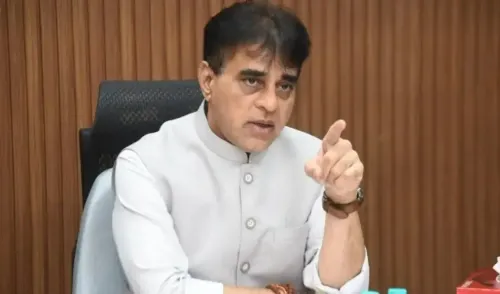
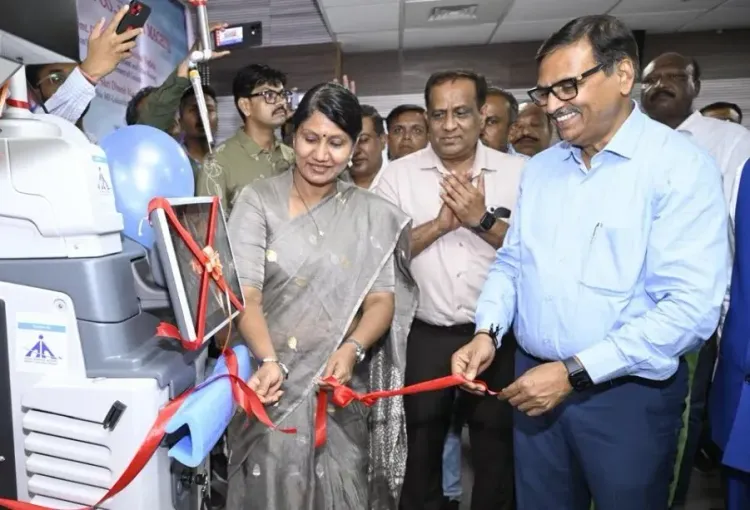
The equipment was inaugurated on 18 June by Minister Darshana Vaghela and MP Dinesh Makwana .
Funding came through the CSR initiative of the Airports Authority of India (AAI) .
The machine enables precision surgery on the throat, voice box, nose, ears, and oral cavity, and supports treatment of vocal cord disorders and throat cancers .
Hospital Superintendent Dr Rakesh Joshi said the technology will deliver world-class ENT care to patients at government facilities.
The installation is expected to benefit thousands of patients annually and reduce dependence on costlier private hospitals.
Ahmedabad Civil Hospital has commissioned a ₹2 crore CO2 laser machine for its ENT department, bringing precision surgical technology into the public healthcare system and extending access to thousands of patients from low- and middle-income backgrounds who depend on Gujarat's largest government tertiary-care institution.
Inauguration and Funding
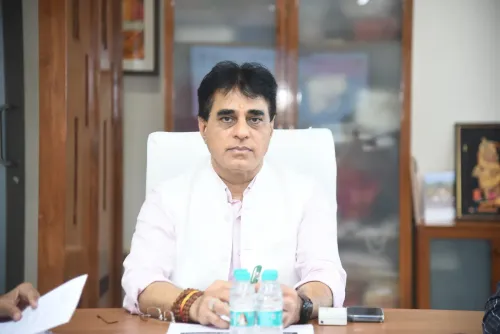
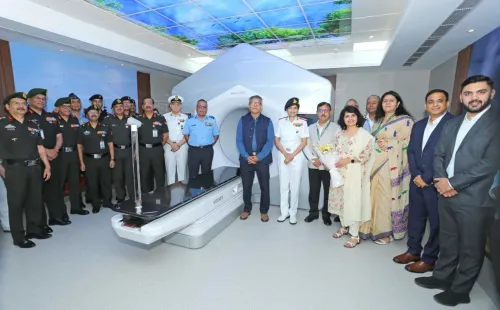
The equipment was inaugurated on Thursday, 18 June by Gujarat Urban Development and Urban Housing Minister Darshana Vaghela and Ahmedabad West MP Dinesh Makwana. The machine was procured through the Corporate Social Responsibility (CSR) initiative of the Airports Authority of India (AAI), making it a rare instance of aviation-sector CSR channelled directly into public health infrastructure.
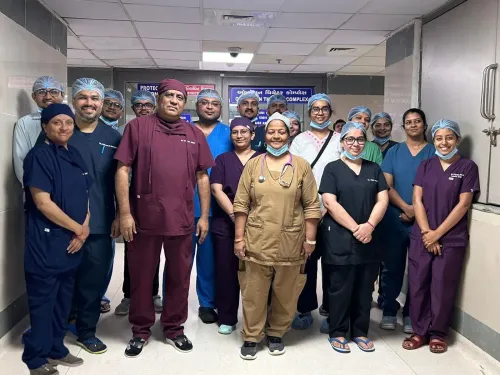
Doctors, health officials, representatives of social organisations, and members of the public attended the inauguration ceremony.
What the Technology Offers
CO2 laser systems are used globally in ear, nose, and throat surgery, enabling procedures on the throat, voice box, nose, ears, and oral cavity with significantly greater precision than conventional surgical tools. Hospital officials said the technology is expected to reduce blood loss during surgery, improve accuracy in complex procedures, and shorten patients' recovery times.
The machine will also support specialised treatment for vocal cord disorders and improve surgical management of throat cancers and tumours — conditions that previously required patients to seek costlier care at private hospitals.
What Hospital Officials Said
Hospital Superintendent Dr Rakesh Joshi thanked the state government, the Centre, AAI, MP Dinesh Makwana, and other supporting organisations for facilitating the project. 'The advanced machine will allow thousands of patients receiving treatment in government hospitals to benefit from world-class ENT care and will further enhance the healthcare capabilities of Ahmedabad Civil Hospital,' Dr Joshi said.
Impact on Patients and the Public System
Officials said the installation is expected to significantly increase the ENT department's treatment capacity and benefit thousands of patients annually. Shorter hospital stays and safer execution of delicate procedures are among the projected clinical gains.
Notably, CO2 laser ENT care has until now been largely confined to private healthcare in India, making its availability at a government facility a meaningful equity intervention. Ahmedabad Civil Hospital serves as a referral destination for patients across Gujarat and neighbouring states, amplifying the potential reach of the new equipment.
With the machine now operational, the hospital's ENT unit is positioned to handle a wider and more complex caseload — a development that could reduce the financial burden on patients who would otherwise have had no affordable alternative.
Point of View
If scaled, could meaningfully upgrade public health infrastructure without burdening the exchequer. CO2 laser ENT care has been a private-sector privilege in India; its arrival in a major government hospital tests whether public institutions can retain and deploy such technology at scale. The question is whether this remains a one-off inauguration moment or becomes a replicable template across Gujarat's district hospitals.
NationPress
24 Sept 2026
Frequently Asked Questions
What is the CO2 laser machine installed at Ahmedabad Civil Hospital?
It is a ₹2 crore surgical system used globally for ear, nose, and throat procedures, enabling doctors to operate on the throat, voice box, nose, ears, and oral cavity with greater precision and less blood loss than conventional methods. The machine also supports treatment of vocal cord disorders and throat cancers.
Who funded the CO2 laser machine at Ahmedabad Civil Hospital?
The machine was procured through the Corporate Social Responsibility (CSR) initiative of the Airports Authority of India (AAI). It was inaugurated by Gujarat Minister Darshana Vaghela and Ahmedabad West MP Dinesh Makwana on 18 June.
Who will benefit from this new ENT technology?
Thousands of patients annually who use Ahmedabad Civil Hospital — Gujarat's largest government tertiary-care institution — will benefit, particularly those from low- and middle-income backgrounds who cannot afford private hospital rates for advanced ENT procedures.
What procedures can the CO2 laser perform?
The system supports surgeries on the throat, voice box, nose, ears, and oral cavity. It is also used for specialised treatment of vocal cord disorders and surgical management of throat cancers and tumours, with the added benefit of shorter recovery times.
How does this change public healthcare access in Gujarat?
CO2 laser ENT surgery has largely been available only in private hospitals in India. Its installation at a major government hospital means patients who previously had no affordable option for such procedures can now access them within the public system.