Ahmedabad hosts active mobility workshop for CWG 2030 and Olympics 2036
Synopsis
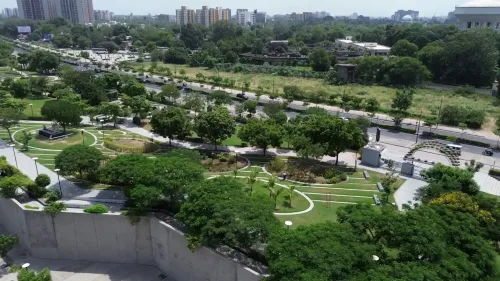
Ahmedabad isn't waiting for the Olympic torch to arrive — the city is already redesigning its streets. A two-day international workshop on walking and cycling infrastructure, backed by the Netherlands and GIZ India, signals that India's Olympic 2036 bid city is treating sustainable urban mobility as a core part of its Games readiness, not an afterthought.
Key Takeaways
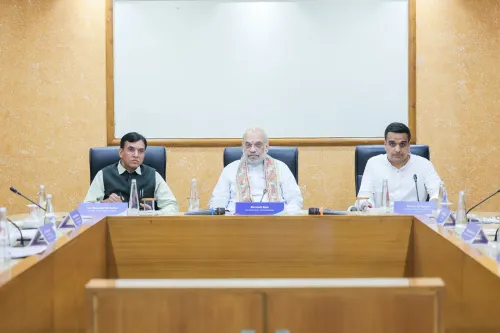
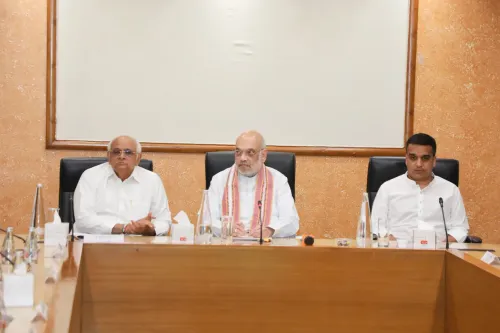
Ahmedabad Municipal Corporation (AMC) organised a two-day active mobility workshop on Thursday in collaboration with MoHUA and GIZ India .
The workshop is part of preparations for the proposed 2030 Commonwealth Games and 2036 Olympic Games .
International experts from the Dutch Cycling Embassy and the ACTIVE Programme , supported by the Netherlands government , led the training.
Participants included officials from AMC , GSRTC , GMRC , and students from CEPT University .
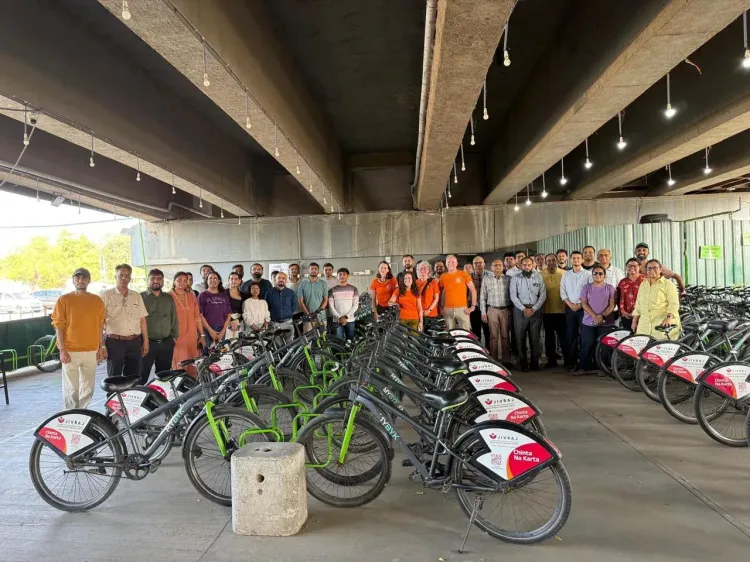
A guided cycle ride with MYBYK and an on-site road assessment formed the practical components of the programme.
An online follow-up session is planned to track implementation and provide additional guidance.
Ahmedabad moved closer to its urban transport transformation goals on Thursday with a two-day capacity-building workshop on active mobility, organised by the Ahmedabad Municipal Corporation (AMC) in collaboration with the Ministry of Housing and Urban Affairs (MoHUA). The programme is part of preparations for the proposed 2030 Commonwealth Games and the 2036 Olympic Games, with a focus on building safer, people-centred streets that integrate walking and cycling into the city's transport network.
Workshop Background and Structure
The training was conducted under the Sustainable Urban Mobility – Air Quality, Climate Action and Accessibility (SUM-ACA) project, a wider initiative supported by MoHUA and the German Agency for International Cooperation (GIZ) India. International experts from the Dutch Cycling Embassy and the ACTIVE Programme, backed by the Netherlands government, led the sessions, sharing global examples of pedestrian- and cycling-oriented urban planning and discussing approaches adaptable to Indian cities.
The programme opened with a pre-workshop discussion to map local challenges and priorities, followed by two days of technical sessions. An online follow-up session is planned to assess implementation, gather feedback, and provide additional guidance.
Who Participated
Participants included officials from the Ahmedabad Municipal Corporation, the Gujarat State Road Transport Corporation (GSRTC), the Gujarat Metro Rail Corporation (GMRC), students from CEPT University, and representatives of technical organisations engaged in urban mobility projects with the civic body. The cross-sectoral mix was deliberate — bringing together policymakers, planners, and the next generation of urban designers under one roof.
Key Training Themes
Sessions combined classroom instruction, group discussions, and practical design exercises covering complete streets, safe intersection design, universal accessibility, cycling infrastructure, pedestrian safety, and the integration of walking and cycling with public transport. A standout feature was an on-site learning session in which participants assessed existing road conditions at selected locations and developed design recommendations based on concepts covered in the training.
On the second day, a guided cycle ride was organised in collaboration with MYBYK, giving participants direct experience of Ahmedabad's existing cycling infrastructure. The exercise underscored the importance of incorporating cyclists' perspectives into street design decisions.
Significance for CWG 2030 and Olympics 2036
According to the organisers, the workshop is a critical component of a broader capacity-building drive tied to the Centre's plans for hosting the 2030 Commonwealth Games and the 2036 Olympic Games. The aim is to develop a modern, sustainable urban transport system capable of meeting the demands of international sporting events. At the concluding session, participants presented their observations and design recommendations for improving the city's roads and public spaces.
The Ahmedabad Municipal Corporation acknowledged the contributions of the Netherlands government, expert trainers, GIZ India, the SUM-ACA team, MYBYK, CEPT University, and all participating organisations. As Ahmedabad positions itself as a global sports host city, the push for inclusive, environmentally sustainable mobility infrastructure is set to intensify in the months ahead.
Point of View
Ahmedabad has a narrow window to convert training into enforceable street design standards before construction timelines lock in the old model.
NationPress
1 Oct 2026
Frequently Asked Questions
What was the Ahmedabad active mobility workshop about?
It was a two-day capacity-building programme on walking and cycling infrastructure organised by the Ahmedabad Municipal Corporation in collaboration with MoHUA and GIZ India. The workshop covered complete streets, safe intersection design, cycling infrastructure, and pedestrian safety as part of preparations for the 2030 Commonwealth Games and 2036 Olympic Games.
Who conducted the training at the Ahmedabad workshop?
International experts from the Dutch Cycling Embassy and the ACTIVE Programme, supported by the Netherlands government, led the sessions. They shared global examples of pedestrian- and cycling-friendly urban planning and discussed approaches adaptable to Indian cities.
How does this workshop connect to CWG 2030 and Olympics 2036?
According to the organisers, the workshop is a key component of a broader capacity-building drive linked to the Centre's plans for hosting the 2030 Commonwealth Games and the 2036 Olympic Games. The goal is to develop a modern, sustainable urban transport system that meets international sporting event standards.
Which organisations participated in the Ahmedabad mobility workshop?
Participants included officials from the Ahmedabad Municipal Corporation, Gujarat State Road Transport Corporation (GSRTC), Gujarat Metro Rail Corporation (GMRC), students from CEPT University, and representatives of technical organisations involved in urban mobility projects. A guided cycle ride was also conducted in collaboration with MYBYK.
What happens after the workshop?
An online follow-up session is planned to assess how training concepts are being implemented, gather participant feedback, and provide additional guidance where needed. Participants also presented design recommendations for improving Ahmedabad's roads and public spaces at the concluding session.