AIADMK, DMK, DMDK boycott TN CM Vijay's delimitation meet in Chennai
Synopsis
Three of Tamil Nadu's biggest political forces — AIADMK, DMK, and DMDK — refused to attend CM C. Joseph Vijay's delimitation consultation on 8 August, exposing the limits of the government's cross-party outreach. With Kamal Haasan reportedly abroad and senior AIADMK MPs staying put in New Delhi, the meeting that was meant to forge a unified Tamil Nadu position on parliamentary seat redistribution instead highlighted how fractured that consensus actually is.
Key Takeaways
AIADMK , DMK , and DMDK announced boycotts of CM C.
Joseph Vijay's delimitation consultative meeting on 8 August in Chennai .
The meeting was convened at Kalaivanar Arangam at 3 pm to discuss Tamil Nadu's position on the proposed parliamentary delimitation exercise.
The DMK called the consultation a political exercise and said it would decide its stand only after legislation is formally placed before Parliament .
Senior AIADMK MPs Thambidurai and Inbadurai remained in New Delhi rather than attending.
Under one projection, Tamil Nadu's Lok Sabha seats could rise from 39 to approximately 59 under the proposed delimitation framework.
Makkal Needhi Maiam MP Kamal Haasan was reportedly in the United States , making MNM representation unlikely.
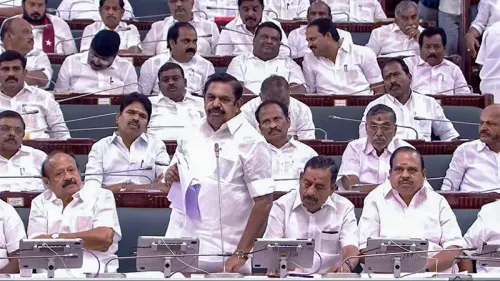
Tamil Nadu Chief Minister C. Joseph Vijay's bid to forge a unified political front on the proposed delimitation of parliamentary constituencies hit a significant hurdle on Saturday, 8 August, as three major parties — the All India Anna Dravida Munnetra Kazhagam (AIADMK), the Dravida Munnetra Kazhagam (DMK), and the Desiya Murpokku Dravida Kazhagam (DMDK) — announced they would boycott a consultative meeting of Tamil Nadu MPs convened by the state government in Chennai.
About the Meeting
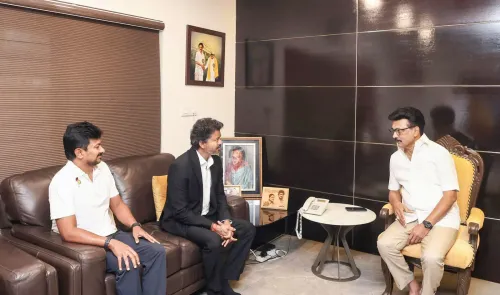
The consultation was scheduled at Kalaivanar Arangam at 3 pm, with CM Vijay presiding. Both Lok Sabha and Rajya Sabha members from Tamil Nadu were invited to deliberate on the potential consequences of the proposed delimitation exercise for the state's representation in Parliament. Invitations were dispatched through the Tamil Nadu House in New Delhi, signalling the government's intent to present a consolidated state position on the contentious issue.
Why the Major Parties Stayed Away
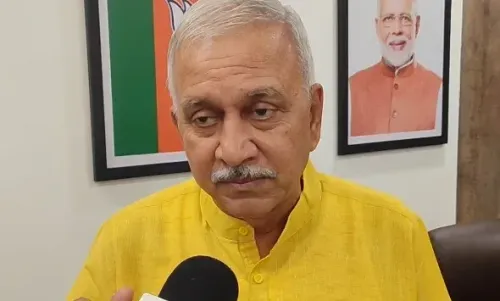
The AIADMK opted to skip the meeting, with senior party MPs including Thambidurai and Inbadurai remaining in New Delhi rather than attending. The DMK went further, formally announcing a boycott and characterising the consultation as a political exercise by the CM Vijay government. The party maintained that its position on delimitation was unchanged and stated it would determine its stand on any related legislation only after it is formally tabled before Parliament. Senior DMK leader R.S. Bharathi had said on Friday that the party would examine the provisions of any proposed legislation before deciding whether to support or oppose it. The DMDK similarly chose not to participate, with party MP Sudheesh expected to be absent.
Other Notable Absences
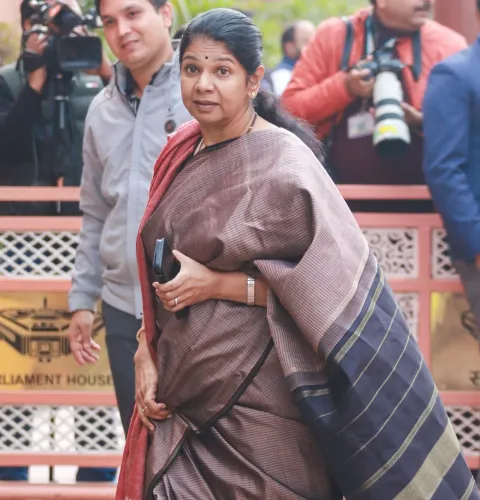
Makkal Needhi Maiam (MNM) was also unlikely to be represented at the meeting, as its Rajya Sabha MP Kamal Haasan is reportedly in the United States. The cumulative effect of these absences left the CM's outreach effort short of the broad cross-party consensus it had sought to project.
The Delimitation Debate and What Is at Stake
The proposed delimitation framework has become deeply contentious, particularly among southern states. The core concern is that states which successfully managed population growth could be penalised if parliamentary representation is recalibrated primarily on population size — effectively rewarding states with higher birth rates with more seats. Under one projection being discussed, the strength of the Lok Sabha could rise substantially from the current 543 elected seats, with Tamil Nadu's tally potentially increasing from 39 to approximately 59 seats while broadly retaining its proportional share in the House. The issue has also gained visibility during the ongoing Monsoon Session of Parliament, adding urgency to state-level consultations.
What Happens Next
Saturday's meeting was expected to examine these concerns and help the Tamil Nadu government crystallise its formal position. With key opposition parties absent, however, any stance that emerges will lack the cross-party legitimacy the government had sought. Observers note that the boycott deepens the political fault lines around delimitation ahead of what could be a defining legislative battle for southern states.
Point of View
DMK, and DMDK is not merely an act of political theatre — it exposes a structural problem with CM Vijay's strategy. Convening a cross-party consultation without securing prior buy-in from the state's most powerful opposition blocs risks producing a position paper that carries the government's stamp but not Tamil Nadu's collective voice. The DMK's framing — that this is a political exercise rather than a genuine consultation — will resonate with parties wary of lending legitimacy to a rival government's initiative. More broadly, the delimitation debate is testing whether southern states can act in concert; the fractures visible in Chennai on Saturday suggest that unity, if it comes, will be forged in Parliament rather than in state-level consultations.
NationPress
22 Sept 2026
Frequently Asked Questions
Why did AIADMK, DMK, and DMDK boycott the Tamil Nadu delimitation meeting?
The three parties declined to attend CM C. Joseph Vijay's consultative meeting on 8 August, citing political objections. The DMK formally described the consultation as a political exercise by the Vijay government and said it would assess any delimitation legislation only after it is placed before Parliament.
What was the purpose of CM Vijay's delimitation meeting in Chennai?
The meeting, convened at Kalaivanar Arangam on 8 August, was intended to bring together Tamil Nadu's Lok Sabha and Rajya Sabha members to deliberate on the implications of the proposed parliamentary delimitation exercise and help the state government formulate a unified position.
How could the proposed delimitation affect Tamil Nadu's parliamentary representation?
Under one projection being discussed, Tamil Nadu's Lok Sabha seats could increase from the current 39 to approximately 59 if the total strength of the House rises substantially from the existing 543 elected seats, while broadly preserving the state's proportional share. However, concerns persist that population-based redistribution could disadvantage states that controlled demographic growth.
Who else was absent from the delimitation consultation?
Makkal Needhi Maiam was also unlikely to be represented, as its Rajya Sabha MP Kamal Haasan was reportedly in the United States. Senior AIADMK MPs Thambidurai and Inbadurai remained in New Delhi rather than travelling to Chennai for the meeting.
What is the broader political context of the delimitation debate?
The delimitation issue has intensified during the ongoing Monsoon Session of Parliament, with southern states expressing concern that representation recalibrated primarily on population size would penalise states that successfully reduced birth rates. Tamil Nadu, along with other southern states, has been vocal about protecting its current proportional share of Lok Sabha seats.