Air India Frankfurt-Delhi flight cleared after hijack alert at Jaipur
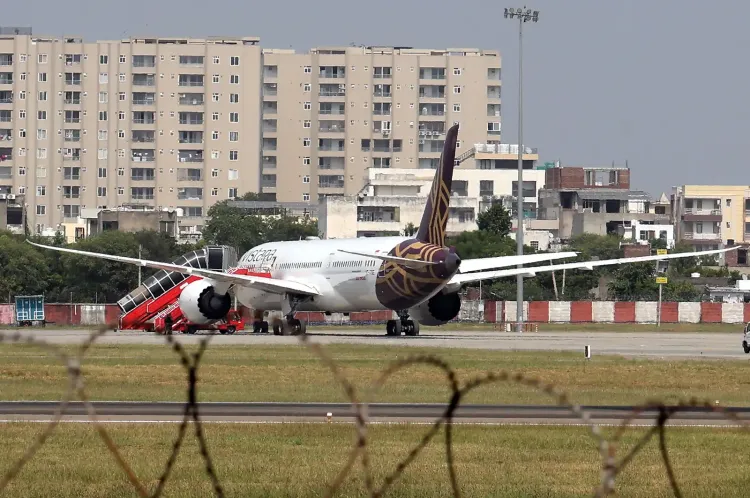
Synopsis
An Air India Frankfurt-to-Delhi flight carrying around 300 passengers triggered a Code 7500 hijack alert mid-flight, forcing an emergency landing at Jaipur on 14 October. After a 2.5-hour multi-agency sweep found nothing suspicious, the flight was cleared to proceed — but the cause of the alert, which the pilot reportedly denied triggering accidentally, remains under investigation.
Key Takeaways
Air India flight AI-2030 made an emergency landing at Jaipur International Airport on 14 October after a Code 7500 hijack alert was received by Ahmedabad ATC .
Approximately 300 passengers were deboarded and the aircraft was moved to an isolation bay for security checks.
A multi-agency inspection lasting around two and a half hours found no suspicious objects on board.
The pilot was questioned but reportedly denied accidentally pressing the alert button; the cause remains under investigation.
An NSG team in Delhi was reportedly placed on standby, though deployment to Jaipur was not officially confirmed.
The flight was subsequently cleared and passengers were asked to reboard for the onward journey to Delhi .
Air India flight AI-2030, operating from Frankfurt to Delhi, was cleared to continue its journey on Wednesday, 14 October after an emergency landing at Jaipur International Airport triggered by a reported hijack alert. Security checks lasting approximately two and a half hours found nothing suspicious on board, airport officials confirmed.
How the Alert Unfolded
The aircraft, which had departed Frankfurt at 9.45 pm on 13 October and was scheduled to reach Delhi by 10.40 am on 14 October, was diverted mid-flight after Ahmedabad Air Traffic Control (ATC) reportedly received a Code 7500 signal — the internationally recognised transponder code indicating unlawful interference or hijacking. The alert was relayed to Jaipur ATC, and the aircraft was directed to land at Jaipur International Airport at around 9.45 am IST.
Code 7500, when received by ATC, initiates an immediate and coordinated security response involving the flight crew, ground control, and relevant security agencies — even when the alert is suspected to be accidental or the result of a technical fault.
Security Response on the Ground
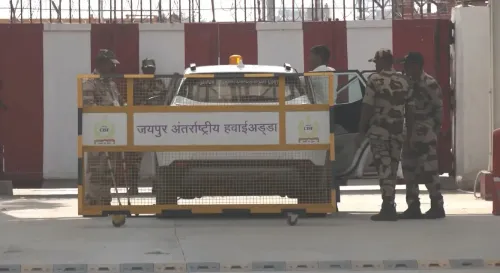
Upon landing, the aircraft was moved to an isolation bay. All approximately 300 passengers on board were deboarded as a precautionary measure. A multi-agency security inspection was immediately launched, with personnel from the Central Industrial Security Force (CISF) and the Anti-Terrorism Squad (ATS) conducting thorough checks of the aircraft. Security was also tightened across Jaipur Airport during the operation.
According to reports, an NSG team in Delhi was placed on standby, though its deployment to Jaipur was not officially confirmed at the time of reporting.
Pilot Questioned, Cause Under Investigation
Security agencies questioned the pilot to establish how the hijack alert was triggered. Initial accounts suggested two possible explanations: the pilot may have inadvertently pressed the designated alert button, or a technical or system error may have generated the signal. However, the pilot reportedly denied accidentally pressing the alert button during questioning.
Notably, no official statement had been issued clarifying the cause of the alert at the time of reporting, and the precise circumstances remained under active investigation.
Passengers Cleared, Flight Resumes
After the inspection concluded, officials said passengers were asked to reboard flight AI-2030, which was preparing to depart for Delhi. The aircraft was cleared to proceed following the security agencies' assessment that no suspicious objects or persons had been found on board.
The incident comes at a time of heightened aviation security awareness globally, and Indian authorities' swift, multi-agency response underscores the standard protocol for any Code 7500 activation — regardless of whether the alert is ultimately verified. Investigators are expected to determine the precise trigger in the days ahead.
Point of View
ATS, and a reported NSG standby — reflects how seriously Indian aviation authorities treat any Code 7500 activation, and rightly so. What this incident also exposes is a gap in accountability: the cause of the alert remains publicly unexplained hours after the aircraft was cleared. If it was a technical fault, that raises airworthiness questions about the specific transponder system. If it was human error, procedures around accidental activation need review. The silence from Air India and the Directorate General of Civil Aviation (DGCA) on the root cause is itself a story — one that passengers and regulators should press for answers on.
NationPress
14 Oct 2026
Frequently Asked Questions
What happened to the Air India flight that landed in Jaipur on 14 October?
Air India flight AI-2030, flying from Frankfurt to Delhi, made an emergency landing at Jaipur International Airport on 14 October after Ahmedabad ATC received a Code 7500 hijack alert from the aircraft. All approximately 300 passengers were deboarded, the plane was inspected for over two hours, and nothing suspicious was found.
What is Code 7500 and why does it trigger such a response?
Code 7500 is the internationally recognised transponder code a pilot uses to indicate unlawful interference, including a hijacking. When ATC receives this signal, it initiates an immediate coordinated security response involving ground agencies — even if the alert is suspected to be accidental or caused by a technical fault.
Was the hijack alert on the Air India flight genuine?
Authorities found no suspicious objects or individuals on board after a thorough inspection. The cause of the alert had not been officially confirmed at the time of reporting. Initial accounts pointed to either an accidental button press or a technical error, but the pilot reportedly denied triggering it accidentally, leaving the matter under investigation.
Which security agencies responded to the Jaipur hijack alert?
Personnel from the Central Industrial Security Force (CISF) and the Anti-Terrorism Squad (ATS) conducted checks at Jaipur Airport. An NSG team in Delhi was reportedly placed on standby, though its deployment to Jaipur was not officially confirmed.
When was the Air India flight cleared to continue to Delhi?
Following the completion of security checks lasting approximately two and a half hours, the aircraft was cleared and passengers were asked to reboard flight AI-2030, which was then preparing to depart for Delhi on the afternoon of 14 October.