Air India pilot tests positive for psychoactive substance after Phuket-Delhi altitude upset

Synopsis
The pilot of Air India flight AI-2379 — which lost all three hydraulic systems and lurched 292 feet off altitude over Odisha — has tested positive for a psychoactive substance in confirmatory tests. The AAIB has now formally recommended that the DGCA take priority action, raising the stakes for both the airline and India's aviation regulator.
Key Takeaways
Air India pilot-in-command of flight AI-2379 (Phuket–Delhi) tested positive for a psychoactive substance in a confirmatory blood test, per the AAIB preliminary report dated 4 September .
The AAIB has formally recommended the DGCA take appropriate action on priority following the positive result.
The incident occurred on 4 August when the Airbus A320 lost all three hydraulic systems at 36,000 feet over Odisha , causing an altitude swing of 372 feet up and 292 feet down .
At least 20 passengers and 4 crew members were injured; 145 people were on board in total.
Air India has begun voluntary testing of all its pilots and reiterated zero tolerance for safety breaches.
The co-pilot's tests returned negative in both screenings.
The pilot-in-command of Air India flight AI-2379, operating from Phuket to Delhi, has tested positive for a psychoactive substance in a confirmatory test following a serious altitude upset during cruise, the Aircraft Accident Investigation Bureau (AAIB) stated in a preliminary report released on Friday, 4 September. The bureau has recommended that the Directorate General of Civil Aviation (DGCA) take appropriate action on priority in light of the confirmatory test result.
What the AAIB Preliminary Report Found
Both flight crew members underwent post-flight medical screening upon landing in Delhi, with breathalyser results returning satisfactory for both. However, a psychoactive substance detection test found the pilot-in-command's (PIC) sample non-negative, while the co-pilot's sample was negative.
Blood samples of both crew members were subsequently dispatched to a pathological laboratory for confirmatory testing. According to the report, 'The confirmatory test report of PIC was found non-negative whereas the sample of the Co-Pilot was found negative in both the tests.'
Detailed investigations into technical and other aspects of the incident remain ongoing, the bureau added.
The Altitude Upset Over Odisha
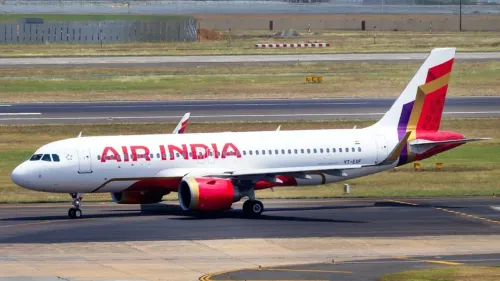
The incident occurred on 4 August when the Airbus A320, operating as flight AI-2379, lost all three hydraulic systems while cruising at 36,000 feet over Odisha. The aircraft initially gained 372 feet before falling 292 feet from its assigned altitude — a sequence that caused significant disruption on board.
There were 145 people on board, comprising 137 passengers, six cabin crew, and two pilots. At least 20 passengers and four crew members sustained injuries. The aircraft sustained damage primarily to overhead storage bins and ceiling panels. Notably, no discrepancies were recorded during the pre-flight inspection at Phuket, except for an already-invoked Minimum Equipment List item, and the flight crew reported no issues during their walk-around inspection.
Air India's Response
Air India said it is fully cooperating with the investigation and has initiated voluntary testing of all its pilots following the incident. 'Safety remains Air India's highest priority,' the airline said in a statement, adding that it maintains zero tolerance for breaches of safety, fitness, or regulatory requirements.
Regulatory and Safety Implications
The AAIB's recommendation that the DGCA act on priority marks a significant escalation. Aviation regulators globally treat substance impairment among flight crew as one of the most serious safety breaches possible. This comes amid growing scrutiny of airline safety protocols in India, with the DGCA already under pressure to strengthen oversight mechanisms. The outcome of the DGCA's action — and whether it results in licence suspension or further regulatory reform — will be closely watched by the industry.
Point of View
But the industry will be watching whether it becomes a lasting protocol or a one-cycle response to a headline.
NationPress
4 Sept 2026
Frequently Asked Questions
What happened on Air India flight AI-2379 from Phuket to Delhi?
On 4 August, the Airbus A320 operating as flight AI-2379 lost all three hydraulic systems while cruising at 36,000 feet over Odisha. The aircraft gained 372 feet and then dropped 292 feet from its assigned altitude, injuring at least 20 passengers and 4 crew members among the 145 people on board.
Why did the AAIB recommend DGCA action against the Air India pilot?
The AAIB recommended priority action by the DGCA after the pilot-in-command's confirmatory blood test returned non-negative for a psychoactive substance. The bureau described this as a serious concern, given that the pilot was in command of a commercial aircraft at the time of the altitude upset.
Did the breathalyser test also show a positive result for the pilot?
No. Both the pilot-in-command and the co-pilot returned satisfactory breathalyser results during post-flight medical screening in Delhi. The positive result emerged only in the subsequent psychoactive substance detection test and was confirmed by a laboratory blood test.
What is Air India doing in response to the incident?
Air India said it is cooperating fully with the AAIB investigation and has launched voluntary testing of all its pilots following the incident. The airline stated that safety is its highest priority and that it maintains zero tolerance for breaches of safety, fitness, or regulatory requirements.
What is the AAIB and what authority does it have?
The Aircraft Accident Investigation Bureau (AAIB) is India's statutory body responsible for investigating civil aviation accidents and incidents. It can issue safety recommendations to regulators such as the DGCA, but enforcement action — including licence suspension or cancellation — rests with the DGCA.