AISA chief Neha Bora appears before SEM Court over ₹10,000 peace bond notice
Synopsis
AISA president Neha Bora stood firm — 'We are not going to sign the bond' — after the Delhi High Court dismissed her challenge to a ₹10,000 peace bond notice tied to an unauthorised protest at Connaught Place. With the SEM Court hearing set for 28 October and BNSS provisions in play, this case is shaping up as an unusual legal test of peace-bond powers against student activists.
Key Takeaways
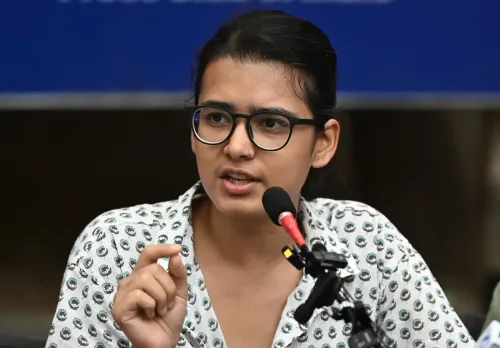
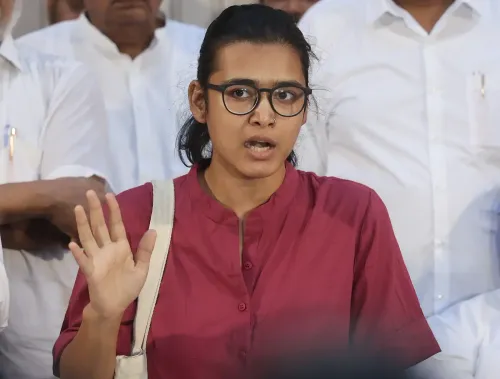
AISA president Neha Bora appeared before the SEM Court at Mandir Marg Police Station, New Delhi on 24 October .
The Delhi High Court dismissed her petition challenging a notice requiring a personal bond of ₹10,000 with one surety.
Delhi Police provided Bora with copies of the documents underlying the show-cause notice, as directed by the High Court.
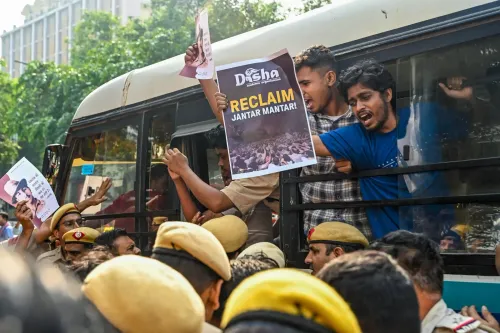
Bora publicly refused to sign the bond: 'We are not going to sign the bond.' Proceedings are linked to the 'Tiranga Assembly' protest on 16 October at Central Park, Connaught Place , which lacked NDMC permission.
The next hearing is scheduled for 28 October , when Bora must submit her formal response to the SEM notice.
All India Students' Association (AISA) president Neha Bora appeared before the Special Executive Magistrate (SEM) Court at Mandir Marg Police Station in New Delhi on Saturday, 24 October, a day after the Delhi High Court dismissed her petition challenging a notice that required her to furnish a personal bond of ₹10,000 with one surety to maintain peace during an ongoing inquiry. The case stems from her alleged involvement in an unauthorised protest held on 16 October at Connaught Place's Central Park.
What Happened in Court
During the 24 October hearing, Delhi Police — acting on the High Court's direction — provided Bora with copies of the documents on the basis of which the original show-cause notice was issued to her. The SEM Court had earlier asked Bora to explain why she should not be directed to execute a personal bond to maintain peace. Proceedings in the matter are being conducted under provisions of the Bharatiya Nagarik Suraksha Sanhita (BNSS).
Bora's Stand: 'We Won't Sign the Bond'
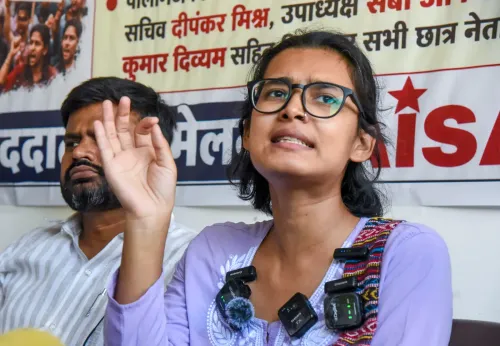
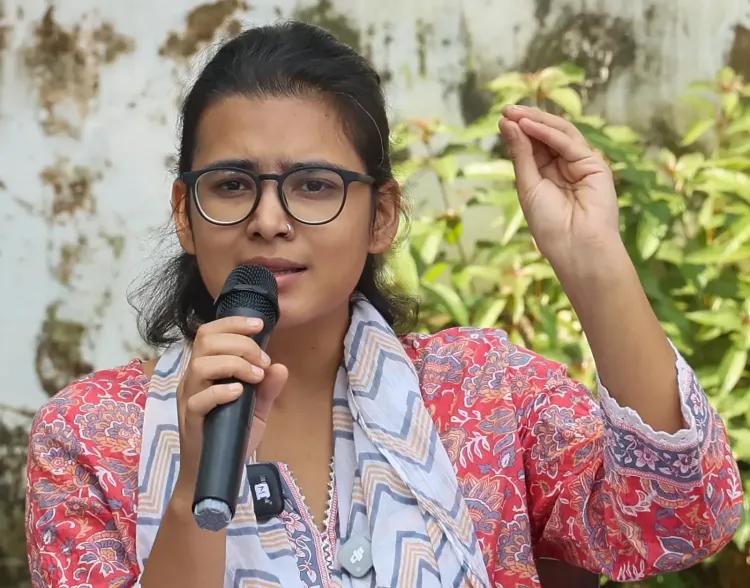
Speaking to reporters before the hearing, Bora made her position unambiguous. 'We are not going to sign the bond,' she said, adding that the AISA intends to continue challenging the notice legally following the High Court's dismissal of her earlier plea. Her defiance signals that the legal battle is far from over, with the next scheduled hearing on 28 October, when she is required to file her formal response to the SEM notice.
The Protest That Triggered the Proceedings
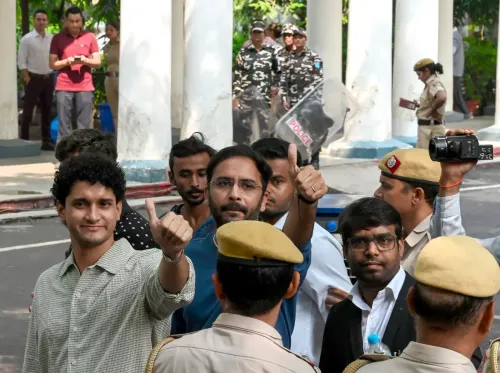
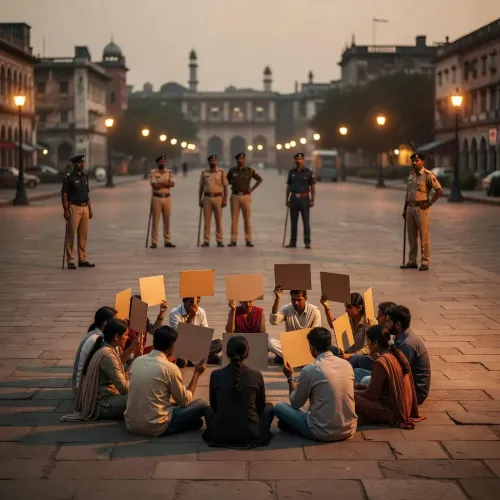
The legal proceedings are linked to the 'Tiranga Assembly' protest called by the Cockroach Janta Party (CJP) on 16 October at Central Park, Connaught Place. The protest had not received permission from the New Delhi Municipal Council (NDMC). Bora, CJP chief Abhijeet Dipke, and several others were detained ahead of the event for allegedly violating police restrictions. The following day, on 17 October, the SEM issued a notice to Bora initiating peace-bond proceedings.
What the Delhi High Court Said
The Delhi High Court dismissed Bora's petition challenging the SEM notice, but simultaneously directed that all documents relied upon in the proceedings be made available to her — a concession that gave her legal team material to mount a substantive defence. The court also instructed the SEM to carefully consider all facts and materials on record before passing any final order. This judicial caution suggests the High Court, while declining to stay proceedings, expects the SEM to exercise measured discretion.
What Happens Next
The case returns to the SEM Court on 28 October, when Bora is expected to submit her formal reply. Her refusal to sign the bond means the SEM could potentially proceed to pass a binding order if her response is found unsatisfactory. Legal observers note that BNSS peace-bond provisions are rarely invoked against student leaders, making this case a notable instance of their application in a protest-related context.
Point of View
But their use in a protest context raises questions about proportionality — especially when the High Court felt it necessary to remind the SEM to weigh all facts carefully before passing a final order. Bora's public refusal to sign escalates the political stakes, turning a routine magistrate proceeding into a test of student dissent rights. The broader question mainstream coverage is missing: if the SEM does pass a binding order, what precedent does that set for future protest organisers under the BNSS framework?
NationPress
24 Oct 2026
Frequently Asked Questions
Why did Neha Bora appear before the SEM Court on 24 October?
Neha Bora appeared before the Special Executive Magistrate Court at Mandir Marg Police Station on 24 October after the Delhi High Court dismissed her plea against a notice requiring her to furnish a ₹10,000 peace bond. The court appearance was part of ongoing proceedings initiated under the Bharatiya Nagarik Suraksha Sanhita (BNSS) over apprehensions of a breach of peace.
What is the peace bond notice issued to Neha Bora?
The SEM Court issued a notice on 17 October asking Bora to explain why she should not be required to execute a personal bond of ₹10,000 with one surety to maintain peace. The notice was triggered by her alleged participation in the unauthorised 'Tiranga Assembly' protest at Central Park, Connaught Place on 16 October.
What did the Delhi High Court decide in Neha Bora's case?
The Delhi High Court dismissed Bora's petition challenging the SEM notice but directed Delhi Police to provide her with all documents relied upon in the proceedings. It also instructed the SEM to carefully consider all facts and materials before passing any final order.
What is the 'Tiranga Assembly' protest linked to this case?
The 'Tiranga Assembly' was a protest called by the Cockroach Janta Party (CJP) on 16 October at Central Park in Delhi's Connaught Place. The event did not have permission from the New Delhi Municipal Council (NDMC), and Bora, CJP chief Abhijeet Dipke, and several others were detained for allegedly violating police restrictions ahead of the protest.
What happens at the 28 October hearing?
At the next SEM Court hearing on 28 October, Neha Bora is required to file her formal response to the show-cause notice. If her response is found unsatisfactory, the SEM could proceed to pass a binding order directing her to execute the peace bond under BNSS provisions.