Akhilesh Yadav targets Centre over rising LPG prices
Synopsis
Samajwadi Party president Akhilesh Yadav on 8 June 2026 used a sardonic Hindi quip to attack the central government over rising LPG prices, saying families are improvising cylinders as stoves because refills are unaffordable — reigniting the debate over cooking-fuel welfare.
Key Takeaways
Akhilesh Yadav posted on 8 June 2026 criticising the rising cost of domestic LPG cylinders in India.
His post used the ironic phrase 'aapda mein aavishkar' ('innovation in adversity') to mock households forced to improvise cooking arrangements.
The Pradhan Mantri Ujjwala Yojana , launched in May 2016 , provided free LPG connections to below-poverty-line women but refill affordability has remained contested.
The Samajwadi Party has consistently argued that high refill costs leave many PMUY beneficiaries unable to use their connections.
Primary stakeholders affected are rural women and low-income households , who risk reverting to biomass fuels when LPG prices rise.
LPG subsidy allocations in the next Union Budget and oil marketing company pricing decisions will be key policy flashpoints to watch.
Samajwadi Party president Akhilesh Yadav on Monday, 8 June 2026, took a sharp dig at the central government over rising domestic LPG prices, posting a sardonic quip on X that captured what he described as the household ingenuity forced upon ordinary Indians by fuel unaffordability.
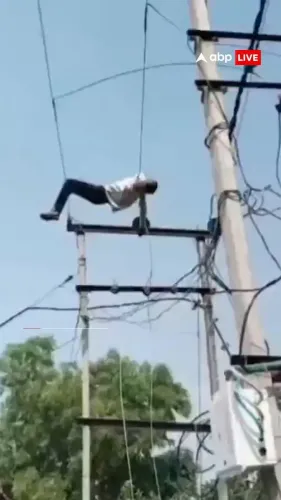
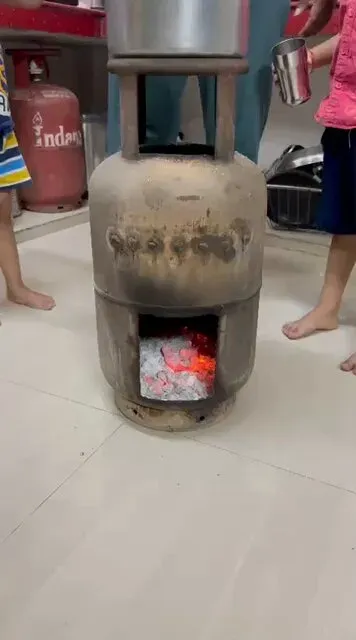
In the post, Yadav wrote in Hindi: 'आपदा में आविष्कार!' — loosely translated as 'Innovation born of crisis!' — before adding: 'When gas became too expensive, people turned the very cylinder that used to light the stove into the stove itself.' The two-line post, accompanied by two video clips, drew wide attention as a pointed commentary on the economic squeeze facing low-income households.
Context
The post is a play on the phrase 'aapda mein aavishkar' ('invention in adversity'), a concept that has circulated in Indian political rhetoric. Yadav deploys it here with irony: rather than celebrating ingenuity, he frames it as evidence of desperation — families improvising makeshift cooking arrangements because a commercially supplied LPG cylinder has become unaffordable.
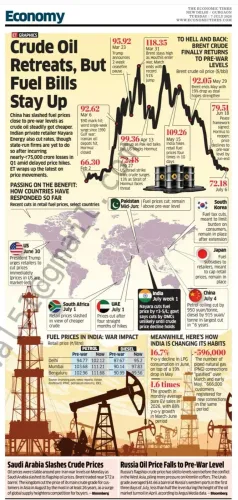
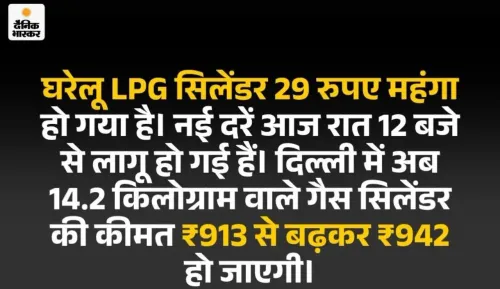
Domestic LPG prices in India have seen multiple revisions over the years, with subsidy structures altered across successive Union Budgets since 2014. For households at the economic margins, even modest price increases can push cylinder refills out of reach.
Policy Backdrop
The Pradhan Mantri Ujjwala Yojana (PMUY), launched in May 2016, aimed to bring clean cooking fuel to women from below-poverty-line households by providing free LPG connections. The scheme has been widely cited by the BJP-led central government as a landmark welfare measure.
However, opposition parties — including the Samajwadi Party — have consistently argued that the cost of cylinder refills remains prohibitive for many PMUY beneficiaries, effectively rendering the connections dormant. The gap between connection ownership and actual usage has been a recurring fault line in the political debate over energy welfare in Uttar Pradesh and other states.
Stakeholders and Impact
The sharpest impact of LPG price increases falls on rural women and low-income households, who are the primary beneficiaries of PMUY and the primary cooks in most Indian homes. When cylinder costs rise, these families often revert to biomass fuels — firewood, dung cakes, crop residue — with documented consequences for indoor air quality and health.
For the Samajwadi Party, which draws significant electoral support from Uttar Pradesh's agrarian and working-class communities, fuel affordability is not merely a policy issue but a mobilisation tool. Yadav's post fits a pattern of using social media to translate macro-economic data into visceral, household-level imagery that resonates with the party's base.
What's Next
Attention will turn to the next Union Budget session and any revisions announced by oil marketing companies on domestic LPG pricing. Opposition parties are expected to press the government on subsidy restoration for PMUY beneficiaries, particularly ahead of state assembly cycles.
Whether the government responds with a price rollback, an enhanced direct-benefit transfer, or a targeted subsidy for below-poverty-line consumers will determine the political salience of this issue in the months ahead.
Point of View
He frames welfare delivery as failure rather than achievement. The attack lands hardest on the PMUY narrative, which the BJP has used as a flagship social-sector credential since 2016. If LPG affordability remains unaddressed heading into the next electoral cycle, this line of criticism is likely to intensify across the opposition spectrum.
NationPress
22 Oct 2026
Frequently Asked Questions
Why is Akhilesh Yadav criticising LPG prices?
Akhilesh Yadav posted on 8 June 2026 to highlight that rising domestic LPG cylinder prices are making cooking gas unaffordable for low-income households, forcing families to improvise alternatives. He has long argued that high refill costs undermine the Pradhan Mantri Ujjwala Yojana's welfare goals.
What is the Pradhan Mantri Ujjwala Yojana?
The Pradhan Mantri Ujjwala Yojana (PMUY) is a central government scheme launched in May 2016 that provides free LPG connections to women from below-poverty-line households, aiming to shift them away from biomass fuels to clean cooking gas.
What does 'aapda mein aavishkar' mean?
'Aapda mein aavishkar' is a Hindi phrase meaning 'invention in adversity' or 'innovation in crisis.' Akhilesh Yadav used it sarcastically to describe families being compelled to use a gas cylinder as a makeshift stove because they cannot afford LPG refills.
How do LPG price hikes affect poor households in India?
When LPG refill prices rise, low-income and rural households — especially PMUY beneficiaries — often cannot afford regular refills and revert to firewood or dung cakes, which have health and environmental downsides. Affordability of refills has been a persistent gap in cooking-fuel welfare policy.
What should I watch next on India's LPG subsidy policy?
Key developments to follow include LPG subsidy announcements in the next Union Budget, pricing revisions by oil marketing companies, and any government response to opposition pressure for enhanced direct-benefit transfers to below-poverty-line households.