Akhilesh Yadav accuses BJP of hiding Delhi pollution data, AQI at 304
Synopsis
Akhilesh Yadav has accused the BJP government of hiding the true scale of Delhi's pollution emergency as the city's AQI sits at a 'very poor' 304 — just days after Diwali. With GRAP Stage III active and no weather relief in sight, the annual smog crisis is fast becoming a political flashpoint.
Key Takeaways
Akhilesh Yadav accused the BJP -led Delhi government of concealing air quality data in a post on X on 10 November 2026 .
Delhi-NCR's AQI stood at 304 ('very poor') around 8:10 am IST , according to CPCB data.
The reading was lower than Monday's post-Diwali peak, but several monitoring stations still reported high pollution levels.
GRAP Stage III restrictions are in force across Delhi and adjoining districts in Haryana , Uttar Pradesh , and Rajasthan .
No immediate meteorological relief is expected, as weather conditions remain unfavourable for pollutant dispersion.
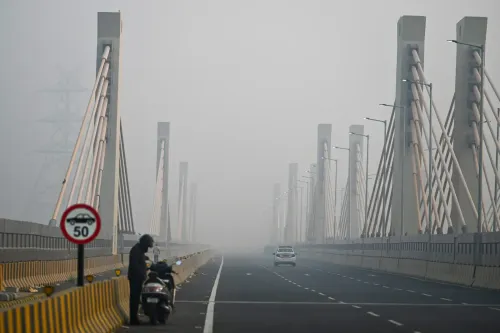
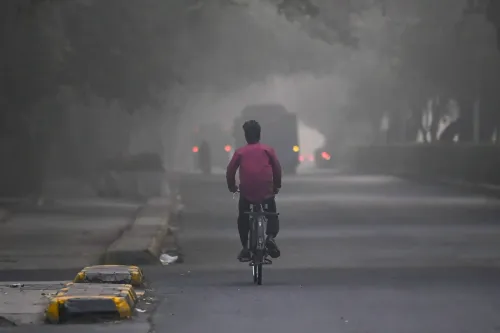
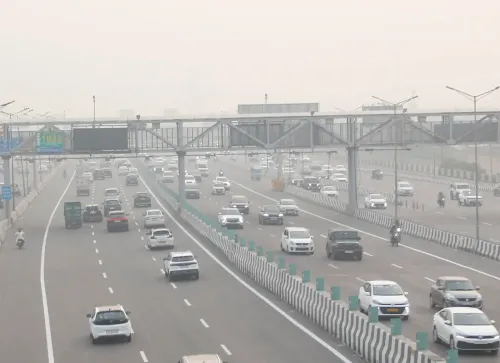
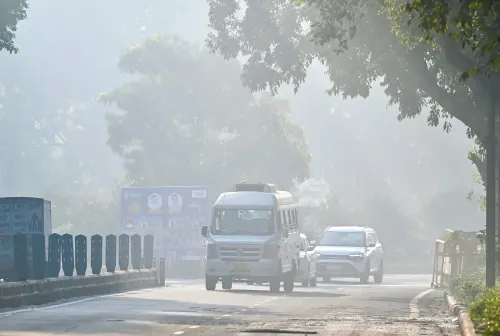
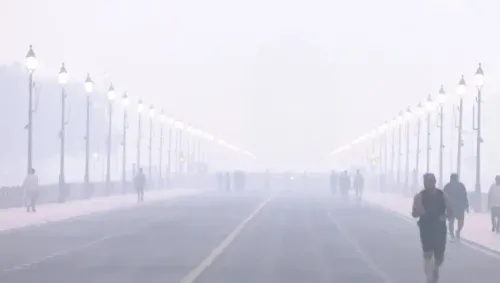
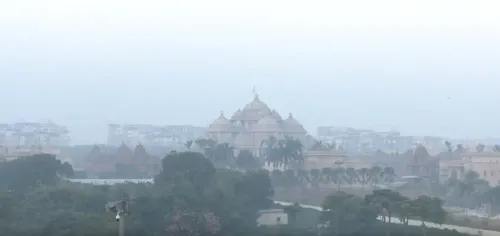
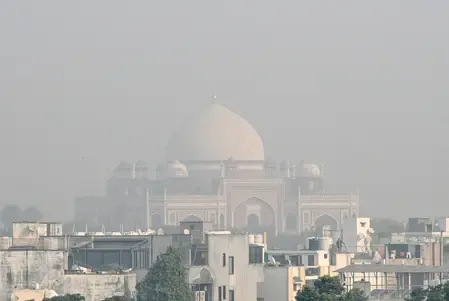
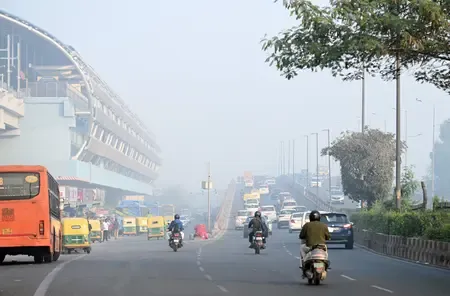
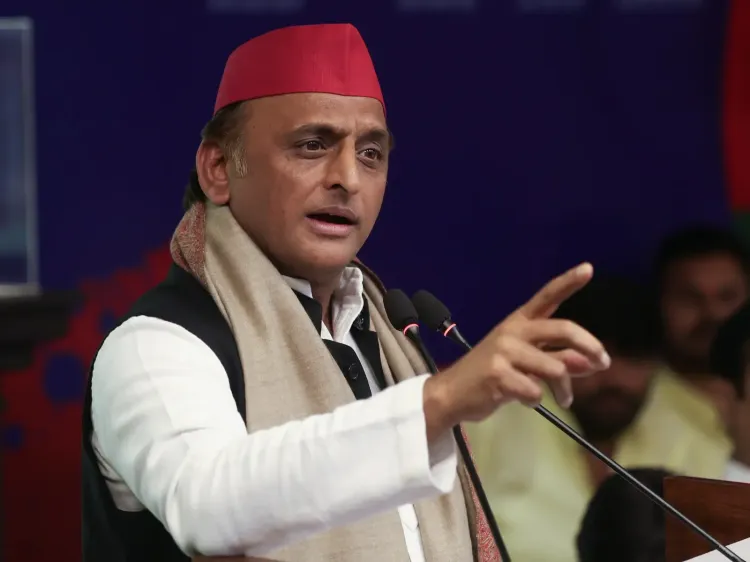
Samajwadi Party (SP) national president Akhilesh Yadav on 10 November 2026 launched a sharp attack on the Bharatiya Janata Party (BJP)-led government in Delhi, accusing it of doctoring air quality statistics to conceal the true scale of the pollution crisis gripping North India. The remarks came as Delhi-NCR's Air Quality Index (AQI) stood at a 'very poor' 304 around 8:10 am IST, according to data from the Central Pollution Control Board (CPCB).
What Akhilesh Yadav Said
In a post on X, Yadav wrote: 'The corrupt BJP government sitting in Delhi wants to cover up the unbearable suffering caused by pollution with a blanket of false statistics. Ask those innocent children, the sick and the elderly who are fighting for their lives with every breath what the truth about pollution levels really is.' He added pointedly: 'The BJP was a liar, is a liar and will remain a liar.'
The statement marks an escalation in the political battle over Delhi's annual winter pollution emergency, with opposition parties increasingly framing the crisis as a governance failure rather than a natural or seasonal phenomenon.
Current Pollution Levels in Delhi-NCR
The AQI reading of 304 — placing the air quality firmly in the 'very poor' category — marked a decline from Monday's peak, recorded a day after Diwali celebrations. However, several monitoring stations across the national capital continued to log elevated levels. Weather conditions are expected to remain largely unfavourable for pollutant dispersion, offering no immediate relief to residents.
GRAP Stage III Restrictions in Force
Authorities have invoked Stage III restrictions under the Graded Response Action Plan (GRAP), following a decision by the Commission for Air Quality Management (CAQM). Officials have been directed to intensify pollution-control measures, tighten enforcement, and ensure compliance to prevent conditions from deteriorating further. The restrictions apply across Delhi and adjoining districts in Haryana, Uttar Pradesh, and Rajasthan.
GRAP is a four-stage emergency framework coordinated by the CAQM, CPCB, and state governments. Forecasts from the India Meteorological Department (IMD) and the Indian Institute of Tropical Meteorology (IITM) trigger preventive action before air quality reaches the 'severe' threshold, the highest tier in the framework.
Political Context and Broader Stakes
Yadav's broadside is the latest in a series of opposition attacks on the Centre and BJP-governed administrations over Delhi's recurring winter smog. This comes amid long-standing disputes between the Delhi government, neighbouring states, and the Centre over the relative contribution of stubble burning, vehicular emissions, and construction dust to the city's deteriorating air. Critics argue the absence of a binding, year-round enforcement plan allows the crisis to repeat itself each October-November. With GRAP Stage III already active and no meteorological relief in sight, the political pressure on authorities is likely to intensify in the coming days.
Point of View
But it also points to a structural failure that transcends party lines. Delhi's winter smog has followed the same script for over a decade — post-Diwali spike, emergency GRAP activation, blame traded between the Centre and state governments, and no durable fix. The opposition's data-credibility argument gains traction precisely because pollution monitoring has historically been opaque and inconsistently reported. Yet the SP itself governs Uttar Pradesh, one of the states contributing to regional airshed pollution. That contradiction goes largely unexamined in the political noise. Until accountability is pinned to measurable, independently verified outcomes, annual GRAP activations will remain a crisis-management ritual rather than a solution.
NationPress
10 Nov 2026
Frequently Asked Questions
What did Akhilesh Yadav say about Delhi's pollution data?
Akhilesh Yadav accused the BJP-led Delhi government of using false statistics to hide the true suffering caused by pollution. In a post on X, he called on people to ask children, the sick, and the elderly about the real state of Delhi's air quality.
What is Delhi's current AQI level?
Delhi's AQI was recorded at 304 around 8:10 am IST on 10 November 2026, placing it in the 'very poor' category according to CPCB data. The reading was lower than Monday's post-Diwali peak but several monitoring stations continued to report elevated pollution.
What is GRAP Stage III and what does it mean for Delhi?
GRAP Stage III is the third level of the Graded Response Action Plan, a four-stage emergency framework triggered when Delhi's air quality reaches 'very poor' levels. Under Stage III, authorities must intensify pollution-control measures, tighten enforcement, and ensure compliance across Delhi and adjoining districts in Haryana, Uttar Pradesh, and Rajasthan.
When will Delhi get relief from the pollution?
No immediate relief is expected, as weather conditions are forecast to remain largely unfavourable for the dispersion of pollutants. The IMD and IITM forecasts that guide GRAP activations have not indicated a significant change in the near term.
Why does Delhi face severe pollution every winter?
Delhi's winter smog results from a combination of stubble burning in neighbouring states, vehicular and industrial emissions, construction dust, and calm, cold weather conditions that trap pollutants close to the ground. The post-Diwali period typically worsens levels due to fireworks, as seen this year with the spike immediately following the festival.