FCRA Bill targets minorities, alleges Akhilesh Yadav; Opposition seeks withdrawal
Synopsis
Akhilesh Yadav has accused the NDA government of using FCRA amendments to suppress minorities — a charge that has unified the Opposition around demands for the Bill's withdrawal or JPC scrutiny. With SP, CPI, and RSP all raising alarms about the law's impact on NGOs and missionary organisations in tribal India, the Bill is shaping up as a flashpoint in Parliament.
Key Takeaways
Akhilesh Yadav alleged on 12 August that proposed FCRA amendments are aimed at targeting minority communities.
SP MP Ram Gopal Yadav warned the Bill could deprive millions of poor children of education and welfare services delivered by NGOs and missionaries in tribal regions.
Santhosh Kumar confirmed the Opposition demanded the Bill be referred to a Joint Parliamentary Committee (JPC) , though he expressed little confidence in the outcome given BJP's majority in such a body.
Premachandran called for outright withdrawal of the Bill, arguing it seeks greater control over minority-run charitable institutions.
The government has not publicly detailed the specific provisions of the proposed amendments.
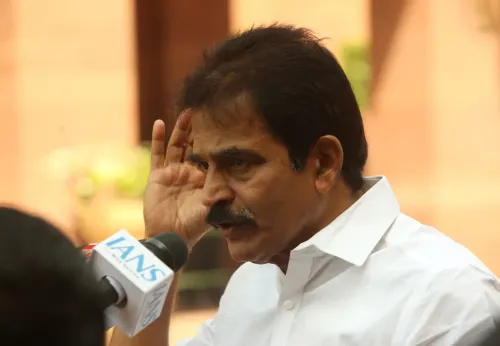
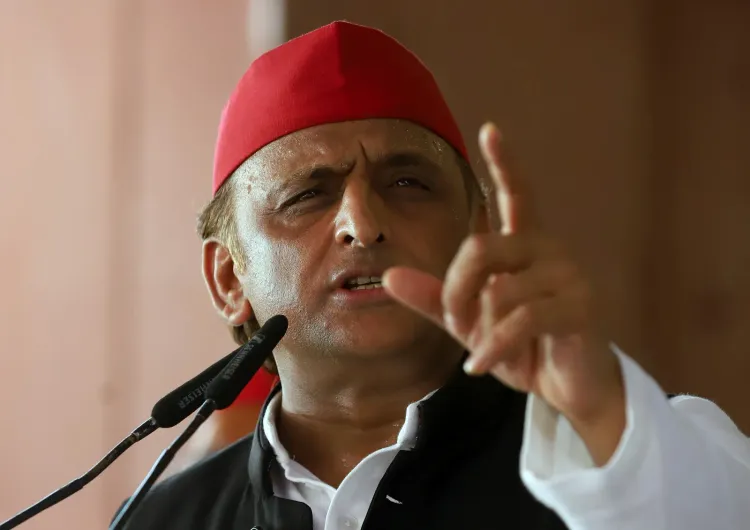
Samajwadi Party chief and Member of Parliament Akhilesh Yadav on Wednesday, 12 August alleged that the proposed amendments to the Foreign Contribution Regulation Act (FCRA) were designed to target minority communities, and accused the National Democratic Alliance (NDA) government of advancing the legislation to serve narrow political interests. The remarks came as Opposition parties in Parliament escalated their demand for the Bill's withdrawal or referral to a Joint Parliamentary Committee (JPC).
What Akhilesh Yadav Said
Speaking to reporters in New Delhi, Yadav questioned the rationale behind the proposed changes. 'Why do they want to bring the FCRA amendments? Is it only to suppress minorities? Is it only to serve their own interests? You are building airports, yet they get flooded with water. You are constructing expressways, yet there are potholes. What are you doing?' he said, drawing a pointed contrast between the government's legislative agenda and its infrastructure record.
Yadav also drew a comparison with a recent aviation controversy, remarking in Hindi: 'Hume plane chalane walon aur pradesh chalane walon mein samanta dikhai de rahi hai' — suggesting a parallel between those managing airlines and those governing states.
Other SP Leaders Raise Concerns
Samajwadi Party MP Awadhesh Prasad argued that legislation without clear intent or a credible implementation plan was counterproductive. 'If the government's intention is not right, then there is no point in passing such a Bill. There are many laws that have been passed but are not being implemented properly and remain ineffective in practice,' he said.
SP MP Ram Gopal Yadav went further, contending that the amendments were unnecessary and potentially harmful to welfare delivery in underserved regions. 'There was no need to bring this Bill in the first place. In states such as Jharkhand, in the Dang region of Gujarat and in other tribal areas, the work done by missionaries, voluntary organisations and NGOs has often been greater than what governments have achieved. Restricting them would deprive millions of poor children of education and other essential services,' he said.
Opposition Demands JPC Referral and Withdrawal
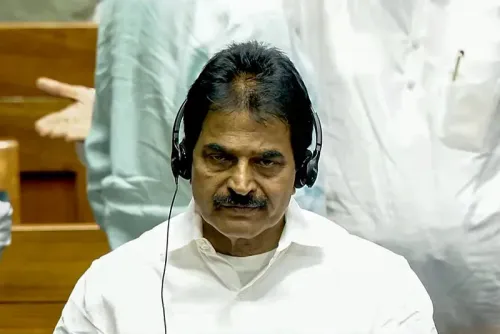
Communist Party of India (CPI) MP P. Santhosh Kumar confirmed that the Opposition had formally demanded the Bill be sent to a JPC for scrutiny. 'There is no necessity for these amendments. However, referring the Bill to a JPC was one of the major demands raised by Opposition parties. Since the BJP will have a majority in the committee, we do not expect any positive outcome,' he said, signalling scepticism about the review process.
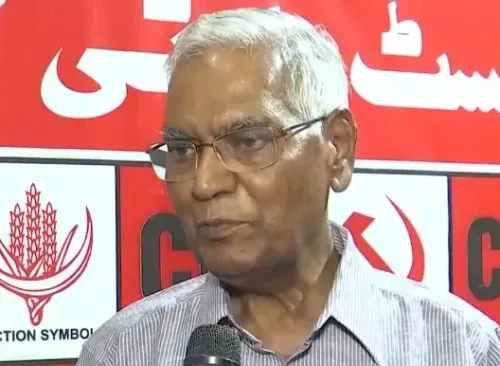
Revolutionary Socialist Party (RSP) MP N.K. Premachandran reiterated his party's unambiguous stance. 'Our consistent stand has been that the FCRA Bill should be withdrawn. The government is now proposing to send it to a Joint Parliamentary Committee, but the purpose of the Bill appears to be to exercise greater control over charitable organisations, NGOs and institutions run by minority communities,' he said.
Why It Matters
The FCRA governs how Indian organisations receive foreign funding, and any tightening of its provisions directly affects the operating capacity of NGOs, religious missions, and civil society groups — many of which deliver education, healthcare, and welfare services in regions where state capacity is limited. Critics argue that successive amendments have progressively narrowed the space for such organisations, particularly those associated with minority communities. This is the latest in a series of legislative confrontations between the ruling alliance and the Opposition over laws perceived to affect minority institutions. The government has not yet publicly detailed the specific provisions of the proposed amendments.
With the Bill's fate now linked to a possible JPC process, the legislative outcome will depend on how the committee's proceedings unfold in the coming weeks.
Point of View
With SP, CPI, and RSP all raising the same alarm about minority institutions. Yet the critique risks being read as defensive of foreign funding rather than of civil society, which is a framing the government will likely exploit. The more substantive concern — that NGOs and missionaries fill a welfare gap the state has not closed, especially in tribal India — deserves scrutiny independent of the political theatre. If the JPC route is taken, the real question is whether the committee's proceedings will be substantive or a procedural formality before passage.
NationPress
12 Aug 2026
Frequently Asked Questions
What are the proposed FCRA amendments that the Opposition is opposing?
The proposed amendments seek to modify the Foreign Contribution Regulation Act, which governs how Indian organisations receive foreign funding. Critics, including multiple Opposition MPs, allege the changes would tighten control over NGOs, missionary organisations, and minority-run institutions, though the government has not yet publicly detailed the specific provisions.
Why is Akhilesh Yadav calling the FCRA Bill anti-minority?
Akhilesh Yadav alleges the NDA government is using the proposed FCRA amendments to suppress minority communities and advance its own political interests. He made the remarks on 12 August while speaking to reporters in New Delhi, questioning the stated rationale for the legislation.
What is a Joint Parliamentary Committee and why is the Opposition demanding one?
A Joint Parliamentary Committee (JPC) is a cross-party parliamentary body formed to scrutinise specific legislation. The Opposition has demanded the FCRA Bill be referred to a JPC for detailed review, though CPI MP P. Santhosh Kumar noted that since the BJP holds a majority in such a committee, the Opposition does not expect a favourable outcome.
How could the FCRA amendments affect NGOs and missionaries in tribal areas?
SP MP Ram Gopal Yadav argued that restricting foreign contributions could undermine the work of voluntary organisations, missionaries, and NGOs in tribal regions of Jharkhand, Gujarat's Dang district, and elsewhere — areas where these groups reportedly provide education and welfare services that governments have not fully delivered.
What is the current status of the FCRA Bill in Parliament?
As of 12 August, the government was reportedly considering referring the Bill to a Joint Parliamentary Committee. The RSP and other Opposition parties continue to demand outright withdrawal of the legislation.