Amit Shah at Amul's World's Largest Dahi Plant Launch in Kolkata
Synopsis
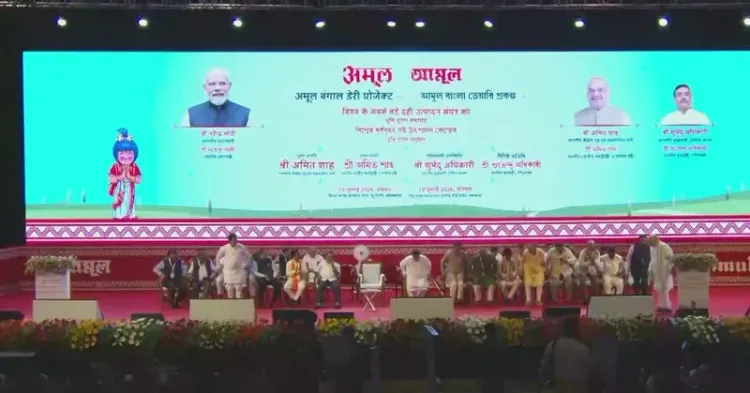
Union Home Minister Amit Shah attended the foundation-stone laying of Amul's world's largest curd plant in Kolkata on July 19, 2026. The project extends India's Gujarat-style cooperative dairy model into eastern India, aligning with the Ministry of Cooperation's mandate to modernise milk procurement and link farmers to national brands.
Key Takeaways
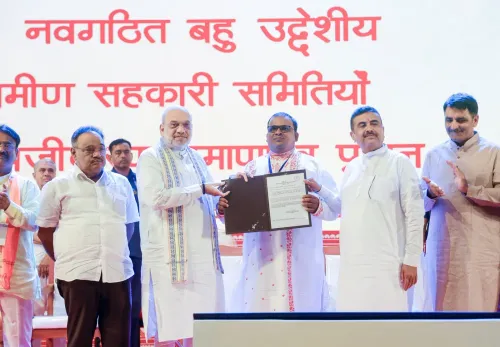
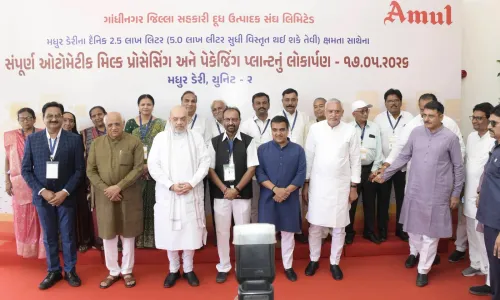
Union Home Minister and Minister of Cooperation Amit Shah attended the foundation-stone ceremony of Amul 's world's largest dahi (curd) plant in Kolkata on July 19, 2026 .
The plant will be operated under the Gujarat Cooperative Milk Marketing Federation (GCMMF) , the body behind the Amul brand.
West Bengal , governed by the Trinamool Congress, is a new frontier for Amul's cooperative dairy expansion in eastern India.
The project aligns with the Ministry of Cooperation 's post-2021 mandate to replicate the Amul cooperative model in states with fragmented milk procurement systems.
Shah posted in both Hindi and Bengali from the live ceremony, signalling political outreach to Bengali-speaking audiences.
Dairy farmers and cooperative societies in West Bengal are the primary intended beneficiaries of organised milk procurement through the new facility.
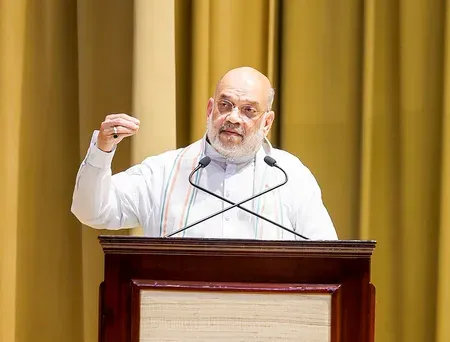
Union Home Minister and Minister of Cooperation Amit Shah attended the foundation-stone laying ceremony of Amul's world's largest curd (dahi) manufacturing plant in Kolkata, West Bengal, on Sunday, July 19, 2026, joining the event live as the landmark cooperative dairy project broke ground in eastern India.
Shah posted on X in both Hindi and Bengali, signalling the ceremony live — 'पश्चिम बंगाल के कोलकाता में अमूल के विश्व के सबसे बड़े दही प्लांट के शिलान्यास समारोह से लाइव' ('Live from the foundation-stone ceremony of Amul's world's largest dahi plant in Kolkata, West Bengal') — underscoring the political and symbolic weight attached to the event.
Context
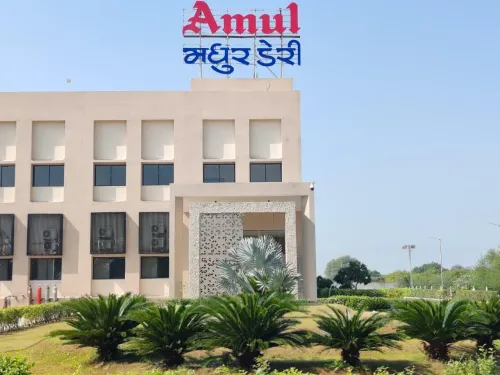
The Kolkata facility, once operational, is projected to be the single largest curd-production plant in the world under the Amul brand, which is owned by the Gujarat Cooperative Milk Marketing Federation (GCMMF). The choice of West Bengal — a state governed by the Trinamool Congress and traditionally outside Gujarat's dairy cooperative orbit — is significant. It marks a deliberate geographic expansion of the Amul model into eastern India's large and largely unorganised dairy market.
Shah's presence as Minister of Cooperation — the portfolio that directly oversees India's cooperative sector — lends the event a clear policy dimension beyond a routine corporate milestone.
Policy Backdrop
The Ministry of Cooperation was carved out as a standalone ministry in July 2021, with Shah at its helm, specifically to give institutional momentum to India's cooperative movement — of which Amul is the most celebrated example. Since then, the ministry has pushed to replicate Gujarat-style dairy cooperatives in states where milk procurement remains fragmented and farmer returns are low.
The National Dairy Development Board has run parallel expansion programmes aimed at linking farmers in eastern and northeastern states directly to organised national brands. The Kolkata plant fits squarely within this policy arc, potentially enabling West Bengal's dairy farmers to supply milk to a nationally recognised cooperative rather than selling through informal intermediaries.
Stakeholders and Impact
The most direct beneficiaries of the plant would be dairy farmers and cooperative societies across West Bengal, who stand to gain access to a structured, price-stable procurement system. For urban consumers in Kolkata and surrounding eastern Indian markets, the plant could improve the availability and shelf-life reliability of packaged curd.
For the central government, the project represents a visible demonstration that cooperative dairy infrastructure — long associated with western India — can be scaled nationally. Shah's bilingual post in Hindi and Bengali also reflects an outreach to Bengali-speaking audiences, notable given the BJP's continued electoral focus on West Bengal.
What's Next
Attention will now turn to the construction timeline of the Kolkata plant and the milk procurement agreements that Amul will need to negotiate with local cooperative societies in West Bengal. Any additional announcements of Amul processing facilities in eastern or northeastern states would reinforce the pattern of cooperative expansion the Ministry of Cooperation has championed since 2021. The project's progress will also be watched as a test of whether national cooperative brands can deepen roots in states where regional political dynamics have historically complicated Centre-led initiatives.
Point of View
He is the political custodian of India's cooperative movement, and this plant is a flagship proof-of-concept for his ministry's eastern expansion strategy. Choosing West Bengal, a state the BJP contests fiercely against the Trinamool Congress, adds an unmistakable electoral subtext to what is also a genuine infrastructure milestone. The bilingual Hindi-Bengali post reinforces that the audience is as much the Bengali voter as it is the policy community. If the plant delivers on procurement promises to local dairy farmers, it could give the cooperative model — and the BJP — a durable footprint in a state where the party has struggled to convert vote share into lasting organisational presence.
NationPress
18 Oct 2026
Frequently Asked Questions
What is the Amul dahi plant being built in Kolkata?
It is the foundation stone of what Amul describes as the world's largest curd (dahi) manufacturing plant, located in Kolkata, West Bengal, with the ceremony held on July 19, 2026.
Why did Amit Shah attend the Amul plant ceremony in Kolkata?
As Union Home Minister and Minister of Cooperation, Amit Shah oversees India's cooperative sector policy, making the Amul cooperative dairy expansion a core part of his ministry's mandate.
What is the Ministry of Cooperation and when was it created?
The Ministry of Cooperation is a standalone central ministry created in July 2021 and headed by Amit Shah, set up to modernise and expand India's cooperative movement, particularly in dairy and agriculture.
How does the Kolkata Amul plant benefit West Bengal dairy farmers?
The plant is expected to provide dairy farmers and cooperative societies in West Bengal with access to a structured, price-stable milk procurement system linked to the national Amul brand, reducing dependence on informal intermediaries.
What is GCMMF and its connection to Amul?
GCMMF stands for Gujarat Cooperative Milk Marketing Federation, the cooperative body that owns and markets the Amul brand — India's largest dairy cooperative and the model the Ministry of Cooperation seeks to replicate nationally.