Amit Shah: Cabinet Clears ₹14,500 Cr Energy Storage Scheme
Synopsis
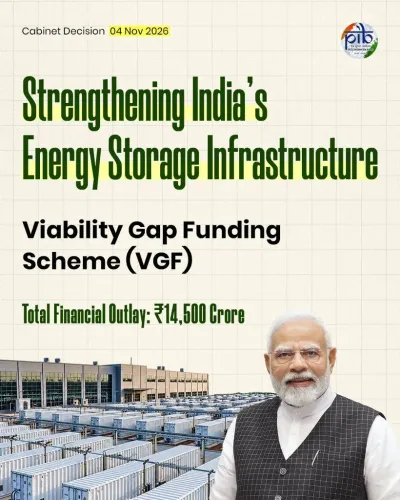
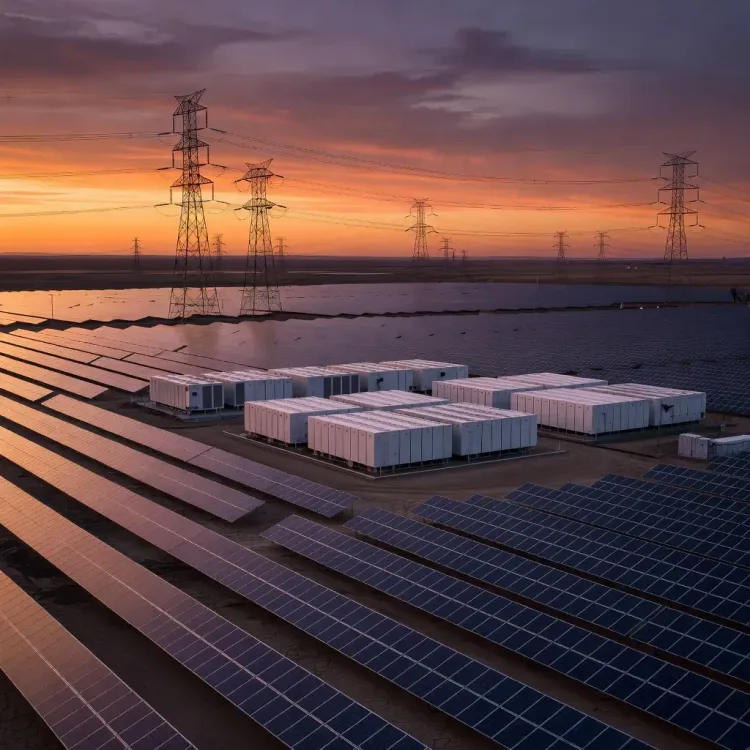
The Union Cabinet has approved a ₹14,500 crore Viability Gap Funding Scheme for Grid-Scale Energy Storage Systems, targeting 92 GWh of new storage capacity. Home Minister Amit Shah called it a step towards stable growth through stable power supply, as India races to meet its 2030 renewable energy commitments.
Key Takeaways
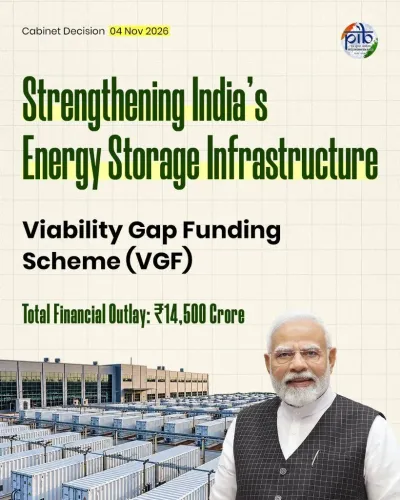
The Union Cabinet approved the Viability Gap Funding Scheme for Grid-Scale Energy Storage Systems worth ₹14,500 crore .
The scheme targets development of 92 GWh of new grid-scale energy storage capacity across India.
VGF bridges the financial viability gap for private investors in capital-intensive storage infrastructure.
The move supports India's pledge to achieve 500 GW of non-fossil fuel capacity by 2030 , made at COP26, Glasgow, 2021 .
The scheme follows the 2021 Production Linked Incentive scheme for Advanced Chemistry Cells, completing a policy chain from battery manufacturing to grid deployment.
Detailed guidelines, bidding rounds, and capacity milestones are the next critical steps to watch.
India's power grid just got a serious reinforcement. Union Home Minister Amit Shah announced on Wednesday, November 4, 2026, that the Union Cabinet has approved the Viability Gap Funding (VGF) Scheme for Grid-Scale Energy Storage Systems, worth ₹14,500 crore — a move he described as a firm step towards stable growth through stable power supply.
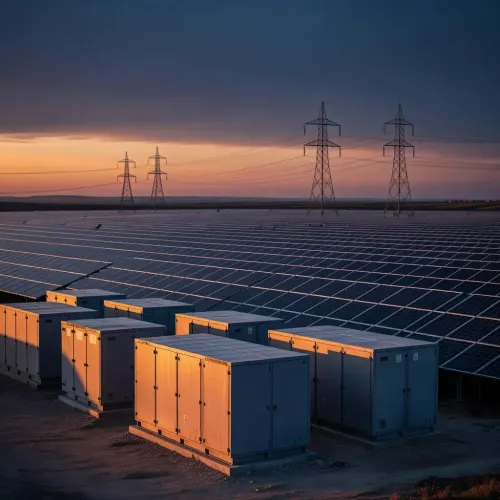
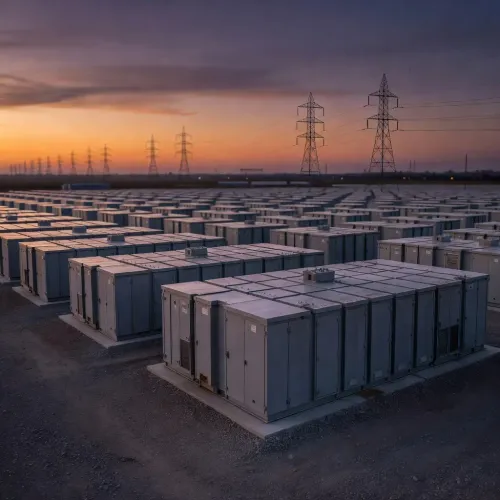
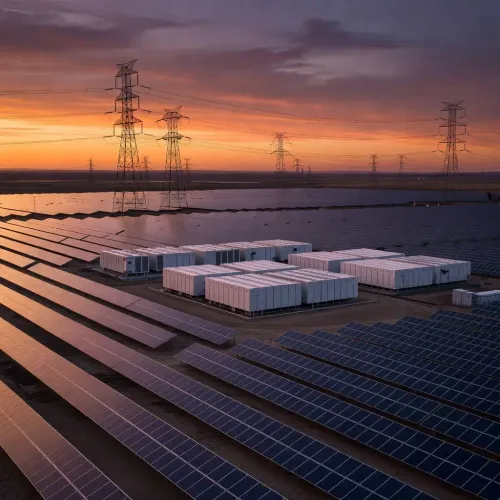
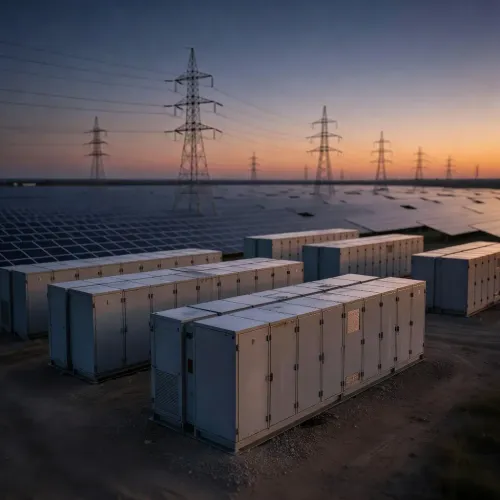
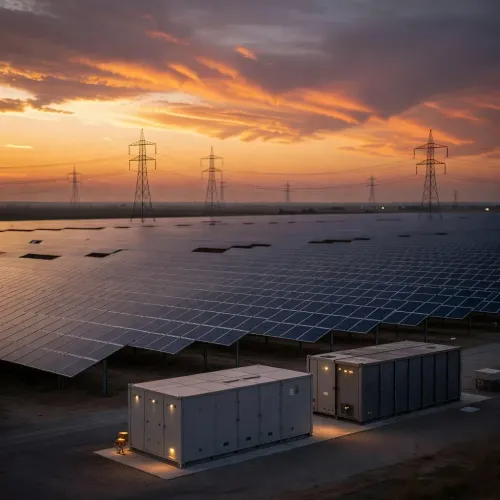
The scheme targets the development of 92 GWh of new grid-scale energy storage capacity across India — a number that underscores just how large the ambition is. As solar and wind generation surge, the grid's Achilles heel has always been intermittency: the sun sets, the wind stills, and demand doesn't. Storage is the fix, and this approval puts serious public money behind that logic.
Why VGF, and Why Now
Viability Gap Funding is a well-tested central government instrument: it bridges the financial gap that makes commercially viable projects economically unviable for private investors alone. India has deployed VGF across highways, airports, and ports. Applying it to grid-scale storage signals that the government views energy storage infrastructure with the same strategic urgency as physical connectivity. The timing is deliberate. India pledged at the COP26 summit in Glasgow in 2021 to achieve 500 GW of non-fossil fuel electricity capacity by 2030. Reaching that target without matching storage capacity would mean unstable grids, curtailed renewable generation, and broken promises to both citizens and global partners.The Storage Gap India Is Racing to Close
Renewable energy developers and power distribution companies — the two stakeholder groups most directly affected — have long flagged that financing grid-scale storage projects is commercially challenging without government support. Battery storage systems carry high upfront capital costs and uncertain revenue streams in a market where electricity tariffs are often regulated. The Union Cabinet's 2021 approval of the Production Linked Incentive scheme for Advanced Chemistry Cells had already nudged domestic battery manufacturing in the right direction. The new VGF scheme now attacks the demand side: it makes it financially viable to deploy that storage at grid scale, completing a policy chain from manufacturing to installation.What Comes Next for the 92 GWh Target
The scheme's approval is the starting gun, not the finish line. Scheme guidelines will need to be issued, competitive bidding rounds opened, and projects awarded before a single megawatt-hour of new storage comes online. The industry will watch closely for the tariff structure, the selection methodology for project developers, and the timeline for capacity milestones over the next two to three years. For a country where peak power deficits and grid frequency fluctuations remain live concerns, 92 GWh of additional storage is not just an energy statistic — it is the backbone on which a renewables-dominated grid either holds firm or stumbles. If execution matches ambition, India's grid will be a very different animal by the end of this decade.Point of View
500 crore commitment also signals confidence that storage costs, while still high, have fallen enough for a time-bound VGF programme to unlock large-scale private investment. Execution risk remains real: India's track record on translating Cabinet approvals into commissioned capacity within target timelines will be the true test of this scheme's impact.
NationPress
4 Nov 2026
Frequently Asked Questions
What is the Viability Gap Funding Scheme for Grid-Scale Energy Storage?
It is a ₹14,500 crore central government scheme approved by the Union Cabinet to financially support the development of 92 GWh of grid-scale energy storage systems in India, bridging the gap between the economic and financial viability of such projects for private investors.
Why does India need grid-scale energy storage?
As India adds large amounts of solar and wind power — which generate electricity intermittently — grid-scale storage is essential to store surplus renewable energy and release it when generation drops, maintaining stable power supply and preventing grid frequency fluctuations.
What is Viability Gap Funding and how does it work?
Viability Gap Funding is a central government mechanism that provides upfront financial support to infrastructure projects that are economically beneficial but not commercially viable on their own. It has previously been used for highways, airports, and ports.
How does this scheme connect to India's 2030 renewable energy target?
India pledged at the COP26 summit in Glasgow in 2021 to achieve 500 GW of non-fossil fuel electricity capacity by 2030. Grid-scale storage is critical to making that capacity reliably usable, and this scheme directly supports that goal.
What are the next steps after the Cabinet approval of the energy storage scheme?
The government will need to issue detailed scheme guidelines, open competitive bidding rounds for project developers, and set capacity milestone timelines. Actual 92 GWh storage capacity will be commissioned over the following two to three years if the process moves efficiently.