Amit Shah Champions Libraries as Schools of Thought
Synopsis
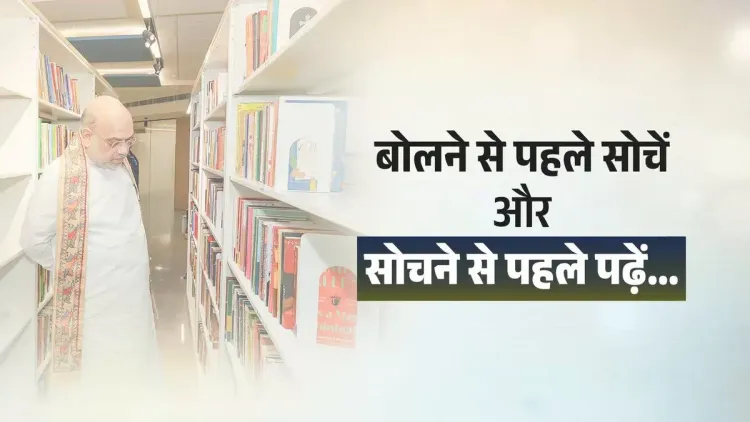
Union Home Minister Amit Shah on 11 July 2026 shared a Hindi reflection arguing that one must read before thinking and think before speaking — and that only libraries can instil this discipline, aligning with India's National Mission on Libraries and NEP 2020 goals.
Key Takeaways
Union Home Minister Amit Shah posted on 11 July 2026 emphasising libraries as institutions that cultivate the discipline of reading before thinking and thinking before speaking.
The post uses the word sanskar , framing libraries as character-forming spaces, not merely book repositories.
The National Mission on Libraries , launched in 2014 , aims to upgrade public library infrastructure and promote reading culture across Indian states.
The National Education Policy 2020 identifies libraries as key institutions for critical thinking and lifelong learning.
The message resonates with ongoing policy debates around library digitisation and state-level NEP implementation.
Students and library users in tier-2 and tier-3 cities are the most direct beneficiaries of sustained library investment.
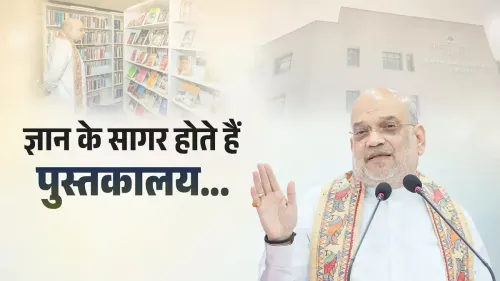
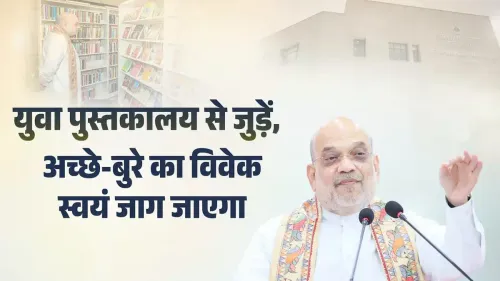
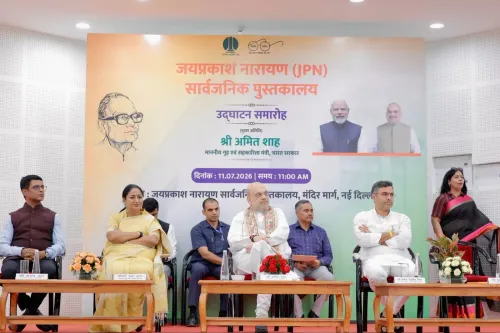
Union Home Minister Amit Shah on Saturday, 11 July 2026 invoked the foundational role of libraries in shaping informed citizens, sharing a reflection on the relationship between reading, thinking, and speech on his official X account.
In Hindi, Shah wrote: 'बोलने से पहले सोचना चाहिए और सोचने से पहले पढ़ना चाहिए, यह संस्कार केवल पुस्तकालय ही दे सकता है।' — translated: 'One must think before speaking, and one must read before thinking; only a library can instil this discipline.'
Context
The post distils a classical idea about the hierarchy of intellectual virtues — reading as the precondition for thought, and thought as the precondition for speech. By attributing this discipline specifically to libraries, Shah frames these institutions not merely as repositories of books but as character-forming spaces. The use of the Sanskrit-rooted word sanskar (discipline or cultivated value) gives the message a cultural and moral weight that goes beyond routine literacy advocacy.
Policy Backdrop
The sentiment aligns with two significant policy milestones. The Ministry of Culture launched the National Mission on Libraries in 2014 to upgrade public library infrastructure, modernise services, and promote a reading culture across states. Six years later, the National Education Policy 2020 formally identified libraries as key institutions for developing critical thinking and lifelong learning — embedding them within the broader human-capital strategy of the central government.
Together, these frameworks treat library access not as a peripheral amenity but as a structural input to education quality. Shah's post echoes that institutional logic, linking the physical act of visiting a library to the formation of civic and intellectual habits.
Stakeholders and Impact
The most direct audience for this message is students and everyday library users across India, particularly in tier-2 and tier-3 cities where public libraries remain the primary access point to curated knowledge. For policymakers, the post reinforces the case for sustained budget allocations toward library digitisation and infrastructure under the National Mission on Libraries.
Successive central governments have treated library modernisation as part of wider literacy and human-capital strategies. The emphasis on reading before expression also speaks to a broader concern — voiced across the political spectrum — about the quality of public discourse in the social-media era, where speed of speech often outpaces depth of thought.
What's Next
Parliamentary discussions on education budget allocations for library digitisation and state-level implementation of NEP 2020 library provisions remain active policy arenas to watch. Whether Shah's post signals a forthcoming government initiative or serves as a standalone cultural reflection, it adds ministerial weight to the ongoing conversation about India's reading infrastructure. Advocates for public libraries are likely to cite the statement in budget and policy deliberations in the months ahead.
Point of View
He anchors a modern institutional argument (invest in libraries) within a culturally familiar moral vocabulary, a rhetorical pattern common to BJP's communication style. The message arrives at a moment when NEP 2020 implementation is unevenly distributed across states, lending the statement an implicit pressure on state governments to prioritise library infrastructure. It also positions the ruling dispensation as a custodian of intellectual culture at a time when the quality of public discourse is a live political and social debate. Whether or not a formal policy announcement follows, the post sets a discursive marker that library advocates and opposition parties alike will find difficult to contest.
NationPress
11 Jul 2026
Frequently Asked Questions
What did Amit Shah say about libraries on 11 July 2026?
Amit Shah posted in Hindi that one must think before speaking and read before thinking, and that only a library can instil this discipline — using the word sanskar to describe this cultivated value.
What is India's National Mission on Libraries?
The National Mission on Libraries is a central government scheme launched by the Ministry of Culture in 2014 to upgrade public library infrastructure, modernise services, and promote a reading culture across Indian states.
How does NEP 2020 relate to libraries in India?
The National Education Policy 2020 formally identifies libraries as key institutions for developing critical thinking and lifelong learning, embedding them within the government's broader human-capital and education-quality strategy.
Why are public libraries important for students in India?
For students — especially in tier-2 and tier-3 cities — public libraries are often the primary access point to curated knowledge, making them central to improving education outcomes and reading habits.
What policy areas does Amit Shah's library post connect to?
The post connects to ongoing parliamentary discussions on education budget allocations for library digitisation and state-level implementation of NEP 2020 library provisions, as well as the broader National Mission on Libraries.