Amit Shah: Chhattisgarh entering golden era post-Naxalism
Synopsis
Union Home Minister Amit Shah declared at the Chhattisgarh Rajyotsav closing ceremony in Nava Raipur on November 3 that the state has been freed from Naxalism under the Modi government and is entering a golden era of development and good governance.
Key Takeaways
Amit Shah addressed the closing ceremony of Chhattisgarh Rajyotsav at Nava Raipur on November 3, 2026 .
He declared that Chhattisgarh has been 'freed from Naxalism' under the Modi government and is entering a 'golden era of development and good governance.' The claim builds on the central government's 2015 National Policy and Action Plan on Left Wing Extremism , which paired security operations with development delivery in affected districts.
After the 2023 Chhattisgarh assembly elections , the BJP state government aligned with New Delhi's security priorities, expanding operations in former Naxal strongholds.
Chhattisgarh Rajyotsav marks the state's formation on November 1, 2000 and has become a platform for the ruling government to highlight governance achievements.
Delivery of infrastructure and welfare to tribal communities in regions like Bastar remains the key test of whether the 'golden era' claim translates into lived reality.
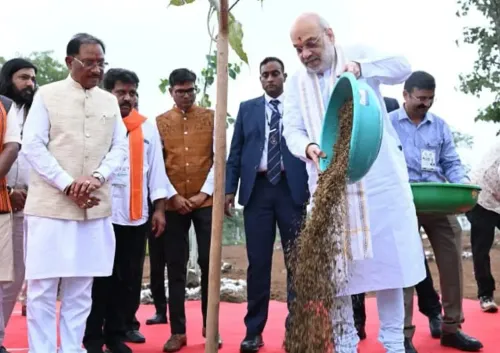
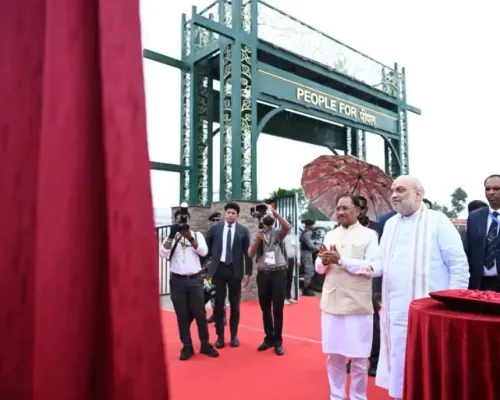
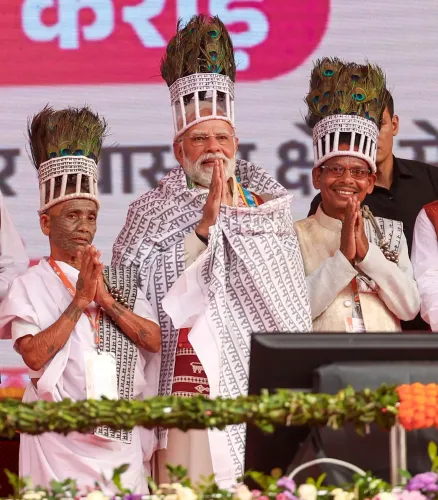
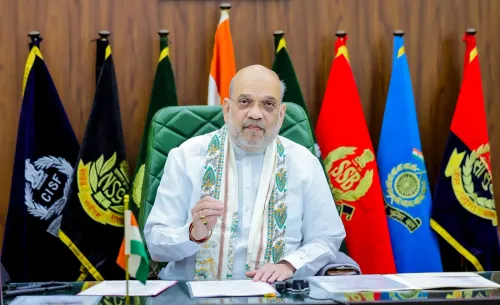
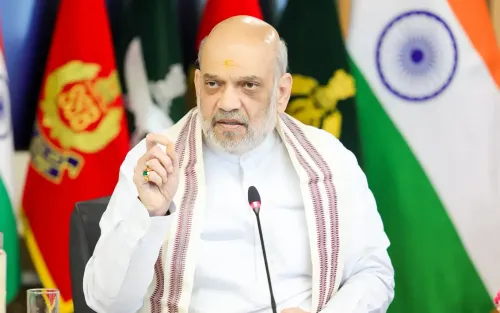
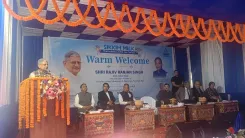
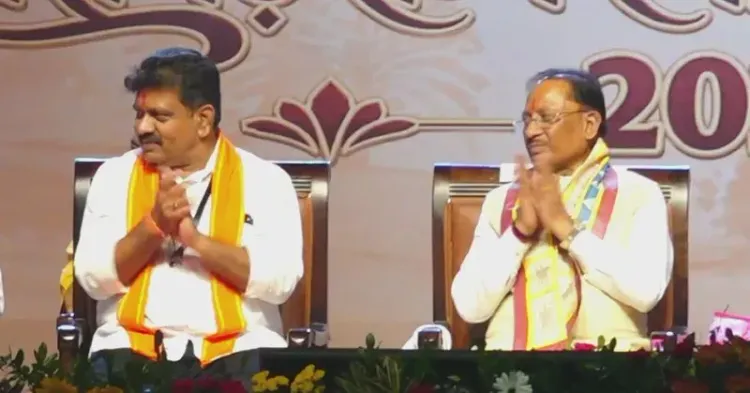
With a declaration that carries equal parts security triumph and political signal, Union Home Minister Amit Shah told a gathering at Nava Raipur on Tuesday, November 3, 2026 that Chhattisgarh — once the heartland of India's Maoist insurgency — is now stepping into what he called a 'golden era of development and good governance.' The occasion was the closing ceremony of Chhattisgarh Rajyotsav, the state's annual formation-day festival.
Shah posted on X: 'मोदी सरकार में नक्सलवाद से मुक्त हुआ छत्तीसगढ़ अब विकास और सुशासन के स्वर्णिम युग में प्रवेश कर रहा है' — 'Chhattisgarh, freed from Naxalism under the Modi government, is now entering a golden era of development and good governance.' He added that he was addressing the closing ceremony of the Rajyotsav at Nava Raipur.
From counter-insurgency to capital-city festival stage
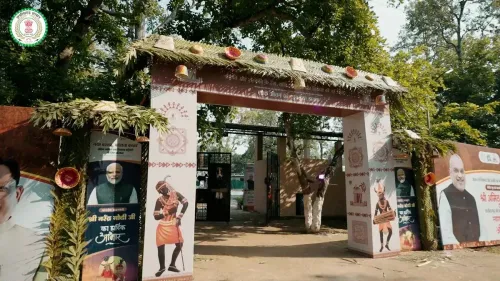
The setting itself tells a story. Nava Raipur — Chhattisgarh's planned administrative capital — represents precisely the kind of modern, centrally planned governance infrastructure that the state's insurgency-scarred southern districts long seemed a world apart from. Holding a grand Rajyotsav closing ceremony there, with the Union Home Minister as the keynote voice, is a deliberate visual argument: the state's security gains have unlocked space for institution-building and investment.
Chhattisgarh has been a central theatre in India's decades-long battle with Left Wing Extremism. The southern and central districts — particularly the Bastar region — saw some of the country's most intense Maoist activity, with security forces, civilians and cadres caught in a protracted conflict that suppressed development delivery and displaced tribal communities for years.
The security-plus-development doctrine behind the claim
The ideological architecture of Shah's statement dates back to the central government's 2015 National Policy and Action Plan on Left Wing Extremism, which formally married security operations with accelerated welfare and infrastructure delivery in affected districts — roads, connectivity, banking, schools. The approach was designed to drain the insurgency of its social base by closing the governance gap it exploited.
After BJP returned to power in Chhattisgarh following the 2023 state assembly elections, the new state government aligned tightly with New Delhi's security priorities, expanding operations in former Naxal strongholds while simultaneously projecting a development narrative. The pairing — intensified counter-insurgency alongside visible welfare rollout — has become the template across Chhattisgarh, Jharkhand and Odisha.
Rajyotsav as governance report card
Chhattisgarh Rajyotsav marks the state's formation on November 1, 2000, when it was carved out of Madhya Pradesh. Over the years the festival has evolved into a platform for the ruling government to showcase achievements to tribal communities and citizens who form the state's social fabric. Shah's presence at the closing ceremony — as the minister who oversees internal security — underscores that the centre views Chhattisgarh's security trajectory as a flagship accomplishment worth claiming on a public stage.
What comes next will matter as much as the rhetoric. The rollout of new infrastructure projects in and around Nava Raipur, and whether remaining Naxal-affected pockets receive the promised governance dividend, will determine how durable this 'golden era' narrative proves to be.
For tribal communities in Bastar and beyond, the question is not whether the guns have gone quieter — it is whether the roads, schools and economic opportunity that were promised alongside the security push have truly arrived. That is the test Shah's words will be measured against.
Point of View
However, will be whether institutional development in formerly insurgency-hit tribal districts keeps pace with the triumphant rhetoric.
NationPress
3 Nov 2026
Frequently Asked Questions
What did Amit Shah say at Chhattisgarh Rajyotsav 2026?
Amit Shah declared at the Chhattisgarh Rajyotsav closing ceremony in Nava Raipur on November 3, 2026 that Chhattisgarh has been freed from Naxalism under the Modi government and is now entering a golden era of development and good governance.
Is Chhattisgarh completely free from Naxalism?
The Union Home Minister claimed at the Rajyotsav that Chhattisgarh is free from Naxalism under the Modi government. However, the exact extent of territorial clearance and whether all affected pockets have been fully addressed cannot be independently verified as of November 2026.
What is Chhattisgarh Rajyotsav and when is it celebrated?
Chhattisgarh Rajyotsav is the annual state formation-day festival marking the creation of Chhattisgarh on November 1, 2000, when it was carved out of Madhya Pradesh. It is used to showcase governance achievements and celebrate the state's cultural identity.
What is India's policy on Left Wing Extremism in Chhattisgarh?
India's central government has followed a 2015 National Policy and Action Plan on Left Wing Extremism that combines security operations with accelerated development — including roads, banking, and schools — in affected districts of Chhattisgarh, Jharkhand and Odisha.
Where is Nava Raipur and why was the event held there?
Nava Raipur is the planned administrative capital of Chhattisgarh. The Rajyotsav closing ceremony was held there, with the modern capital city serving as a symbolic backdrop to the government's message of post-insurgency development and governance progress.