Amit Shah hails Kolkata's new Shabd Sangrahalaya
Synopsis
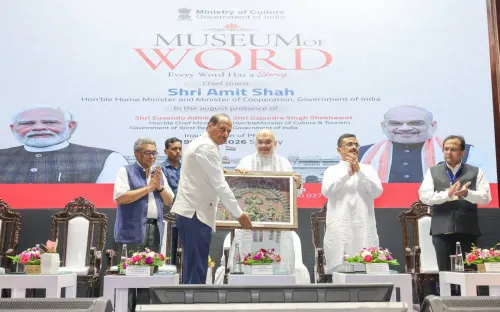
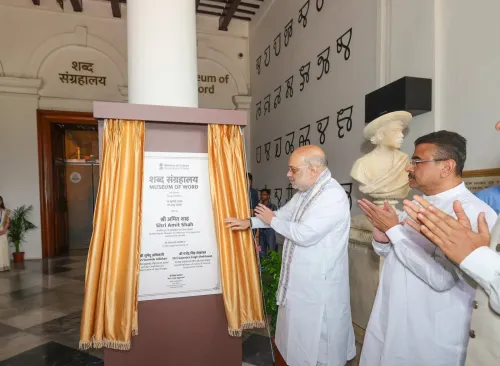
Union Home Minister Amit Shah on 19 July 2026 lauded Kolkata's newly established Shabd Sangrahalaya, calling it a vital institution to familiarise future generations with India's languages, culture, and way of life — in line with the National Education Policy 2020's push for linguistic heritage preservation.
Key Takeaways
Union Home Minister Amit Shah publicly praised the Shabd Sangrahalaya (Museum of Words) in Kolkata on 19 July 2026 .
Shah said the museum will 'familiarise and educate future generations about our languages and culture' and 'teach them a way of living.' Kolkata is a historic centre of Indian literary and linguistic tradition, making it a significant location for such an institution.
The museum's goals align with the National Education Policy 2020 , which prioritises mother-tongue instruction and cultural heritage in education.
Central government initiatives since 2014 have supported documentation and display of classical and regional languages through cultural institutions.
Observers will watch for similar language museums or curriculum integration directives in other Indian states.
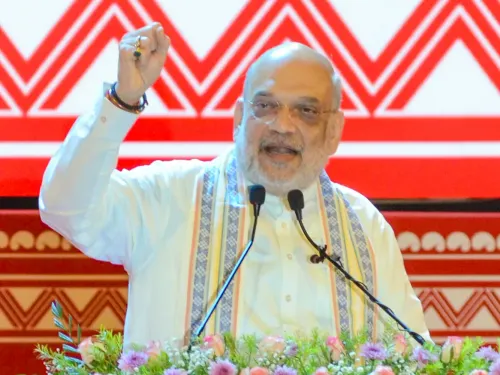
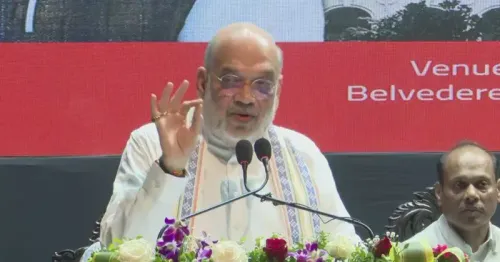
Union Home Minister Amit Shah on Sunday, 19 July 2026, praised the newly established Shabd Sangrahalaya (Museum of Words) in Kolkata, saying the institution will introduce future generations to India's languages and culture while teaching them a way of life.
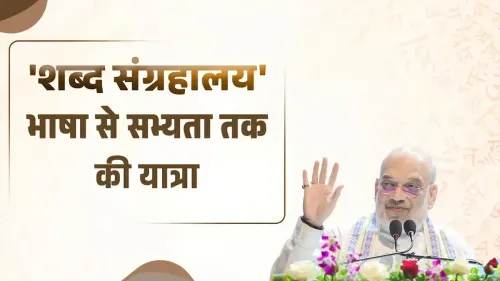
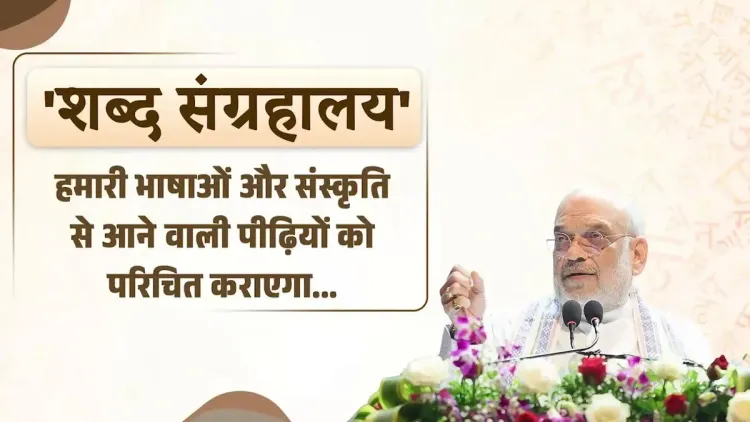
In a post on X, Shah wrote: 'कोलकाता में बना 'शब्द संग्रहालय' हमारी भाषाओं और संस्कृति से आने वाली पीढ़ियों को परिचित कर शिक्षित करेगा और उन्हें जीवन जीने का तरीका भी सिखाएगा।' — translated: 'The Shabd Sangrahalaya built in Kolkata will familiarise and educate future generations about our languages and culture, and will also teach them a way of living.'
Context
The Shabd Sangrahalaya is a dedicated museum of language and words situated in Kolkata, the capital of West Bengal and one of India's most storied centres of literary and linguistic tradition. The city has long been associated with the Bengal Renaissance and has produced some of the subcontinent's most influential writers, poets, and linguists. A museum centred on the word — shabd — carries particular resonance in this setting.
Shah's remarks signal the central government's endorsement of the initiative as a cultural and educational landmark, positioning it within a broader national effort to preserve and transmit India's multilingual heritage.
Policy Backdrop
The museum's stated purpose aligns closely with the National Education Policy 2020 (NEP 2020), which directed states to strengthen multilingual education rooted in Indian languages and cultural knowledge, including mother-tongue instruction in early schooling. The policy explicitly recognised the role of cultural institutions in reinforcing linguistic identity.
Since 2014, the central government has supported documentation and public display of classical and regional languages through various cultural bodies. Parallel initiatives have included digitisation of ancient manuscripts, promotion of Sanskrit, and dedicated programmes for tribal languages under the Ministry of Culture. The Shabd Sangrahalaya fits squarely within this policy lineage.
Stakeholders and Impact
The museum's primary audience is students and younger generations, as Shah's post specifically invokes 'aane wali peedhiyon' — coming generations. Linguistic communities across West Bengal and beyond stand to benefit from an institution that curates and presents the evolution, diversity, and depth of Indian languages in an accessible, public format.
For educators and curriculum designers, such a space offers a living resource that complements classroom instruction. Cultural historians and researchers may also find it valuable as a repository of linguistic heritage.
What's Next
Shah's public endorsement could prompt the Ministry of Education or the Ministry of Culture to explore curriculum integration directives that link school visits or learning modules to institutions like the Shabd Sangrahalaya. Observers will watch whether similar language museums or digital word-archives are proposed in other states as part of a coordinated national programme.
The Kolkata model, if replicated, could mark a new chapter in how India institutionalises the preservation and celebration of its linguistic plurality for generations to come.
Point of View
' Shah elevates the museum beyond an archival exercise into a civilisational argument — language as identity, not merely communication. The post also carries implicit political significance in West Bengal, a state where the BJP has invested heavily in cultural outreach. Whether the Shabd Sangrahalaya becomes a template for a pan-India network of language museums will be a key indicator of how far this cultural policy agenda is operationalised beyond rhetoric.
NationPress
20 Jul 2026
Frequently Asked Questions
What is the Shabd Sangrahalaya in Kolkata?
The Shabd Sangrahalaya is a museum of words and language established in Kolkata, West Bengal. It is designed to introduce visitors — especially younger generations — to India's diverse linguistic and cultural heritage.
What did Amit Shah say about the Shabd Sangrahalaya?
Amit Shah said the Shabd Sangrahalaya will familiarise and educate future generations about India's languages and culture, and will also teach them a way of living. He made the remark in a post on X on 19 July 2026.
How does the Shabd Sangrahalaya relate to the National Education Policy 2020?
The National Education Policy 2020 directs states to strengthen multilingual education rooted in Indian languages and heritage. The Shabd Sangrahalaya's focus on linguistic culture and intergenerational education aligns directly with those goals.
Why is Kolkata significant as a location for a language museum?
Kolkata is the capital of West Bengal and a historic centre of Indian literary and linguistic tradition, associated with the Bengal Renaissance and generations of influential writers, poets, and linguists, making it a natural home for a museum dedicated to language.
Could similar language museums come up in other Indian states?
Shah's endorsement raises the possibility that the Kolkata model could be replicated elsewhere. Observers are watching for announcements from the Ministry of Education or Ministry of Culture regarding similar institutions or curriculum integration in other states.