Amit Shah hails NCB-US DEA Operation Monsoon Thunder, 6 arrested in India
Synopsis
Operation Monsoon Thunder isn’t just a drug bust — it’s a signal. Six arrests across four Indian cities, nearly five lakh tablets intercepted, and a customer database of over 59,000 individuals handed to US authorities. The NCB-DEA joint operation reveals how deep and digitally sophisticated transnational narcotics networks operating out of India have become.
Key Takeaways
Home Minister Amit Shah congratulated the NCB and US DEA on 21 November for the success of Operation Monsoon Thunder .
Six people were arrested following raids in Hyderabad , Delhi , Kolkata , and Lucknow between 4 and 13 November .
The network allegedly handled nearly 3,000 parcels with approximately five lakh tablets between June 2022 and November 2026 .
The NCB shared a customer database of over 59,000 individuals with US authorities to aid further investigations.
The network used Telegram , Skype , and WhatsApp for orders, and Venmo , UPI , and cryptocurrency for payments.
Investigators are probing suspected hawala links and the network’s full international supply chain.
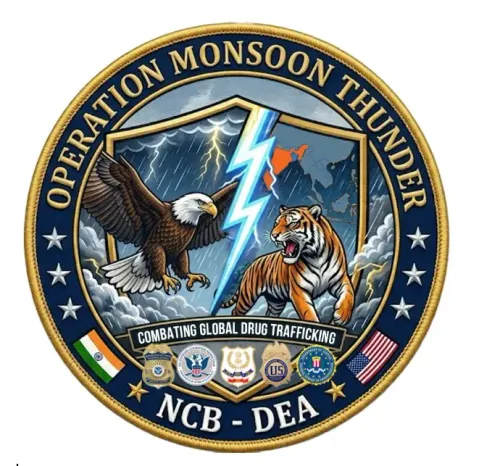
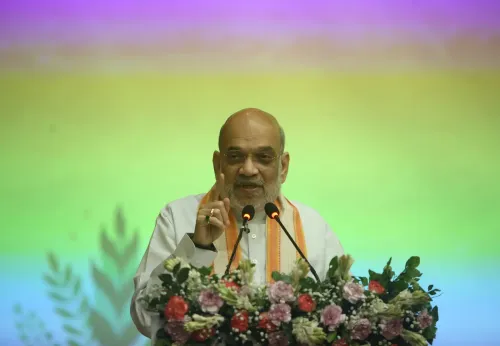
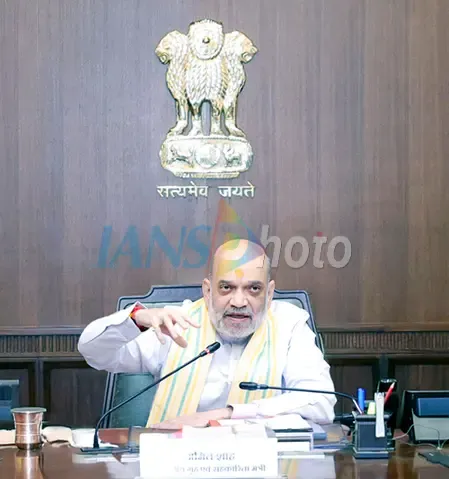
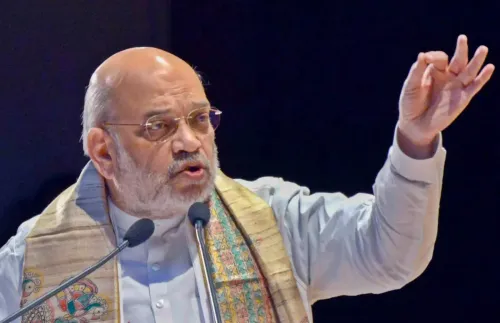
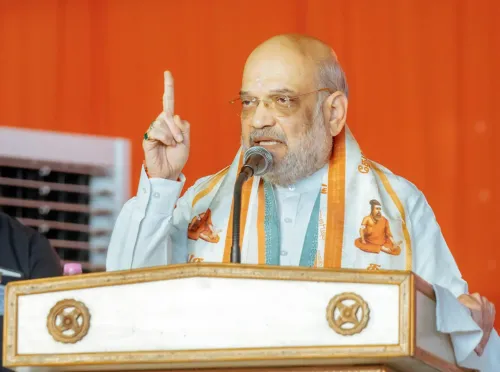
Union Home Minister Amit Shah on Saturday, 21 November congratulated the Narcotics Control Bureau (NCB) and the United States Drug Enforcement Administration (DEA) for the successful dismantling of a transnational drug trafficking network through a joint operation codenamed Operation Monsoon Thunder. The operation resulted in six arrests across multiple Indian cities and the seizure of thousands of psychotropic tablets destined for the US market.
Shah's Remarks and Government's Stance
In a post on X, Shah praised the bilateral effort, saying: “Heartiest congratulations to the NCB and the US DEA on the exemplary success of Operation Monsoon Thunder, jointly launched to scuttle cross-border drug trafficking.” He further stated that “the arrests made and seizures effected in India and the US under this campaign stand as a testament to the power of the India-US partnership in curbing the menace of drugs.”
Reiterating the Centre’s zero-tolerance position on narcotics, Shah added: “Under the leadership of PM Modi Ji, we are firmly committed to ensuring that neither a gram of narcotics enters India nor leaves for other countries.”
Scale of the Operation
The NCB announced on Friday, 20 November that it had, in coordination with the DEA, busted the Indian module of an organised transnational network involved in shipping psychotropic substances and opioid and non-prescription medicines to customers across the United States. Raids were conducted between 4 and 13 November in Hyderabad, Delhi, Kolkata, and Lucknow, leading to six arrests.
Investigators found that the network had allegedly handled nearly 3,000 parcels containing approximately five lakh tablets between June 2022 and November 2026. The probe further led to the identification of live consignments containing over 1,500 tablets destined for the US.
Intelligence Sharing and Cross-Border Coordination
Acting on intelligence provided by the NCB, the DEA intercepted and seized two shipments en route to the United States. Notably, the NCB has also shared customer databases containing details of more than 59,000 individuals with US authorities to support further investigations. This level of data-sharing marks a significant deepening of operational cooperation between the two agencies.
According to the NCB, the trafficking network used digital platforms including Telegram, Skype, and WhatsApp to receive orders, while payments were routed through Venmo, UPI, bank accounts, and cryptocurrency. Investigators are also examining suspected hawala links and tracing the financial proceeds of the alleged operation.
Investigation Continues
Authorities in both countries are continuing efforts to map the network’s international supply chain, procurement channels, and all individuals involved. This operation comes amid a broader push by the Indian government to crack down on narcotics trafficking, particularly through digital and dark-web channels. The use of encrypted messaging apps and crypto payments signals an evolving challenge for law enforcement on both sides of the border.
With the investigation still active, further arrests and seizures in both India and the US are reportedly possible as the two agencies follow leads from the seized customer databases.
Point of View
UPI, and cryptocurrency in a single trafficking network points to a convergence of informal finance and encrypted communication that traditional policing struggles to intercept at scale. The 59,000-individual customer database shared with the DEA is an extraordinary data-sharing milestone — but it also raises questions about how long this network operated undetected. The government’s zero-tolerance rhetoric will be tested by whether follow-up prosecutions in both countries produce convictions, not just arrest tallies.
NationPress
21 Nov 2026
Frequently Asked Questions
What is Operation Monsoon Thunder?
Operation Monsoon Thunder is a joint anti-drug trafficking operation conducted by India’s Narcotics Control Bureau (NCB) and the US Drug Enforcement Administration (DEA). It targeted a transnational network shipping psychotropic substances and opioid medicines from India to customers in the United States, resulting in six arrests and the interception of over 1,500 tablets in live consignments.
How many people were arrested and where?
Six people were arrested in India following raids conducted between 4 and 13 November in Hyderabad, Delhi, Kolkata, and Lucknow. Authorities in both countries are continuing to identify additional individuals linked to the network.
What was the scale of the drug network uncovered?
The network allegedly handled nearly 3,000 parcels containing approximately five lakh tablets between June 2022 and November 2026. Investigators also identified live consignments of over 1,500 tablets destined for the US at the time of the operation.
How did the trafficking network operate?
According to the NCB, the network used encrypted messaging platforms — Telegram, Skype, and WhatsApp — to receive orders, and routed payments through Venmo, UPI, bank accounts, and cryptocurrency. Investigators are also probing suspected hawala links used to move financial proceeds.
What role did India-US intelligence sharing play in the operation?
The NCB shared actionable intelligence with the DEA, enabling the US agency to intercept and seize two shipments. The NCB has also handed over a customer database containing details of more than 59,000 individuals to US authorities to support further investigations on the American side.