Amit Shah: India Naxal-free after Modi govt reversed Congress neglect
Synopsis
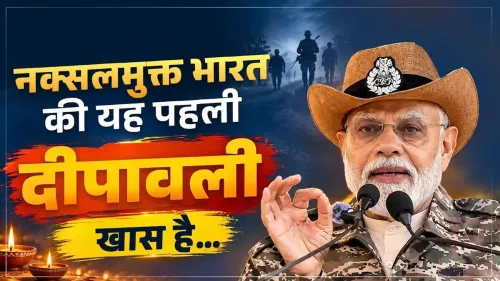
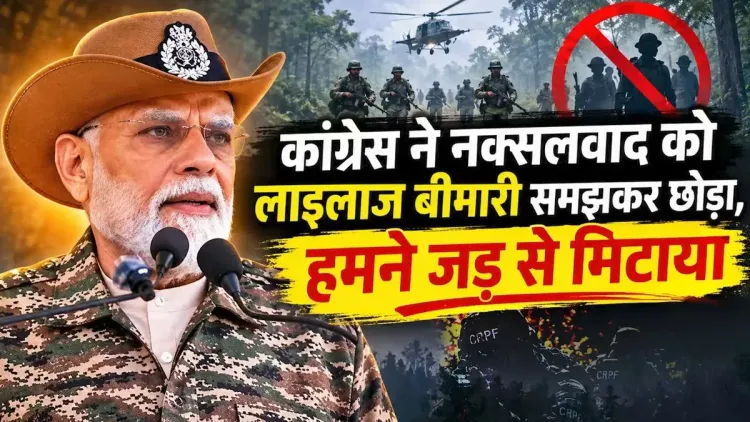
Union Home Minister Amit Shah declared on 8 November 2026 that India is now Naxal-free, citing PM Modi's political will and strategic shift after 2014 and contrasting it with what he called Congress governments' treatment of Naxalism as an incurable disease.
Key Takeaways
Amit Shah posted on 8 November 2026 declaring India Naxal-free , citing PM Modi's remarks on the subject.
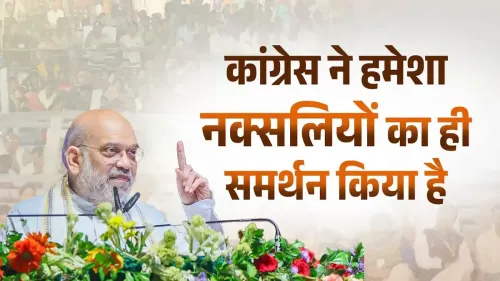
Shah accused Congress governments of abandoning Naxalism as an 'incurable disease' rather than confronting it decisively.
The BJP government's post- 2014 approach combined intensified security operations with surrender policies and development programmes in LWE-affected districts.
The number of officially designated LWE-affected districts shrank consistently after 2014 as connectivity and infrastructure were extended into previously inaccessible areas.
The UPA government's 2009 Operation Green Hunt was the predecessor offensive, though it lacked a comprehensive development component by critics' assessment.
Independent verification of a complete end to Naxal activity — particularly in pockets of Chhattisgarh and Jharkhand — will depend on upcoming official parliamentary and district-level reports.
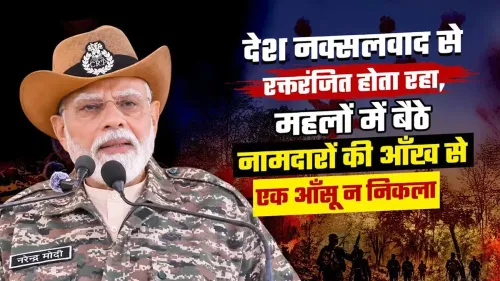
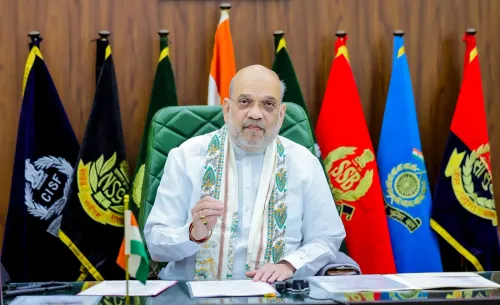
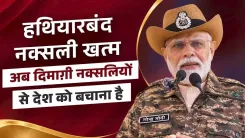
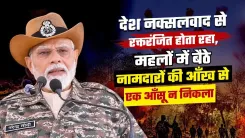
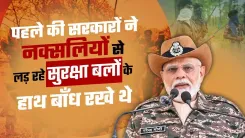
A decades-long insurgency that once held entire forest districts hostage has, according to Union Home Minister Amit Shah, finally been broken — and the credit, he argues, lies squarely with political will that arrived only after 2014. On Sunday, 8 November 2026, Shah took to X to amplify remarks by Prime Minister Narendra Modi, declaring that Congress-era governments had abandoned Naxalism as an incurable disease, while the BJP administration diagnosed it, treated it, and eliminated it.
Shah's post, in Hindi, states: 'Modi ji ne bataya ki kaise Congress ki sarkaaron ne Naxalvad ko laaelaj bimari maankar chhod diya tha. 2014 ke baad raajnitik ichchhashakti aur ranneeti badli, aur aaj Bharat Naxalmukta hai.' — ('Modi ji explained how Congress governments had abandoned Naxalism by treating it as an incurable disease. After 2014, political will and strategy changed, and today India is Naxal-free.')
From Operation Green Hunt to a declared end-state
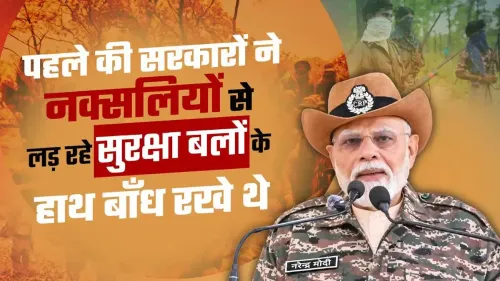
The Maoist insurgency, rooted in the late 1960s peasant uprising in Naxalbari, West Bengal, spread over subsequent decades into a 'Red Corridor' spanning Chhattisgarh, Jharkhand, Odisha and parts of Andhra Pradesh, Maharashtra and Bihar. At its peak the movement inflicted significant casualties on security forces and civilians alike, and left large swathes of central India effectively ungoverned. The UPA government in 2009 launched Operation Green Hunt — a coordinated multi-state security offensive — but critics argued it lacked a coherent development component and produced mixed results on the ground.
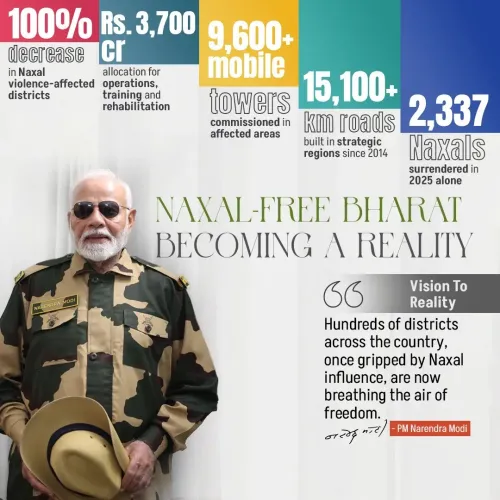
After 2014, the BJP-led NDA government coupled intensified counter-insurgency operations with surrender and rehabilitation policies and accelerated development spending in Left Wing Extremism (LWE)-affected districts. The number of officially designated LWE-affected districts shrank steadily over successive annual reviews, as road connectivity, mobile networks, and banking infrastructure were pushed deeper into previously inaccessible terrain.
Shah's political framing and what it signals
The Home Minister's post is explicitly comparative — drawing a direct line between Congress inaction and BJP resolve. This framing is consistent with the BJP's broader internal-security narrative, which positions 2014 as a rupture point on issues ranging from cross-border terrorism to Left Wing Extremism. By quoting the Prime Minister on the subject, Shah elevates the declaration to the level of a formal government claim.
It is worth noting that independent assessments prior to 2023 documented a sharp and genuine decline in LWE-related violence — fewer districts affected, fewer incidents, and reduced territorial control by Maoist cadres — but also flagged residual pockets of activity in parts of Chhattisgarh and Jharkhand. Official parliamentary statements and updated district lists will be the clearest measure of how completely that last ground has been cleared.
What tribal communities and security forces are watching
The stakeholders most directly affected are the tribal communities of central India, who lived for decades between the cross-pressures of Maoist mobilisation and state security operations. For them, the end of active insurgency matters less as a political talking point and more as a question of whether development dividends — schools, hospitals, roads, livelihoods — actually arrive. Security forces, too, have paid a heavy price over the years; a formal declaration of success carries meaning for the families of those lost in the long campaign.
If India's Naxal chapter is truly closed, it marks one of the most consequential internal-security achievements in the republic's history. The coming weeks — and any official government report on district-level status — will tell us just how complete that final chapter really is.
Point of View
The government is building a durable electoral narrative around decisive governance. The claim also sets a high bar: a single credible incident in a declared 'free' zone could become a pointed opposition counter-attack. Watch for parliamentary statements and district-notification orders to give the declaration its institutional weight — that is when it moves from political assertion to documented policy outcome.
NationPress
8 Nov 2026
Frequently Asked Questions
Is India really Naxal-free in 2026?
Union Home Minister Amit Shah formally declared India Naxal-free on 8 November 2026, attributing the achievement to PM Modi's post-2014 strategy. Independent assessments had documented a sharp decline in LWE-related violence and territorial control since 2014, though verification through official district-level notifications will confirm the full extent of the claim.
What was Congress's approach to Naxalism before 2014?
Shah accused Congress-era governments of treating Naxalism as an 'incurable disease' and abandoning any serious effort to eradicate it. The UPA government did launch Operation Green Hunt in 2009, a coordinated security offensive, but critics argued it lacked a development component and produced mixed long-term results.
What strategy did the Modi government use against Naxals?
After 2014, the BJP-led NDA government combined intensified security operations with surrender and rehabilitation policies and accelerated development spending — roads, mobile connectivity, banking — in LWE-affected districts, steadily reducing the number of such districts over successive annual reviews.
Which states were most affected by Naxalism?
The insurgency was most active in the so-called Red Corridor spanning Chhattisgarh, Jharkhand, Odisha, and parts of Andhra Pradesh, Maharashtra, and Bihar. Residual activity in pockets of Chhattisgarh and Jharkhand was noted in reports prior to 2023.
What does Naxal-free status mean for tribal communities?
For tribal communities in central India — the population most caught between Maoist mobilisation and state security operations for decades — a Naxal-free declaration matters most as a promise that development dividends like schools, hospitals, and livelihoods will now reach them without obstruction.