Amit Shah Launches Drug Disposal Drive, Opens NCB Offices
Synopsis
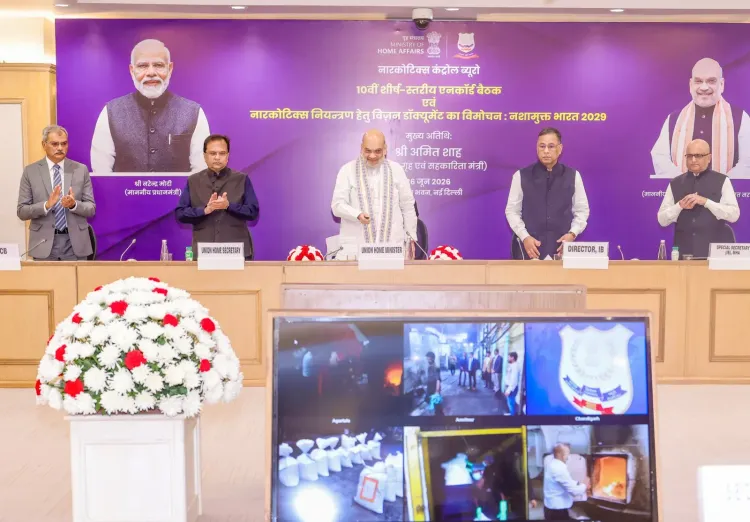
Union Home Minister Amit Shah launched an online Drugs Disposal Fortnight Campaign at the 10th NCORD apex meeting in New Delhi on June 26, targeting destruction of 2,09,500 kg of narcotics worth over ₹6,000 crore. He also inaugurated NCB zonal offices in Guwahati and Jammu.
Key Takeaways
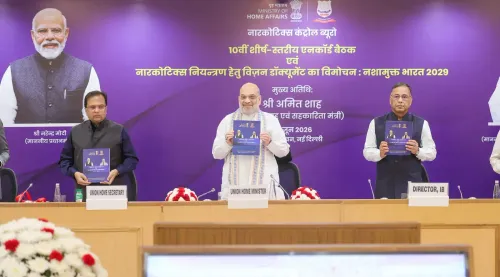
Union Home Minister Amit Shah chaired the 10th Apex-Level NCORD Meeting in New Delhi on June 26, 2026 .
An online Drugs Disposal Fortnight Campaign was launched with a target to destroy 2,09,500 kg of seized narcotics.
The narcotics slated for destruction are valued at over ₹6,000 crore .
The NCB's new zonal office in Guwahati was inaugurated, strengthening enforcement in the Northeast corridor.
A new NCB office building in Jammu was also inaugurated, expanding infrastructure in Jammu and Kashmir.
The campaign operates under the NDPS Act, 1985 framework for regulated disposal of seized narcotic substances.
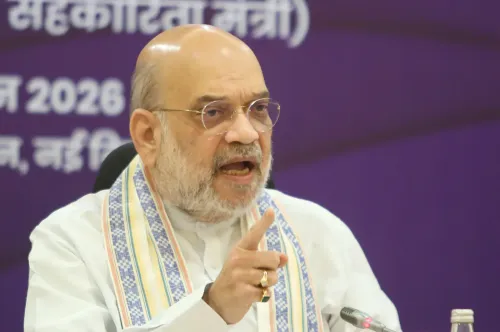
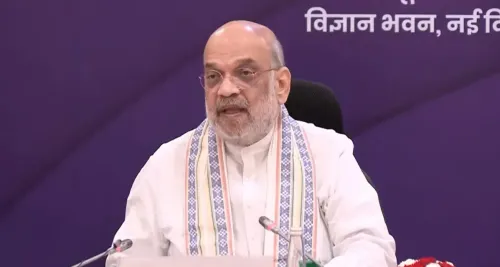
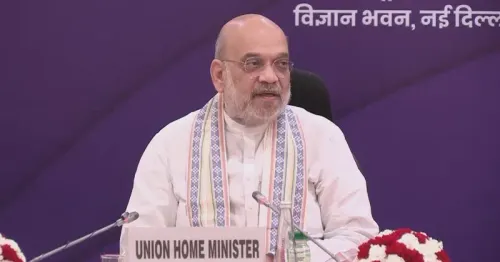
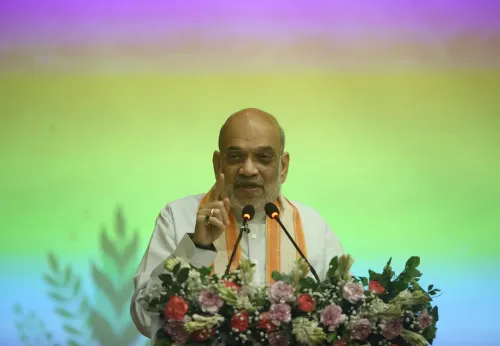
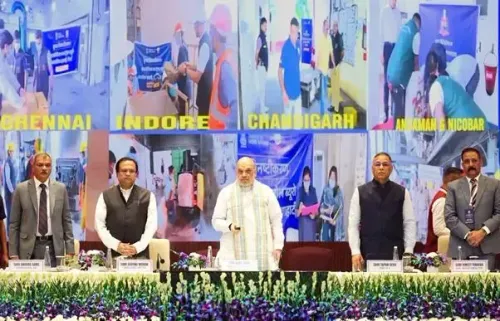
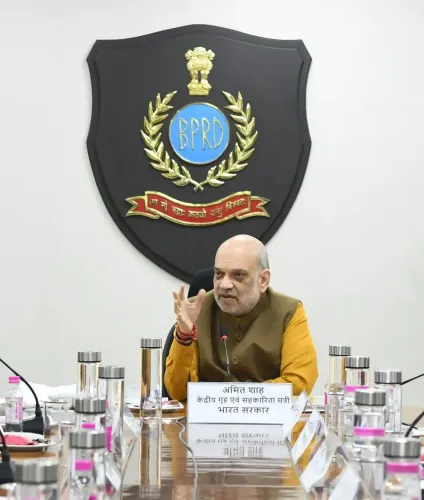
Union Home Minister Amit Shah on Friday, June 26, 2026, chaired the 10th Apex-Level Meeting of NCORD in New Delhi, where he launched an online Drugs Disposal Fortnight Campaign targeting the destruction of 2,09,500 kilograms of narcotic substances. The seized drugs, valued at over ₹6,000 crore, are to be destroyed as part of a coordinated national enforcement drive. Shah also inaugurated the Narcotics Control Bureau's (NCB) new zonal office in Guwahati and a new office building in Jammu.
Context
The National Coordination Committee on Drugs (NCORD) serves as the apex inter-agency mechanism for narcotics control in India, chaired by the Union Home Minister. Its meetings bring together central and state enforcement agencies to align strategy on drug trafficking, seizures, and disposal. The 10th meeting marks a decade of structured apex-level coordination under this framework.
Shah announced the campaign as part of a broader push to clear backlogs of seized contraband and demonstrate enforcement momentum. The Drugs Disposal Fortnight sets a specific, time-bound target — destruction of narcotics worth over ₹6,000 crore — signalling an operational rather than merely symbolic intent.
Policy Backdrop
India's drug enforcement architecture rests on the Narcotic Drugs and Psychotropic Substances (NDPS) Act, 1985, which mandates regulated disposal of seized substances. The NCB, constituted in March 1986, is the nodal agency responsible for coordinating enforcement across state and central bodies.
Periodic destruction of seized narcotics is a statutory requirement under the NDPS framework, but large-scale, nationally coordinated disposal campaigns of this scale reflect a deliberate policy choice to accelerate the process. The online format of this campaign is designed to ensure transparency and real-time monitoring across disposal sites nationwide.
Stakeholders and Impact
The inauguration of the NCB zonal office in Guwahati is particularly significant for the Northeast region, which has long been identified as a vulnerable corridor for synthetic drug trafficking, including heroin and methamphetamine, owing to its proximity to the Golden Triangle. A dedicated zonal presence strengthens the bureau's operational reach in a geographically complex area.
Similarly, the new NCB office building in Jammu addresses longstanding infrastructure gaps in Jammu and Kashmir, a region exposed to cross-border narcotic smuggling. Both expansions reflect the government's stated priority of hardening enforcement infrastructure at pressure points. Border communities, local law enforcement, and drug rehabilitation networks stand to benefit from enhanced NCB coordination in both regions.
What's Next
The Drugs Disposal Fortnight Campaign will run over a defined two-week window, with outcomes expected to be reported through NCB's monitoring systems. Parliament sessions and official NCB bulletins are the likely venues for disclosure of final destruction figures and compliance rates across states.
Further expansion of NCB's zonal and sub-zonal office network — particularly in states with high seizure rates — may follow as the bureau scales its operational footprint. The NCORD framework is also expected to continue pushing for tighter state-level integration, a recurring theme in successive apex-level meetings.
Point of View
With real-time data available for scrutiny. The simultaneous inauguration of NCB offices in Guwahati and Jammu is consistent with a broader pattern of hardening enforcement infrastructure at India's most porous border zones, reflecting both security imperatives and electoral messaging in sensitive regions. Together, these moves suggest a coordinated push to present drug enforcement as a governance deliverable, not merely a law-and-order function.
NationPress
26 Jun 2026
Frequently Asked Questions
What is the Drugs Disposal Fortnight Campaign launched by Amit Shah?
The Drugs Disposal Fortnight Campaign is a time-bound, online initiative launched by Union Home Minister Amit Shah at the 10th NCORD meeting on June 26, 2026, targeting the destruction of 2,09,500 kg of seized narcotic substances worth over ₹6,000 crore across India.
What is NCORD and who chairs it?
NCORD, or the National Coordination Committee on Drugs, is India's apex inter-agency mechanism for narcotics control. It is chaired by the Union Home Minister and brings together central and state enforcement bodies to coordinate anti-drug strategy.
Why was a new NCB zonal office opened in Guwahati?
The NCB's new zonal office in Guwahati strengthens enforcement capacity in India's Northeast, a region known for vulnerability to synthetic drug trafficking due to its proximity to the Golden Triangle and porous international borders.
What is the NDPS Act and how does it relate to drug disposal?
The Narcotic Drugs and Psychotropic Substances Act, 1985, is India's primary legislation governing drug offences. It mandates the regulated disposal of seized narcotic substances, providing the legal framework under which campaigns like the Drugs Disposal Fortnight operate.
What is the Narcotics Control Bureau (NCB)?
The Narcotics Control Bureau is India's central law enforcement agency for drug trafficking, established in March 1986 under the NDPS Act. It operates zonal offices across the country and serves as the nodal body for coordinating narcotics enforcement.