Amit Shah lays foundation for ₹1,500 cr Ambabai Temple revamp
Synopsis
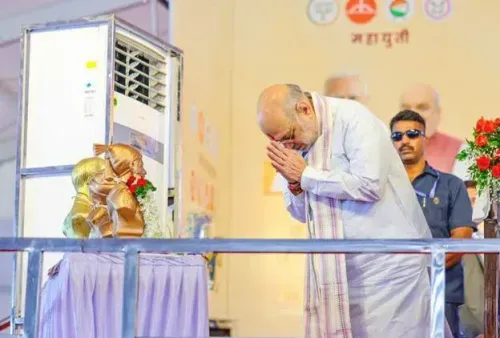
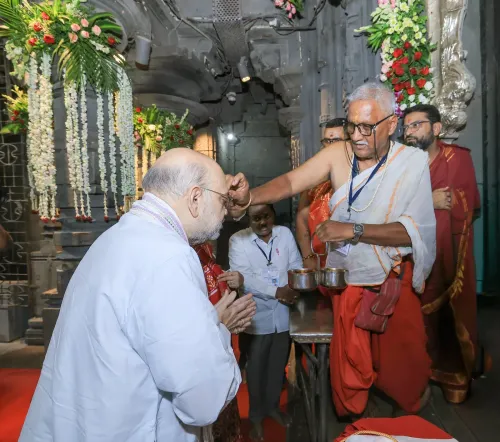
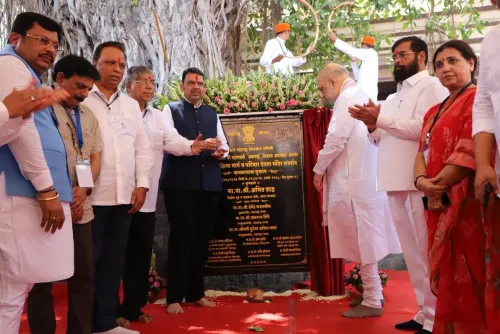
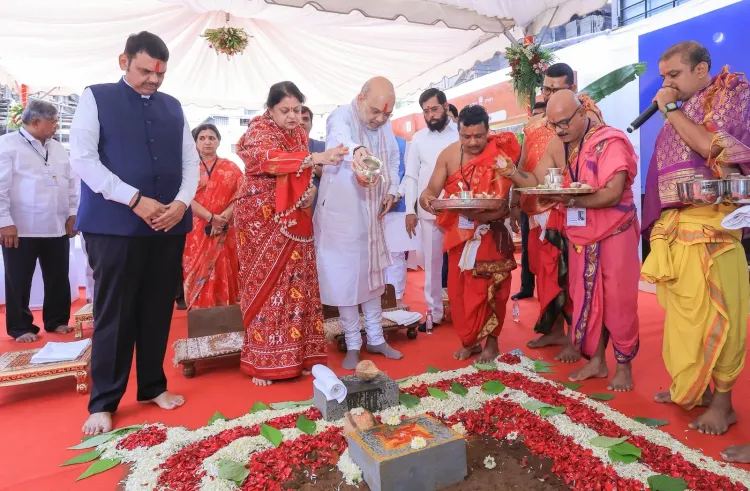
Union Home Minister Amit Shah on June 20, 2026, laid the foundation stone for a ₹1,500 crore modernisation and beautification project at the Ambabai Temple in Kolhapur — one of the 52 Shakti Peethas — promising improved pilgrim facilities and renewed momentum for cultural heritage preservation.
Key Takeaways
Amit Shah laid the foundation stone for the Ambabai Temple modernisation project on June 20, 2026 , in Kolhapur, Maharashtra .
The project carries an outlay of ₹1,500 crore and covers modernisation and beautification of the temple complex.
The Ambabai (Mahalakshmi) Temple is one of the 52 Shakti Peethas and a major Hindu pilgrimage site.
The initiative is expected to enhance pilgrim facilities and promote preservation of the site's rich cultural and architectural heritage.
The project follows a national pattern of large-scale religious-site corridor projects at Kashi Vishwanath and Kedarnath .
Implementation timelines, fund-routing details and future project phases remain to be announced.
Union Home Minister Amit Shah on Saturday, June 20, 2026, laid the foundation stone for the modernisation and beautification of the Ambabai Temple complex in Kolhapur, Maharashtra, at an outlay of ₹1,500 crore. The project aims to upgrade pilgrim facilities and preserve the cultural heritage of one of India's most revered Shakti Peethas.
Posting in both Hindi and Marathi on X, Shah described the Ambabai Temple as '52 शक्तिपीठों में से एक' (one of the 52 Shakti Peethas) and called it 'an unparalleled symbol of Indian faith, culture and architecture.' He said the ₹1,500 crore project would enhance conveniences for devotees and give 'new momentum to the preservation and promotion of our rich cultural heritage.'
Context
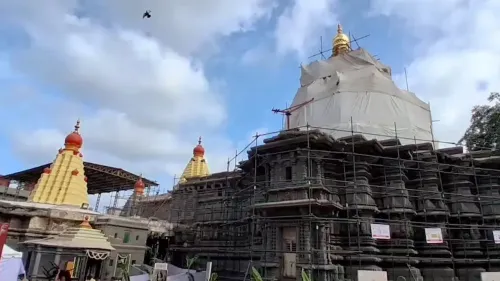
The Ambabai Temple, also known as the Mahalakshmi Temple, is situated in the heart of Kolhapur, a historic city in western Maharashtra. As one of the 52 Shakti Peethas — sacred sites in the Hindu tradition associated with the goddess Shakti — it draws millions of pilgrims annually from across India and the diaspora. The temple is celebrated not only for its religious significance but also for its distinctive Hemadpanthi architectural style dating back several centuries.
Policy Backdrop
The foundation-laying fits within a broader pattern of central and state government investment in the infrastructure of major pilgrimage sites. The PRASHAD scheme, launched in 2014-15 by the Ministry of Tourism, was among the first structured frameworks for developing amenities at identified pilgrimage destinations across India. Large-scale corridor and beautification projects have since been executed at sites including the Kashi Vishwanath Temple in Varanasi and the Kedarnath shrine in Uttarakhand, establishing a template that the Ambabai project appears to follow. The ₹1,500 crore outlay, if confirmed in project documents, would place this among the more significant single-site religious infrastructure investments in Maharashtra's recent history.
Stakeholders and Impact
The primary beneficiaries of the modernisation will be the lakhs of pilgrims who visit Kolhapur each year, with planned improvements expected to ease crowd management, sanitation, accessibility and overall visitor experience within the temple complex. Local traders, hospitality businesses and the broader Kolhapur economy stand to gain from increased footfall if the project stimulates religious tourism. Cultural heritage bodies and conservation advocates will watch closely to ensure that modernisation does not compromise the temple's centuries-old architectural fabric.
What's Next
Attention will now shift to the release of detailed project plans, implementation timelines and procurement processes. Observers will track whether the ₹1,500 crore allocation is routed through central schemes, state budgets or a combination of both, and how fund utilisation is monitored. Any subsequent phases — such as approach-road development, a pilgrim township or a heritage museum — announced in future state or central budgets will indicate the long-term ambition of the project. The Ambabai corridor could become a benchmark for similar initiatives at other Shakti Peethas across the country.
Point of View
500 crore scale positions this project alongside the Kashi Vishwanath and Kedarnath corridors as part of a deliberate cultural-heritage branding exercise. Shah's choice to post in both Hindi and Marathi underscores an effort to speak directly to Maharashtra's regional identity while reinforcing the broader Hindutva cultural narrative. How the project balances heritage conservation with modernisation — and how funds are tracked — will determine whether it earns lasting public goodwill beyond the optics of the foundation-laying.
NationPress
21 Jun 2026
Frequently Asked Questions
What is the Ambabai Temple in Kolhapur?
The Ambabai Temple, also called the Mahalakshmi Temple, is located in Kolhapur, Maharashtra, and is one of the 52 Shakti Peethas — sacred Hindu pilgrimage sites dedicated to the goddess Shakti. It is renowned for its ancient Hemadpanthi architecture and draws millions of devotees every year.
What is the ₹1,500 crore Ambabai Temple project about?
The ₹1,500 crore project involves the modernisation and beautification of the Ambabai Temple complex in Kolhapur. Its foundation stone was laid by Union Home Minister Amit Shah on June 20, 2026, with the aim of improving pilgrim facilities and preserving the site's cultural heritage.
Who laid the foundation stone of the Ambabai Temple modernisation project?
Union Home Minister Amit Shah laid the foundation stone of the Ambabai Temple modernisation and beautification project on June 20, 2026, in Kolhapur, Maharashtra.
What is the PRASHAD scheme and is it linked to the Ambabai project?
The PRASHAD scheme was launched in 2014-15 by the Ministry of Tourism to develop infrastructure and amenities at pilgrimage sites across India. While the Ambabai Temple project fits within this broader policy framework of pilgrimage-site development, the specific funding source for the ₹1,500 crore outlay is yet to be officially detailed.
Which other temples have seen similar corridor or beautification projects in India?
Large-scale modernisation and corridor projects have been executed at the Kashi Vishwanath Temple in Varanasi and the Kedarnath shrine in Uttarakhand, among others. The Ambabai Temple project in Kolhapur follows a similar model of government-funded religious-site redevelopment.