Oil Pollution Response course held in Andaman Islands for coast guard, agencies
Synopsis
The Andaman and Nicobar Islands — flanking the Strait of Malacca, one of the world's busiest shipping lanes — just ran a six-day oil spill and hazardous substances response drill involving the Coast Guard, police, forest department, and disaster management teams. For a region where a single unchecked spill could devastate fragile marine ecosystems, this kind of inter-agency preparedness isn't routine box-ticking — it's an ecological safeguard.
Key Takeaways
A six-day OPRC Level 1 and HNS Introductory Course was organised by the Pollution Response Team of Sri Vijaya Puram in the Andaman and Nicobar Islands .
Participants included Indian Coast Guard , Andaman and Nicobar Command (ANC) , police, forest, fire, shipping, and disaster management personnel.
The Andaman Islands lie close to the Strait of Malacca , through which a large share of global seaborne cargo passes, making pollution response capacity critical.
Training is mandated under the OPRC Convention 1990 and the OPRC-HNS Protocol 2000 , with courses developed by the International Maritime Organisation (IMO) .
The Andaman and Nicobar Command said the course enhanced 'operational skills, preparedness, teamwork and seamless inter-agency coordination'.
A six-day Oil Pollution Response (OPR) and Hazardous and Noxious Substances (HNS) training course was organised by the Pollution Response Team of Sri Vijaya Puram (formerly Port Blair) in the Andaman and Nicobar Islands, bringing together personnel from multiple agencies to strengthen marine pollution preparedness in one of India's most ecologically sensitive regions.
Who Attended and What Was Covered
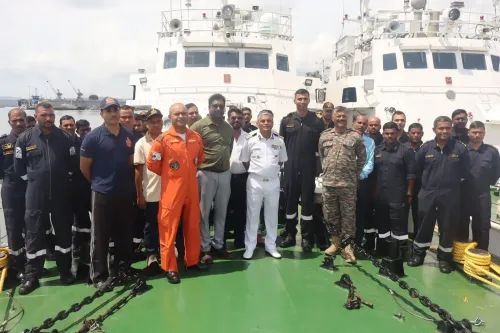
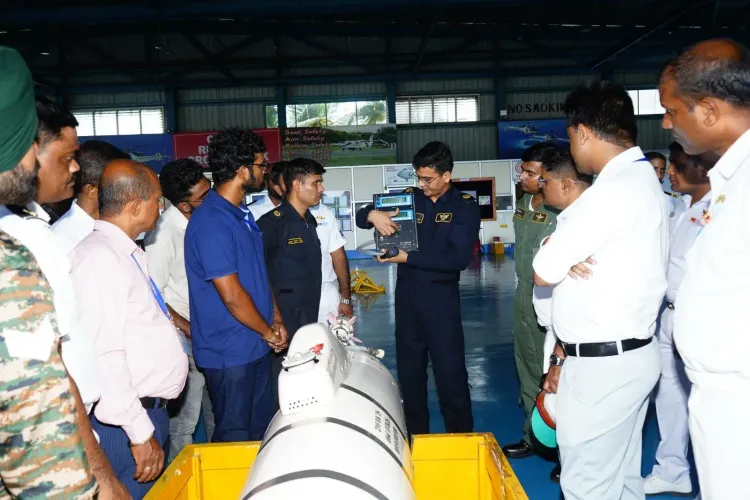
The course — structured as an OPRC Level 1 and HNS Introductory Course — was attended by Indian Coast Guard personnel alongside representatives from the Andaman and Nicobar Command (ANC), Andaman and Nicobar Police, Police Marine Force, Forest Department, Fire Services Department, Directorate of Shipping Services, and the Directorate of Disaster Management. The multi-agency participation was deliberate — a marine pollution incident in these waters would demand coordinated response across all these departments simultaneously.
Why the Andamans Demand Special Preparedness
The Andaman and Nicobar Islands sit at a critical maritime crossroads, positioned close to the Strait of Malacca — one of the world's busiest shipping corridors, through which a substantial share of global seaborne cargo transits. The islands are also serviced by ships and ferries, making any unchecked oil spill a direct threat to their fragile marine biodiversity. The region's ecological sensitivity makes pollution response capacity not just a regulatory requirement but an environmental imperative.
The International Framework Behind the Training
The course draws its mandate from the OPRC Convention of 1990, which requires governments to establish structured exercises and training programmes for oil pollution response organisations. The International Maritime Organisation (IMO) subsequently developed the OPRC Model Courses — a comprehensive suite designed by an international panel of government and industry experts — covering all aspects of oil spill planning, response, and management. These courses are structured across four competency levels; Level 1 is intended for first responders. The OPRC-HNS Protocol 2000 further extended this framework to cover incidents involving hazardous and noxious substances, with the IMO developing two dedicated model training courses for HNS preparedness and response.
What the Andaman and Nicobar Command Said
'Through hands-on training in Oil Spill Response and HNS spill management, the course enhanced operational skills, preparedness, teamwork and seamless inter-agency coordination, enabling a swift and effective response to marine pollution incidents and helping keep our seas clean and safe,' the Andaman and Nicobar Command said in a post on X.
Significance and What Comes Next
The IMO has noted that these courses, when properly linked to a country's national contingency plan, can be used to train staff responsible for managing an effective response to a marine oil spill. For the Andaman Islands, where a single major spill could devastate coral reefs and coastal livelihoods, regular inter-agency drills of this kind are essential. Continued training cycles aligned with national contingency frameworks will determine how well the region can translate preparedness into effective real-world response.
Point of View
Not occasional, yet inter-agency drills of this kind are rarely publicised with any regularity. The multi-department participation is a positive signal, but without a published national contingency plan linkage and a fixed training calendar, one-off courses risk remaining exactly that. India's eastern maritime frontier deserves a standing pollution response capacity, not episodic readiness.
NationPress
9 Oct 2026
Frequently Asked Questions
What was the Oil Pollution Response course held in the Andaman Islands?
It was a six-day OPRC Level 1 and HNS Introductory Course organised by the Pollution Response Team of Sri Vijaya Puram, training Coast Guard and multi-agency personnel in marine oil spill and hazardous substance response. The course follows the IMO's OPRC Model Course framework, which is mandated under the OPRC Convention of 1990.
Who attended the OPRC course in the Andaman and Nicobar Islands?
Attendees included Indian Coast Guard personnel and representatives from the Andaman and Nicobar Command, Andaman and Nicobar Police, Police Marine Force, Forest Department, Fire Services Department, Directorate of Shipping Services, and the Directorate of Disaster Management.
Why is oil pollution response training especially important for the Andaman Islands?
The Andaman and Nicobar Islands are located close to the Strait of Malacca, one of the world's busiest shipping lanes, and are also served by ships and ferries. The region is ecologically sensitive, and any unchecked oil spill could cause severe damage to marine life and biodiversity.
What is the OPRC Convention and why does it matter?
The OPRC Convention of 1990 mandates governments to establish training programmes and exercises for oil pollution response organisations. It led the International Maritime Organisation to develop the OPRC Model Courses, covering all aspects of oil spill planning, response, and management across four competency levels.
What does the OPRC-HNS Protocol 2000 cover?
The OPRC-HNS Protocol 2000 extends the original OPRC framework to incidents involving hazardous and noxious substances (HNS). It requires governments to train relevant personnel and conduct exercises, and the IMO developed two dedicated model courses to support preparedness and response to marine HNS incidents.