Indian Coast Guard MSAR drill in Andaman amid ISRO cyclone alert for 2026
Synopsis
With ISRO warning of three high-intensity cyclones packing up to 83% more cumulative energy than a 44-year average, the Indian Coast Guard's two-day MSAR drill in the Andaman and Nicobar Islands was no routine exercise — it was the opening move in what could be India's most intense post-monsoon cyclone response in decades.
Key Takeaways
The Indian Coast Guard completed a two-day MSAR exercise at Sri Vijaya Puram , Andaman and Nicobar Islands, on 13 September 2026 .
ISRO has forecast three high-intensity tropical cyclones in the North Indian Ocean between October and December 2026 .
The forecast cyclone season could be 83 per cent stronger than the 44-year historical average , according to ISRO's modelling.
ISRO researchers analysed 40 years of oceanographic and atmospheric data to generate the forecast.
Participating agencies included the Indian Army , Indian Air Force , Meteorological Department , Police Marine Force , and multiple civil departments.
The Andaman archipelago's position on critical global sea lanes amplifies the strategic urgency of the preparedness drill.
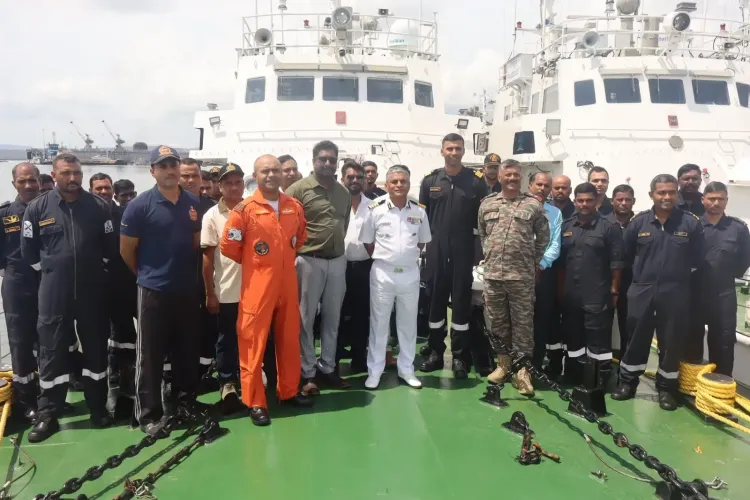
The Indian Coast Guard (ICG) conducted a two-day Maritime Search and Rescue (MSAR) exercise at Sri Vijaya Puram (formerly Port Blair) in the Andaman and Nicobar Islands, bringing together defence forces and civil agencies to rehearse emergency response ahead of a forecast cyclone season that scientists warn could be historically severe.
What the Exercise Covered
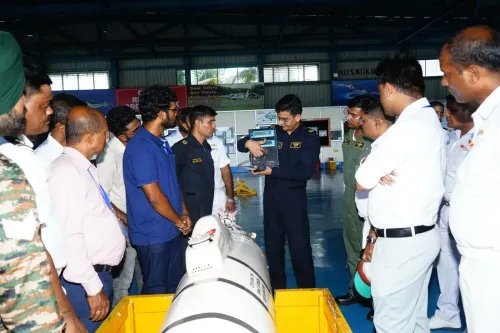
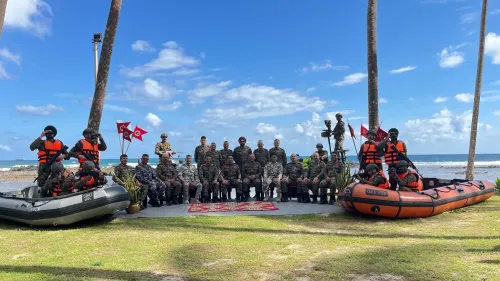
The drill united all critical stakeholders — the Indian Army, Indian Air Force, Directorate of Shipping Services, Meteorological Department, Forest, Fisheries and Revenue Departments, and the Police Marine Force. Activities over the two days included a Tabletop Exercise and live practical demonstrations designed to sharpen inter-agency coordination and stress-test response protocols.
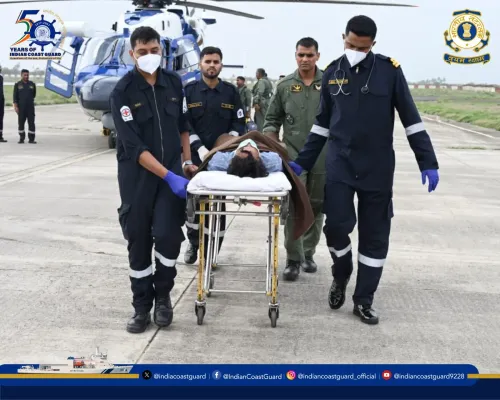
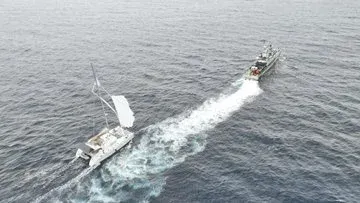
'All aspects of Maritime Search and Rescue were discussed and practiced during the exercise. Ships, helicopters and small rescue vessels participated. Rescue teams were part of realistic mock drills,' an official of the Andaman and Nicobar Command said. The initiative, the Command added, 'reaffirmed the collective commitment to maritime safety, search and rescue preparedness.'
The ISRO Warning That Triggered Urgency
The timing of the exercise is directly tied to a stark forecast from the Indian Space Research Organisation (ISRO), whose scientists have warned of three high-intensity tropical cyclones in the North Indian Ocean between October and December 2026. ISRO's predictive modelling suggests the post-monsoon cyclone season this year could carry up to 83 per cent more cumulative strength than the 44-year historical average — a figure that has raised alarms among disaster management authorities along both the eastern and western seaboards.
Researchers evaluated 40 years of historical oceanographic and atmospheric data, mapping global climate parameters recorded between January and August to construct the late-year forecast. The agency has indicated that the energy generated by these systems is likely to produce an abnormally turbulent oceanic environment following the summer monsoon retreat.
Why the Andaman and Nicobar Islands Are at the Centre
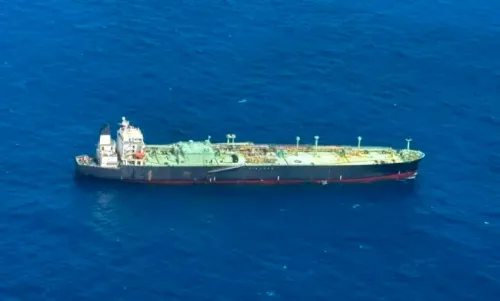
The archipelago sits astride some of the world's most heavily trafficked sea lanes, through which a significant volume of global cargo passes. The inhabited islands are connected to each other and to the mainland by ships and ferries — vessels that could be severely disrupted or endangered by intense cyclonic conditions. The islands' geographical exposure makes early preparedness drills not merely precautionary but operationally essential.
Broader National Response
Agencies across the country are already recalibrating emergency response strategies to safeguard vulnerable coastal populations and protect maritime assets. The ISRO warning provides what officials describe as 'critical lead time' for state governments and coastal administrators to pre-position resources and coordinate evacuation logistics well before the peak threat window opens in October.
With the cyclone season now weeks away, the pace and scale of inter-agency exercises like the one in Sri Vijaya Puram are expected to intensify across India's entire coastline.
Point of View
But two days of tabletop and mock exercises will mean little if the supply chains for emergency relief, vessel evacuation protocols, and inter-island communication systems are not stress-tested at scale before October. The archipelago's dual exposure — as a strategic maritime chokepoint and a cluster of ferry-dependent inhabited islands — makes it among the most vulnerable coastal geographies in the country. The question is not whether the Coast Guard can respond, but whether the civilian preparedness infrastructure around it can keep pace with a threat this unusual.
NationPress
14 Sept 2026
Frequently Asked Questions
What was the Indian Coast Guard MSAR exercise in Andaman and Nicobar about?
The Indian Coast Guard conducted a two-day Maritime Search and Rescue (MSAR) exercise at Sri Vijaya Puram (formerly Port Blair) to enhance inter-agency coordination and rehearse emergency response protocols. Ships, helicopters, and small rescue vessels participated alongside teams from the Indian Army, Indian Air Force, and several civil departments.
What cyclone warning has ISRO issued for 2026?
ISRO scientists have warned of three high-intensity tropical cyclones in the North Indian Ocean between October and December 2026, with cumulative strength forecast to be up to 83% above the 44-year historical average. The agency based its prediction on 40 years of oceanographic and atmospheric data.
Why are the Andaman and Nicobar Islands particularly at risk from cyclones?
The islands lie along major global shipping lanes and are connected to each other and the mainland primarily by ships and ferries, which are vulnerable to severe cyclonic weather. Their remote location and dependence on sea transport make preparedness especially critical.
Which agencies participated in the Coast Guard drill?
Participants included the Indian Army, Indian Air Force, Directorate of Shipping Services, Meteorological Department, Forest, Fisheries and Revenue Departments, and the Police Marine Force. The exercise was coordinated under the Andaman and Nicobar Command.
How much lead time does ISRO's forecast give for disaster preparation?
ISRO's forecast — mapping climate parameters from January to August to project the October–December window — provides several weeks of advance warning for state governments and coastal administrators to pre-position resources and refine evacuation plans before the peak cyclone threat period begins.